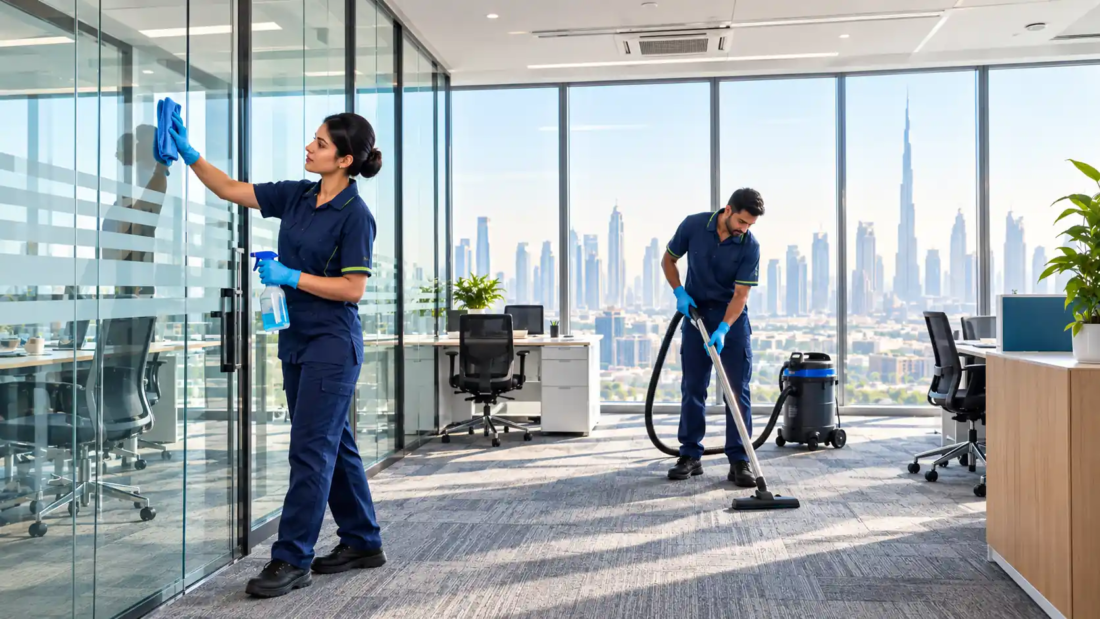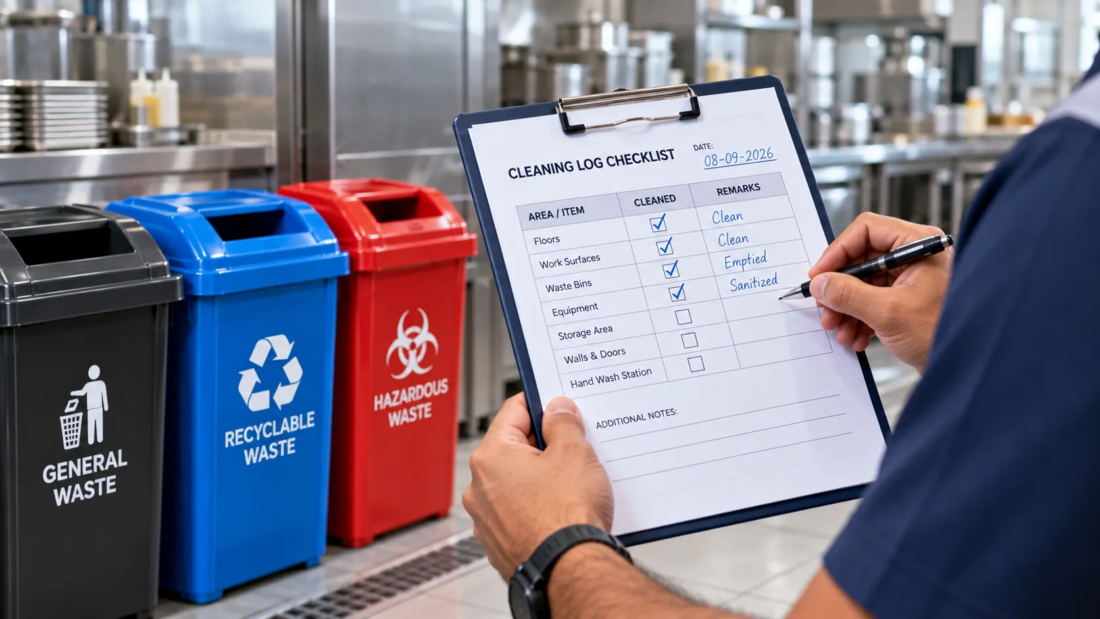

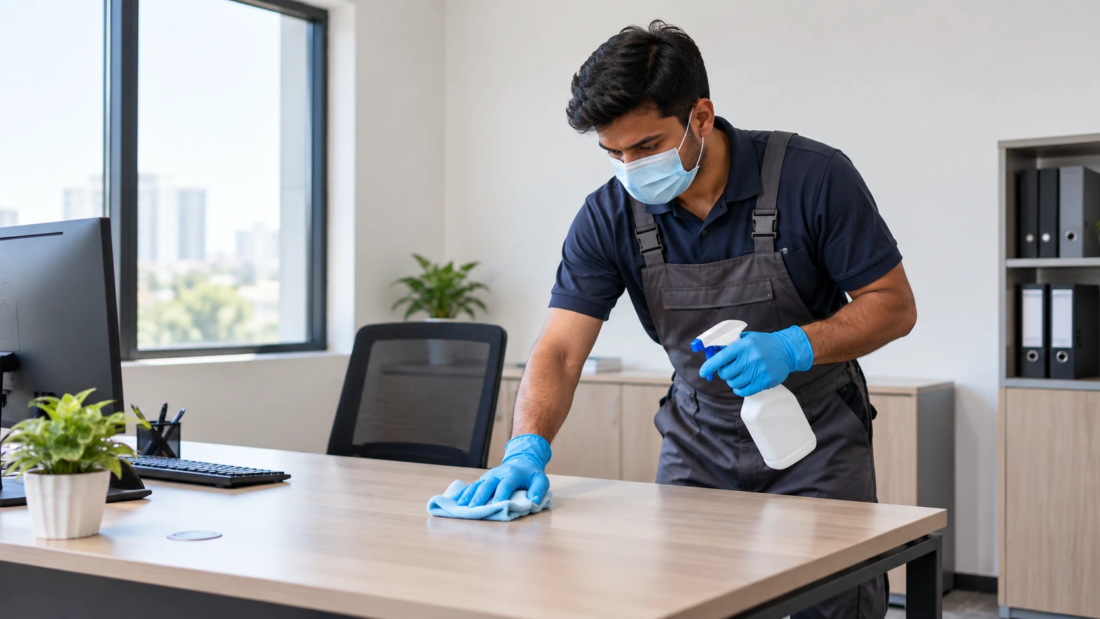
sanitization vs disinfection worker cleaning office surface

Sanitization vs Disinfection: 7 Critical Differences Explained

Sanitization vs disinfection is a distinction many business owners assume is just a matter of wording but treating them as interchangeable can leave real gaps in your hygiene program. Both processes reduce germs, but they target different levels of contamination, use different products, and are appropriate in different situations. Getting this wrong doesn’t just mean a technicality; it can mean a workplace that looks clean on the surface while still carrying real infection risks.

For offices, restaurants, clinics, and any business handling shared spaces or food, understanding sanitization vs disinfection is the first step toward building a hygiene plan that actually protects staff and customers, rather than just appearing thorough.

What Sanitization Actually Means

Sanitization is the “lighter” side of the sanitization vs disinfection equation. It reduces the number of germs, bacteria, and other microorganisms on a surface to a level considered safe by public health standards. It doesn’t necessarily kill every organism it lowers the overall microbial count enough to reduce the risk of illness.

Sanitization is commonly used for:

  • Food preparation surfaces and utensils
  • General office desks, countertops, and shared equipment
  • High-touch surfaces during routine daily cleaning

What Disinfection Actually Means

Disinfection is the more rigorous half of sanitization vs disinfection. It uses chemical agents specifically designed to kill or inactivate a much broader range of pathogens, including bacteria, viruses, and fungi, on hard, non-porous surfaces. Disinfection doesn’t just lower germ counts it targets elimination of specific harmful organisms.

Disinfection is typically used for:

  • Healthcare and clinical settings
  • Restrooms and areas with higher contamination risk
  • Surfaces following illness outbreaks or known exposure events
  • Facilities that require compliance with strict health and safety standards

Sanitization vs Disinfection: 7 Key Differences

Level of Germ Reduction

Sanitization lowers microbial presence to a generally safe level. Disinfection aims to kill a specific, broader range of pathogens, including many the sanitization process wouldn’t fully address.

Products and Chemicals Used

Sanitizing agents are typically milder, food-safe formulations. Disinfectants use stronger, EPA-registered chemical compounds designed to kill specific viruses and bacteria, and often require longer contact time to work effectively.

Surfaces and Applications

Sanitization is common on food-contact surfaces where product residue must remain minimal. Disinfection is generally reserved for non-food, high-risk surfaces like restroom fixtures, door handles, and medical equipment.

Frequency of Use

Sanitization is often part of routine daily cleaning. Disinfection is typically applied more selectively targeting high-risk zones, or in response to a specific health concern rather than as a blanket daily process everywhere.

Regulatory and Compliance Requirements

Certain industries healthcare, food service, childcare have specific regulatory requirements dictating when disinfection (not just sanitization) is mandatory, particularly around infection control standards.

Contact Time Requirements

Disinfectants generally require the surface to remain wet for a specified contact time to be effective, whereas sanitizing products often act more quickly, since they aren’t targeting complete pathogen elimination.

Cost and Resource Considerations

Disinfection is generally more resource-intensive requiring stronger chemicals, longer application time, and often more careful staff training making it appropriate for targeted use rather than blanket application across every surface in a facility.

Why the Sanitization vs Disinfection Distinction Matters for Your Business

Getting this wrong in either direction creates real risk:

  • Under-treating high-risk areas by only sanitizing restrooms or medical surfaces leaves harmful pathogens behind
  • Over-disinfecting food-contact surfaces can leave chemical residue that isn’t appropriate for areas where food is prepared
  • Compliance failures can occur if regulated industries use sanitization where disinfection is legally required
  • Wasted resources happen when businesses apply disinfection-level treatment everywhere, when routine sanitization would be sufficient and more cost-effective

Which Does Your Business Actually Need?

Most businesses benefit from a combined approach to sanitization vs disinfection rather than choosing one over the other:

  • Restaurants and food businesses: sanitization for prep surfaces and utensils, disinfection for restrooms and high-touch areas
  • Offices: routine sanitization of desks and shared equipment, with targeted disinfection during flu season or after a reported illness
  • Healthcare and clinics: disinfection as the standard for most surfaces, given the higher risk of pathogen transmission
  • Retail and hospitality: sanitization for general upkeep, disinfection for restrooms, fitting rooms, and other high-contact zones

A professional sanitization and disinfection provider can assess your specific business type and recommend the right balance rather than applying a one-size-fits-all approach.

Choosing the Right Service Provider

When comparing sanitization vs disinfection providers for your business, look for a company that can clearly explain:

  • Which specific products and methods are used for each service type
  • Whether their disinfectants are approved for the surfaces in your facility
  • How they determine which areas need disinfection versus routine sanitization
  • Documentation suitable for health inspections, particularly in food service or healthcare settings

Enron’s professional disinfection services are built around exactly this kind of tailored assessment, rather than treating every surface the same way.

The Bottom Line

Sanitization vs disinfection isn’t just a matter of terminology it determines whether your business is actually managing the specific hygiene risks it faces, or just going through the motions. Sanitization keeps everyday surfaces at a safe baseline, while disinfection targets serious pathogen risks in higher-stakes areas. Most businesses need both, applied strategically rather than interchangeably. For more detail on how public health bodies define these processes, the WHO’s infection prevention and control guidance outlines the broader principles behind both practices.

If your current cleaning routine doesn’t distinguish between the two, it’s worth reviewing which areas of your business actually need disinfection-level treatment versus routine sanitization.

FAQ

Is disinfection always better than sanitization?

Not necessarily. Disinfection is more effective against a broader range of pathogens, but it’s not always appropriate for example, on food-contact surfaces where chemical residue needs to stay minimal. The right choice depends on the surface and risk level.

Can one product do both sanitization and disinfection?

Some products are labeled for both uses depending on the concentration and contact time applied, but they must be used according to label instructions for each specific purpose using a sanitizer at disinfectant strength (or vice versa) can be ineffective or unsafe.

How often should a business disinfect versus sanitize?

Sanitization is typically part of routine daily cleaning, while disinfection is applied more selectively in high-risk areas, during illness outbreaks, or where regulations specifically require it.

Does my industry require disinfection by law?

Certain industries, particularly healthcare, food service, and childcare, often have specific regulatory requirements around disinfection. It’s worth confirming local requirements with a licensed provider familiar with your sector.

What’s the risk of using sanitization when disinfection is needed?

Sanitization reduces germ counts but doesn’t eliminate the broader range of pathogens disinfection targets, which means using sanitization alone in high-risk settings can leave harmful bacteria or viruses behind.

Enron provides Dubai Municipality-licensed sanitization and disinfection services for offices, restaurants, and commercial spaces across Dubai. Contact us to build a hygiene plan tailored to your business.
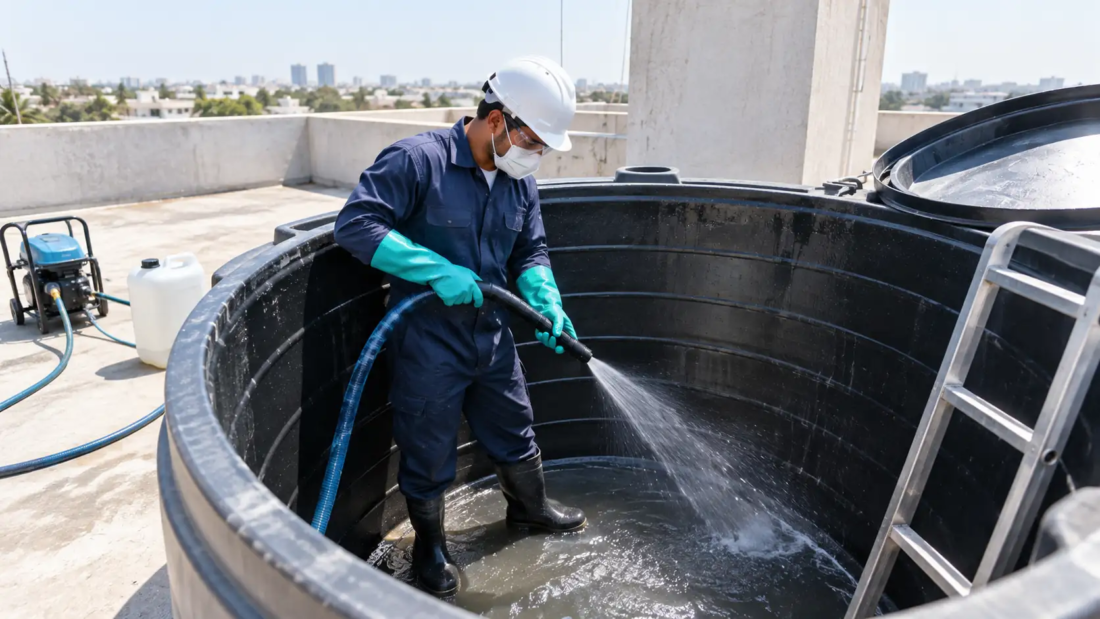
water tank cleaning Dubai technician rooftop tank

7 Health Risks of Contaminated Tanks

Water tank cleaning Dubai households and buildings need is often overlooked simply because the tank is out of sight usually sitting on a rooftop or buried underground, far from daily attention. But that same water passes through your taps, shower, and kitchen sink every single day. When a tank goes uncleaned for too long, it stops being a safe storage container and starts becoming a breeding ground for bacteria, algae, and sediment that put your family’s health directly at risk.

Dubai’s heat accelerates this process. High rooftop temperatures encourage bacterial growth and algae formation inside tanks far faster than in cooler climates, which is why local authorities recommend far more frequent cleaning than many residents realize.

Why Water Tank Cleaning Dubai Homes Need Is Different From Other Climates

Storage tanks in Dubai face conditions that speed up contamination:

  • Intense heat raises water temperature inside rooftop tanks, creating ideal conditions for bacterial growth
  • Sunlight exposure on poorly sealed tanks encourages algae growth inside
  • Sand and dust can enter tanks through damaged lids or vents, introducing sediment and contaminants
  • Long idle periods, common in vacation homes or seasonal properties, allow stagnant water to become a health hazard

Bacterial Contamination and Waterborne Illness

Skipping water tank cleaning Dubai authorities recommend allows bacteria such as E. coli and other pathogens to build up inside the tank, leading to gastrointestinal illness. Symptoms can range from mild stomach upset to more serious infections, particularly for children, elderly residents, or anyone with a weakened immune system.

Sediment Buildup Affecting Water Quality

Without regular water tank cleaning, dust, rust, and mineral deposits settle at the bottom of storage tanks over time. This sediment can discolor water, give it an unpleasant taste or odor, and in some cases clog pipes and fixtures connected to the tank.

Algae Growth in Poorly Sealed Tanks

Tanks exposed to sunlight, even indirectly, can develop algae growth on interior walls when water tank cleaning Dubai property owners schedule is delayed too long. This not only affects water clarity and smell but also creates a food source for bacteria, compounding contamination risks.

Legionella and Respiratory Risks

Stagnant, warm water is a known risk factor for Legionella bacteria, which can cause a severe form of pneumonia when contaminated water is aerosolized for example, through showerheads. This is exactly the kind of risk consistent water tank cleaning Dubai households need is designed to prevent.

Pest and Insect Contamination

Damaged tank lids, vents, or seals can allow insects, rodents, or other pests to enter storage tanks. Beyond the obvious hygiene concern, pest activity introduces additional bacteria and organic contaminants into the water supply another reason routine water tank cleaning matters, not just visible dirt.

Weakened Immunity From Long-Term Low-Level Exposure

Even when contamination isn’t severe enough to cause immediate illness, ongoing low-level exposure to bacteria and sediment in drinking water can contribute to digestive issues and weakened resistance over time, particularly in young children. This is one of the quieter reasons water tank cleaning Dubai families rely on shouldn’t be postponed.

Compliance and Property Value Risks

Beyond health, contaminated water tanks can create compliance issues for landlords and property managers, and can affect resale or rental value if water quality problems become known to tenants or buyers. Documented, regular water tank cleaning Dubai landlords can show tenants also helps avoid disputes over water quality.

How Often Should Water Tank Cleaning Dubai Properties Get?

Dubai Municipality guidelines generally recommend residential water tanks be cleaned at least twice a year, though properties with the following conditions may need more frequent service:

  • Rooftop tanks with direct, prolonged sun exposure
  • Older buildings with aging tank seals or lids
  • Properties that sit vacant for extended periods
  • Buildings supplying larger households or multiple units

Signs Your Water Tank Needs Cleaning Now

Don’t wait for the scheduled interval to book water tank cleaning if you notice:

  • Discolored or cloudy water coming from taps
  • Unusual odor or taste, even after running the tap for a while
  • Visible sediment in a glass of tap water
  • Reduced water pressure, which can indicate sediment buildup in pipes
  • A musty smell near the tank itself

DIY vs. Professional Water Tank Cleaning

Some homeowners attempt basic tank cleaning themselves, but professional water tank cleaning Dubai services offer real advantages:

  • Full drainage and interior scrubbing that removes sediment DIY methods often miss
  • Sanitization using approved disinfectants at safe concentrations
  • Inspection of seals, lids, and vents for damage that could reintroduce contamination
  • Compliant disposal of drained water and residue

Attempting a full clean without the right equipment often leaves sediment and biofilm behind, meaning the tank looks clean but remains a contamination risk.

What Professional Water Tank Cleaning Dubai Providers Typically Include

  • Complete drainage of the existing water supply
  • Manual scrubbing of interior walls, floor, and corners to remove sediment and biofilm
  • Disinfection using safe, approved sanitizing agents
  • Rinsing and refilling with clean water
  • Inspection of the tank structure, lid, and vents for damage or wear

Choosing a licensed tank cleaning provider ensures the process follows Dubai Municipality hygiene standards rather than relying on generic cleaning methods.

Water Tanks Aren’t the Only Storage System at Risk

Homes and buildings often have interconnected water and waste systems that need similar attention. Septic and sewage tanks, for instance, face their own contamination and maintenance requirements property owners managing a villa with a septic tank cleaning system or a building relying on sewage tank cleaning should treat both as part of the same overall maintenance routine, not separate, occasional tasks.

The Bottom Line

Water tank cleaning Dubai homes and buildings rely on isn’t a cosmetic task it’s a direct line of defense against bacterial contamination, sediment buildup, and serious health risks like Legionella exposure. Twice-yearly professional cleaning, prompt attention to warning signs, and proper tank maintenance are what keep a household’s water supply genuinely safe. For further reading on why clean drinking water storage matters, the WHO’s fact sheet on drinking water outlines the broader health risks tied to contaminated water sources.

If it’s been more than six months since your tank was last cleaned, it’s worth scheduling a service now rather than waiting for symptoms of contamination to appear.

FAQ

How often should a residential water tank be cleaned in Dubai?

Dubai Municipality generally recommends cleaning at least twice a year, though tanks exposed to intense sun or serving larger households may need more frequent attention.

What are the signs of a contaminated water tank?

Discolored or cloudy water, unusual odor or taste, visible sediment, reduced water pressure, and a musty smell near the tank are all warning signs that cleaning is overdue.

Can a dirty water tank actually make my family sick?

Yes. Contaminated tanks can harbor bacteria, including E. coli and Legionella, which can cause gastrointestinal illness or, in more serious cases, respiratory infections.

Is it safe to clean a water tank myself?

Basic surface cleaning is possible, but full drainage, sediment removal, and proper disinfection typically require professional equipment and approved sanitizing agents to be fully effective.

Does an empty or vacant property still need water tank cleaning?

Yes stagnant water in an unused tank can actually increase bacterial growth, so vacant properties often need cleaning before the water supply is used again.

Enron is a Dubai Municipality-licensed water tank cleaning company serving residential and commercial properties across Dubai. Contact us to schedule a professional tank cleaning and protect your family’s water supply.

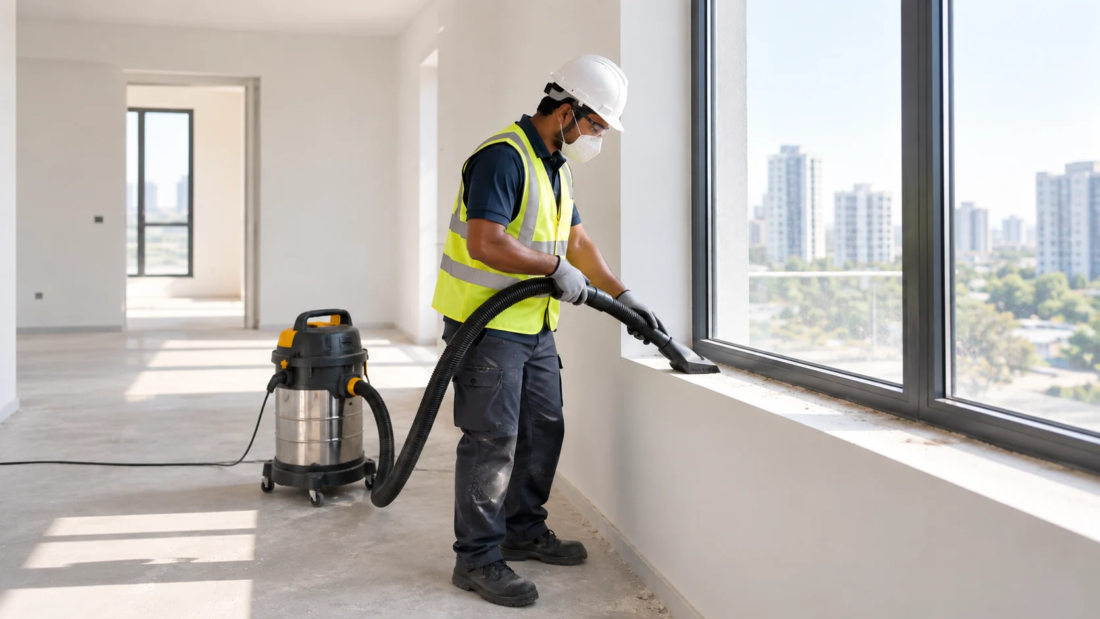
post-construction cleaning Dubai crew removing debris

Post-Construction Cleaning Dubai: 7-Step Guide for Contractors

Post-construction cleaning Dubai contractors and property owners rely on is the final and often underestimated stage of any build or renovation. Once construction crews pack up, what’s left behind rarely resembles the finished space everyone envisioned: fine dust coats every surface, adhesive residue clings to windows and fixtures, and debris sits in corners and ventilation systems.

Skipping or rushing this stage doesn’t just leave a space looking unfinished. It can delay handover, create safety hazards for occupants, and even cause long-term damage to flooring, fixtures, and HVAC systems if construction dust isn’t properly removed. Whether you’re a contractor closing out a project or an owner preparing to move in, this step-by-step guide covers what a thorough post-construction cleaning actually involves.

Why Post-Construction Cleaning Dubai Projects Need a Structured Process

Dubai’s construction environment adds extra challenges compared to standard post-renovation cleanup:

  • Fine desert dust settles into a site quickly, even after construction wraps up
  • High-rise and villa projects often involve multiple finish types marble, glass, wood, painted surfaces each requiring different cleaning methods
  • Tight handover timelines mean cleaning often has to happen fast without cutting corners
  • Ventilation systems installed during construction can trap dust that circulates back into the space if not cleaned before occupancy

A structured, phased approach avoids missed areas and rework both of which cost more time than doing it right the first time.

Initial Debris Removal

Before any detailed cleaning begins, the site needs a rough clear-out.

  • Remove large construction debris: leftover materials, packaging, offcuts, and discarded fixtures
  • Clear nails, screws, and other sharp objects that pose safety hazards
  • Dispose of hazardous materials (paint cans, adhesives, chemical containers) separately from general debris
  • Coordinate bulk waste removal early so the site isn’t cluttered during the detailed cleaning phases

Dust Removal From High Surfaces Downward

Post-construction cleaning Dubai teams follow a top-to-bottom approach so dust dislodged from higher surfaces doesn’t resettle on areas already cleaned.

  • Dust ceilings, light fixtures, and vents first
  • Wipe down walls, built-in shelving, and cabinetry
  • Clean window frames and tracks, where construction dust accumulates heavily
  • Finish with floors last, once all higher-level dust has been cleared

Detailed Surface and Fixture Cleaning

This stage addresses the residue that general dusting doesn’t remove.

  • Remove adhesive marks and protective film residue from glass, countertops, and fixtures
  • Clean paint splatter or overspray from surfaces it wasn’t meant to touch
  • Polish stainless steel fixtures, handles, and railings
  • Clean bathroom and kitchen fittings thoroughly, including grout lines where construction dust often settles

Floor Cleaning by Material Type

Different flooring materials require different treatment to avoid damage:

  • Tile and marble: deep clean and polish to remove haze from grout and sealants
  • Hardwood: dust and clean using products safe for the specific finish
  • Carpet: vacuum thoroughly, then treat any construction-related stains
  • Concrete or epoxy floors: scrub and degrease to remove residue from construction activity

Using the wrong products or techniques on the wrong surface is a common mistake that can dull finishes or void warranties.

Ventilation and Duct Cleaning

Construction dust doesn’t just sit on visible surfaces it accumulates inside HVAC systems installed or exposed during the build. If ducts aren’t cleaned before occupancy, dust circulates back into the space every time the system runs.

Post-construction cleaning Dubai projects should include duct and ventilation cleaning as a dedicated step, not an afterthought, particularly for newly built villas, offices, and residential towers.

Final Detailing and Inspection

Before handover, a final pass catches anything missed in earlier stages.

  • Inspect every room systematically, checking corners, behind doors, and inside cabinets
  • Clean windows inside and out for a streak-free finish
  • Wipe down switches, sockets, and door handles
  • Confirm all waste and cleaning materials have been fully cleared from the site

A written inspection checklist helps ensure consistency, especially on larger projects with multiple rooms or units.

Waste Disposal and Final Sign-Off

The final step is making sure all collected debris and waste is removed and disposed of properly not just piled outside the site.

  • Arrange proper waste removal for construction debris, packaging, and general waste
  • Separate recyclable materials where possible
  • Confirm the site meets both cleanliness and safety standards before handover
  • Document completion with photos or a sign-off form for contractors and owners

Common Mistakes to Avoid

Cleaning before all construction work is fully finished leftover work (touch-up painting, fixture installation) often creates new dust and debris Skipping ventilation cleaning because dust isn’t visible from outside the duct Using standard household cleaning products on specialized surfaces like natural stone or specific wood finishes Rushing the final inspection and missing residue in less obvious areas like door tracks or cabinet interiors

Should You Hire a Professional Post-Construction Cleaning Service?

While smaller projects can sometimes be handled in-house, most post-construction cleaning Dubai projects benefit from professional post-construction cleaning services, particularly for:

  • Large residential or commercial builds with multiple finish types
  • Projects with tight handover deadlines
  • Sites requiring specialized equipment for duct cleaning or deep floor treatment
  • Situations where documentation or inspection reports are needed for handover

Professional teams bring industrial-grade equipment and experience with different construction materials, which typically results in a faster, more thorough clean than in-house staff can manage alone.

The Bottom Line

Post-construction cleaning Dubai contractors and owners rely on isn’t just a final tidy-up it’s what determines whether a finished space is genuinely safe, healthy, and ready for use. Following a structured process, from initial debris removal through to final inspection, prevents missed areas, protects finishes, and avoids the kind of dust-related air quality issues covered in the EPA’s introduction to indoor air quality, which applies just as much to newly constructed spaces as to older buildings.

If your project is approaching handover, building post-construction cleaning into the timeline rather than treating it as an afterthought will save time and rework in the long run.

FAQ

When should post-construction cleaning start?

Cleaning should begin only after all construction and finishing work including touch-up painting and fixture installation is fully complete, to avoid new dust and debris undoing earlier cleaning work.

How long does post-construction cleaning take?

Timelines vary by project size, but a villa or small office typically takes 1–2 days, while larger commercial or residential buildings can take several days to a week depending on the number of units and finish types.

Does post-construction cleaning include duct cleaning?

It should. Construction dust accumulates inside HVAC and ventilation systems, and skipping duct cleaning means dust recirculates into the space after occupancy.

Can regular cleaning products be used for post-construction cleaning?

Not always. Certain finishes, like natural stone or specific wood coatings, require specialized products to avoid damage standard household cleaners can dull or discolor these surfaces.

Is professional post-construction cleaning worth it for smaller projects?

For small, simple spaces, in-house cleaning may be sufficient, but professional services are generally worth it for larger projects, tight deadlines, or spaces with multiple flooring and finish types.

Enron provides professional post-construction cleaning services, duct cleaning, and waste removal for residential and commercial projects across Dubai. Contact us to schedule a post-construction clean before your next handover.

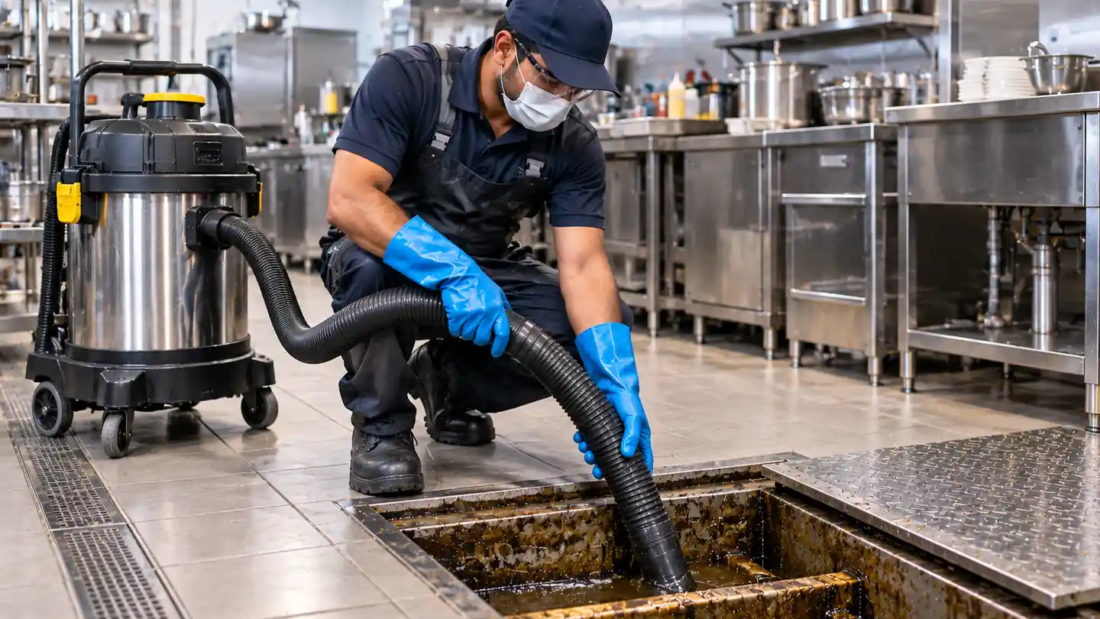
grease trap rules Dubai restaurant compliance cleaning

Grease Trap Rules Dubai: 7 Essential Compliance Tips for Restaurants

Grease trap rules Dubai food businesses must follow are stricter than many restaurant owners realize and non-compliance is one of the most common reasons commercial kitchens face fines, blockages, or unexpected closures. Dubai Municipality’s Food Safety Department requires every food establishment that generates fats, oils, and grease (FOG) to install, maintain, and regularly clean a properly sized grease trap.

For restaurant owners, café operators, and hotel kitchen managers, understanding these grease trap rules Dubai regulations isn’t just about avoiding penalties. A well-maintained grease trap protects plumbing systems, prevents foul odors in dining areas, and keeps kitchen operations running without disruption. Here’s what every food business in Dubai needs to know.

Why Grease Trap Rules Dubai Regulations Exist

Fats, oils, and grease from commercial kitchens don’t break down the way regular wastewater does. Left untreated, FOG solidifies inside pipes, causing blockages that can back up into the kitchen or the municipal sewer system. Grease trap regulations exist to:

  • Prevent FOG from entering and damaging the public sewer network
  • Reduce the risk of sewage backups and overflow in commercial kitchens
  • Protect public health by limiting contamination risks from blocked drainage
  • Ensure consistent hygiene standards across Dubai’s food service industry

Every Food Establishment Needs an Approved Grease Trap

Dubai Municipality requires all commercial kitchens restaurants, cafés, hotels, catering facilities, and cafeterias to have a grease trap that is properly sized for their kitchen’s volume and cooking type. An undersized or improperly installed trap fails to separate FOG effectively, regardless of how often it’s cleaned.

Businesses setting up a new kitchen, or those unsure whether their existing system meets requirements, should confirm sizing and placement with a licensed grease trap installation provider before opening or renewing food safety approvals.

Regular Cleaning Schedules Are Mandatory, Not Optional

Grease trap rules Dubai authorities enforce require regular cleaning based on the kitchen’s cooking Grease trap rules Dubai authorities enforce require regular cleaning based on the kitchen’s cooking volume, not a fixed one-size-fits-all interval. General guidance includes:

  • High-volume kitchens (fast food, large restaurants): cleaning every 1–4 weeks
  • Medium-volume kitchens: monthly to bi-monthly cleaning
  • Lower-volume establishments (cafés, small kitchens): every 2–3 months

Waiting until a blockage or odor appears is a compliance risk inspectors look for consistent, documented cleaning, not reactive fixes.

Proper Documentation and Cleaning Records

Food businesses are expected to maintain records showing when grease traps were cleaned, by whom, and how the waste was disposed of. These records are often requested during Dubai Municipality food Grease trap rules Dubai inspectors enforce also cover paperwork, not just the physical trap. Food businesses are expected to maintain records showing when grease traps were cleaned, by whom, and how the waste was disposed of. These records are often requested during Dubai Municipality food safety inspections, which are outlined in the Dubai Municipality Food Code governing commercial kitchen hygiene standards. A licensed provider should supply:

  • Service dates and technician details
  • Volume of FOG waste removed
  • Confirmation of compliant disposal through approved waste channels

Missing documentation can result in penalties even if the grease trap itself is in good condition.

FOG Waste Must Be Disposed of Through Approved Channels

Removing grease from a trap is only half the requirement the waste itself must be transported and disposed of by a municipality-approved service. Dumping FOG waste improperly, or using an unlicensed provider, is a violation even if the trap is cleaned regularly.

Grease Traps Must Be Inspected for Damage, Not Just Cleaned

Cleaning removes accumulated grease, but it doesn’t reveal structural issues like cracked baffles, corroded components, or failing seals. Grease trap rules Dubai authorities apply expect ongoing maintenance, which should include:

  • Checking baffle condition and water flow during each cleaning visit
  • Identifying early signs of wear before they cause a failure
  • Repairing or replacing damaged components promptly rather than continuing to clean a failing unit

Grease Trap Placement and Accessibility Requirements

Among the less obvious grease trap rules Dubai kitchens must plan for is accessibility. Grease traps must be installed in a location that allows technicians to access and service them properly. Poor placement such as traps buried under equipment or in hard-to-reach areas can lead to incomplete cleaning and compliance issues during inspections. Restaurants renovating or relocating kitchens should factor grease trap accessibility into their layout planning from the start.

Work Only With Licensed, Municipality-Approved Providers

Perhaps the most overlooked grease trap rule Dubai businesses need to follow: only Dubai Municipality-approved companies are authorized to clean and transport FOG waste. Using an unlicensed or informal service even if cheaper puts the business at compliance risk, since the food establishment remains responsible for how its waste is handled.

When selecting a provider, confirm they offer:

  • Valid Dubai Municipality licensing for grease trap cleaning and FOG transport
  • Documented, compliant disposal methods
  • Consistent service scheduling suited to your kitchen’s volume
  • Inspection reporting alongside routine cleaning

What Happens If a Restaurant Doesn’t Comply

Failing to follow grease trap rules Dubai regulations require can result in:

  • Fines from Dubai Municipality’s Food Safety Department
  • Mandatory closure until the issue is resolved
  • Sewage backups that damage kitchen equipment and halt service
  • Reputational damage if blockages or odors affect the dining experience

The Bottom Line

Grease trap rules Dubai restaurants must follow exist to protect plumbing infrastructure, public health, and the smooth operation of commercial kitchens. Proper installation, scheduled cleaning, accurate documentation, compliant waste disposal, and working with a licensed provider are what keep a food business compliant and free of costly disruptions. For general background on how grease traps function and why maintenance matters, this step-by-step grease trap cleaning guide breaks down the process in more detail.

If it’s been longer than your kitchen’s recommended interval since the last cleaning, it’s worth scheduling a service now rather than waiting for a blockage to force the issue.

FAQ

How often does Dubai Municipality require grease traps to be cleaned?

There’s no single fixed interval frequency depends on kitchen volume, ranging from every 1–4 weeks for high-volume kitchens to every 2–3 months for smaller establishments. A licensed provider can recommend the right schedule for your business.

What happens if a restaurant doesn’t clean its grease trap regularly?

Non-compliance can lead to fines, mandatory closure, sewage backups, and damage to kitchen equipment, in addition to the compliance risk during municipality inspections.

Can any cleaning company handle grease trap cleaning in Dubai?

No. Only Dubai Municipality-approved providers are authorized to clean grease traps and transport FOG waste. Using an unlicensed provider puts the business at compliance risk.

Do grease trap rules apply to small cafés, or just large restaurants?

The rules apply to any food establishment that generates FOG waste, regardless of size, though cleaning frequency is typically adjusted based on cooking volume.

What records should a restaurant keep for grease trap compliance?

Restaurants should retain documentation of cleaning dates, technician details, FOG volume removed, and confirmation of compliant disposal these records are commonly requested during food safety inspections.

Enron is a Dubai Municipality-licensed grease trap cleaning company serving restaurants, hotels, and commercial kitchens across Dubai. Contact us to set up a compliant cleaning schedule for your kitchen.

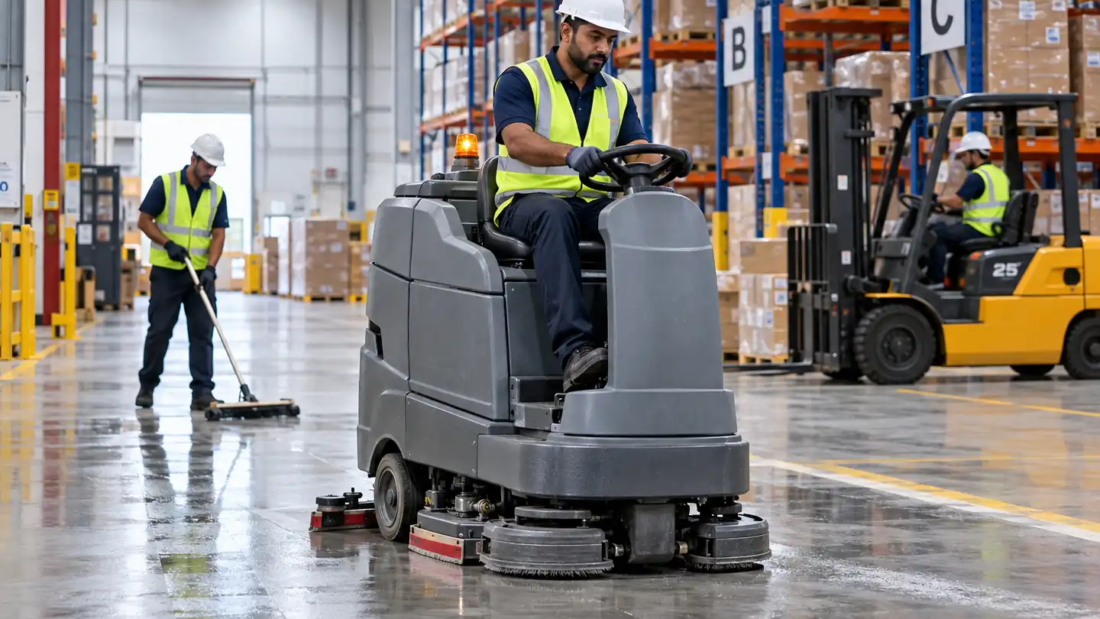
warehouse and factory cleaning team using industrial floor scrubber

Warehouse and Factory Cleaning: 7 Proven Ways to Reduce Downtime

Warehouse and factory cleaning is often treated as a housekeeping task rather than an operational priority but in industrial environments, the two are directly connected. Dust buildup on machinery, grease on floors, clogged ventilation, and cluttered storage don’t just look bad; they cause equipment breakdowns, workplace injuries, and unplanned downtime that costs far more than the cleaning itself.

For warehouses and factories in Dubai, where dust from the surrounding desert climate accumulates quickly and operations often run at high volume, an unstructured or reactive cleaning approach almost guarantees avoidable downtime. Building the right maintenance schedule is what turns cleaning from a recurring interruption into a tool for operational efficiency.

Why Warehouse and Factory Cleaning Directly Affects Downtime

Downtime in industrial facilities rarely comes from one dramatic failure — it usually builds up from small, preventable issues:

  • Dust accumulation on motors, sensors, and electrical panels causes overheating and premature equipment failure
  • Grease and oil spills left on floors create slip hazards that lead to injuries and halted operations
  • Clogged ventilation and duct systems reduce air quality and strain HVAC equipment
  • Cluttered storage areas slow down inventory movement and increase the risk of accidents
  • Pest activity, drawn to food storage or waste areas, can damage stock and trigger compliance issues

A structured warehouse and factory cleaning schedule addresses these risks before they turn into costly interruptions.

Separate Daily, Weekly, and Deep-Cleaning Tasks

Not every cleaning task needs to happen every day but some absolutely do. An effective schedule breaks tasks into three tiers:

  • Daily: sweeping high-traffic floors, wiping down spill-prone equipment, clearing walkways and emergency exits
  • Weekly: cleaning storage racks, checking and clearing drains, wiping down machinery surfaces
  • Monthly or quarterly deep cleans: full floor scrubbing, ceiling and high-surface dusting, duct and ventilation cleaning, equipment degreasing

Skipping the deep-clean tier is one of the most common reasons facilities end up with sudden, disruptive downtime problems that a monthly inspection would have caught early instead build up until they force an unplanned shutdown.

Prioritize Floors and High-Traffic Zones

Warehouse and factory floors take the most damage and pose the most immediate safety risk. A maintenance schedule should include:

  • Regular use of industrial degreasers on areas near machinery and loading docks
  • Routine inspection for cracks, uneven surfaces, or damage that creates trip hazards
  • Scheduled use of ride-on scrubbers or heavy-duty sweepers for large floor areas
  • Prompt spill response protocols so hazards don’t sit until the next cleaning cycle

Keep Machinery and Equipment Dust-Free

Dust is one of the leading causes of unplanned equipment downtime in industrial settings. Left unaddressed, it can clog ventilation, cause overheating, and interfere with sensors and moving parts.

  • Schedule regular dusting of machinery, motors, and control panels
  • Coordinate cleaning with maintenance teams to avoid interrupting active production runs
  • Pay particular attention to areas with vents, fans, or exposed electrical components
  • Keep a log of equipment cleaning to correlate with any performance issues

Don’t Overlook Ventilation and Duct Systems

Poor air quality from clogged ducts doesn’t just affect worker comfort it strains HVAC systems and can accelerate equipment wear across a facility.

  • Schedule duct and ventilation cleaning at regular intervals, not just when airflow problems become noticeable
  • Include ceiling-level dusting in deep-cleaning cycles, since dust migrates from ducts to surfaces below
  • Monitor for unusual odors or reduced airflow as early warning signs

Build Waste Management Into the Cleaning Schedule

Cluttered waste storage slows down operations and creates fire, pest, and safety hazards.

  • Coordinate waste removal schedules with cleaning cycles so waste doesn’t accumulate between pickups
  • Keep waste segregated by type (general, recyclable, hazardous) to avoid handling delays
  • Ensure waste storage areas are cleaned regularly to prevent pest attraction and odor buildup

Use the Right Equipment and Techniques for Industrial Surfaces

Standard cleaning tools aren’t built for industrial-scale facilities. A maintenance schedule should specify the equipment needed for each task:

  • Industrial vacuums and sweepers for large floor areas
  • High-pressure washers for grease and stubborn grime
  • Specialized techniques like dry ice blasting for sensitive equipment surfaces
  • Confined-space cleaning protocols for tanks, pits, or enclosed machinery areas

Using under-powered equipment or generic cleaning products often means tasks take longer and still leave residue that contributes to future downtime.

Schedule Professional Deep Cleans, Not Just In-House Maintenance

In-house teams can usually manage daily and weekly tasks, but periodic deep cleans benefit from professional industrial cleaning services with the equipment and experience to handle large-scale facilities safely.

A professional deep clean typically includes:

  • Full floor scrubbing and degreasing
  • High-surface and ceiling dusting
  • Duct and ventilation system cleaning
  • Post-cleaning inspection reports that flag maintenance concerns before they cause downtime

Building a Maintenance Schedule That Actually Sticks

A schedule only reduces downtime if it’s followed consistently. Practical steps to make that happen:

  • Assign clear ownership for each cleaning tier (daily, weekly, deep clean)
  • Use checklists or digital logs so tasks aren’t missed during busy periods
  • Review the schedule quarterly and adjust based on which issues keep recurring
  • Loop in maintenance and safety teams so cleaning schedules align with equipment servicing

The Bottom Line

Warehouse and factory cleaning isn’t just about appearances it’s a direct lever on downtime, safety, and equipment lifespan. A tiered schedule covering daily upkeep, weekly maintenance, and professional deep cleans catches small problems before they become costly interruptions. For further guidance on workplace housekeeping and its role in industrial safety, OSHA’s guidance on workplace housekeeping outlines many of the same principles that apply to facilities in Dubai.

If your facility has experienced recurring, unexplained downtime, an inconsistent cleaning schedule is worth ruling out before assuming it’s purely a mechanical issue.

FAQ

How often should a warehouse or factory be deep cleaned?

Most facilities benefit from monthly or quarterly deep cleans in addition to daily and weekly maintenance, though high-traffic or high-dust environments may need more frequent attention.

Can poor cleaning really cause equipment downtime?

Yes. Dust buildup on machinery can cause overheating and sensor interference, while grease and grime accumulation can accelerate wear on moving parts both of which lead to unplanned breakdowns.

Should in-house staff handle warehouse and factory cleaning, or is a professional service better?

A combination works best: in-house teams can manage daily and weekly tasks, while periodic deep cleans benefit from professional equipment and expertise, particularly for duct systems, high surfaces, and confined spaces.

What’s the biggest mistake facilities make with cleaning schedules?

Treating cleaning as reactive rather than scheduled waiting until dust, grease, or clutter becomes visible instead of following a consistent maintenance tier system.

Does warehouse cleaning affect health and safety compliance?

Yes. Clear walkways, hazard-free floors, and clean ventilation systems are often directly tied to workplace health and safety standards, and inconsistent cleaning can result in compliance issues during inspections.

Enron provides professional warehouse and industrial cleaning services, duct cleaning, and waste management for factories and warehouses across Dubai. Contact us to build a maintenance schedule tailored to your facility.

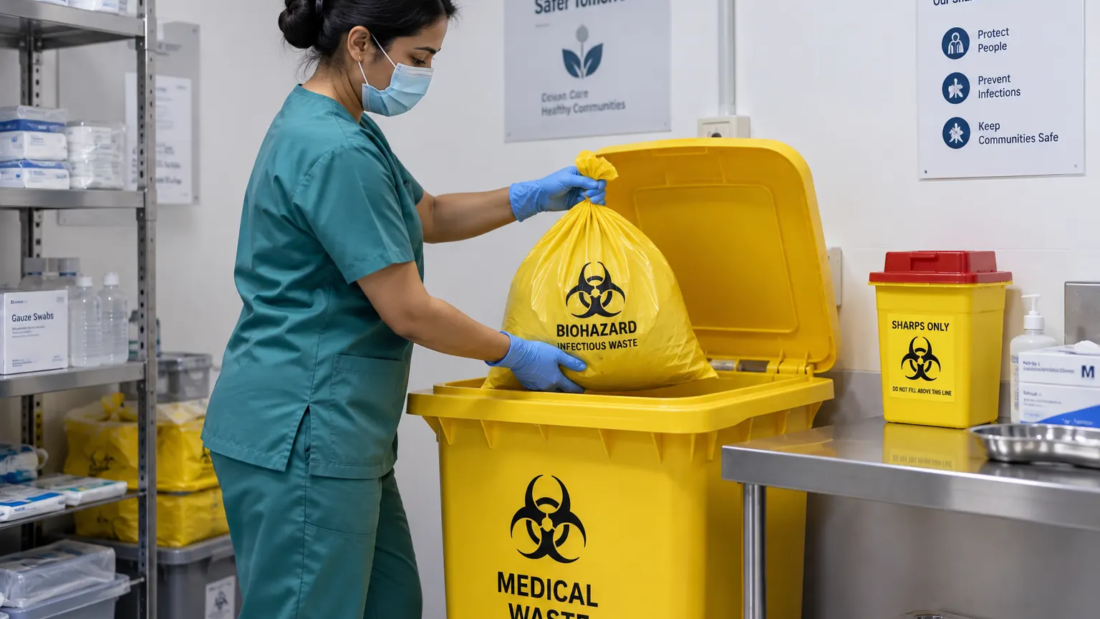
medical waste removal Dubai clinic biohazard disposal

Medical Waste Removal Dubai : 7 Critical Regulations Clinics Must Follow

Medical waste removal Dubai regulations exist for a simple reason: healthcare waste is one of the most hazardous waste categories a business can generate, and mishandling it puts patients, staff, and the wider public at risk. Needles, contaminated dressings, expired pharmaceuticals, and pathological waste all require handling that goes far beyond standard commercial waste disposal.

For clinics, hospitals, dental practices, and laboratories operating in Dubai, understanding and following the regulations around medical waste isn’t optional. Non-compliance can result in fines, license suspension, and serious reputational damage. Here’s what every healthcare facility needs to know.

Why Medical Waste Removal in Dubai Is So Tightly Regulated

Unlike general commercial waste, medical waste can carry infectious agents, sharps injury risks, and hazardous chemical or pharmaceutical residues. Dubai Municipality and the Dubai Health Authority (DHA) enforce strict rules covering how healthcare waste is segregated, stored, transported, and disposed of because a single mishandled batch can expose sanitation workers, waste handlers, or the public to serious health risks.

These regulations apply to any facility that generates healthcare waste, including:

  • Hospitals and private clinics
  • Dental practices
  • Diagnostic laboratories
  • Veterinary clinics
  • Aesthetic and cosmetic treatment centers
  • Home healthcare providers

Proper Waste Segregation at the Source

Medical waste regulations require different categories of waste to be separated at the point of generation, not sorted later. Common categories include:

  • Infectious waste items contaminated with blood or bodily fluids
  • Sharps waste needles, scalpels, and other puncture-risk items
  • Pathological waste tissues, organs, and body parts
  • Pharmaceutical waste expired or unused medications
  • Chemical waste lab reagents and disinfectants
  • General non-hazardous waste packaging and non-contaminated items

Mixing these categories is one of the most common compliance failures inspectors flag

Color-Coded, Labeled Containers

Regulations require specific container types and color coding for each waste category typically yellow bags or bins for infectious waste, puncture-resistant sharps containers, and clearly labeled containers for pharmaceutical and chemical waste. Containers must be labeled with the biohazard symbol, waste type, and generation date where required.

Safe On-Site Storage Requirements

Medical waste can’t simply sit in a back room until collection day. Facilities are required to:

  • Store medical waste in a designated, secure area inaccessible to unauthorized personnel
  • Keep storage areas at appropriate temperatures to limit odor and microbial growth
  • Limit on-site storage time before collection, particularly for infectious and pathological waste
  • Prevent leakage, spillage, or pest access to stored waste

Licensed Transport and Chain-of-Custody Documentation

Medical waste removal Dubai rules require that only licensed, municipality-approved transporters handle the movement of healthcare waste from the facility to an approved treatment or disposal site. Facilities should maintain documentation for every collection, including:

  • Waste manifest or tracking forms noting type and quantity collected
  • Date and time of collection
  • Transporter license details
  • Confirmation of receipt at a licensed treatment facility

This chain-of-custody record is often requested during health authority audits.

Staff Training on Handling Procedures

Regulations typically require that staff who generate or handle medical waste receive training covering:

  • Correct segregation procedures for each waste category
  • Safe handling of sharps to prevent needle-stick injuries
  • Proper use of personal protective equipment (PPE) during waste handling
  • Emergency procedures for spills or exposure incidents

Untrained staff handling waste incorrectly is a common root cause of compliance violations, even when a facility has the right bins and containers in place.

Approved Treatment and Final Disposal Methods

Healthcare waste must be treated using approved methods commonly autoclaving, incineration, or chemical disinfection before final disposal, depending on the waste category. Facilities are generally required to use only licensed waste management providers who can demonstrate their treatment process meets Dubai Municipality and DHA standards.

Regular Compliance Audits and Record-Keeping

Beyond day-to-day handling, regulations expect healthcare facilities to maintain ongoing compliance records, including:

  • Waste generation and collection logs
  • Staff training records
  • Contracts and licenses of waste management providers
  • Incident reports for any spills or handling errors

These records are typically the first thing reviewed during a health authority inspection, and gaps here can trigger deeper scrutiny even when day-to-day handling is otherwise compliant.

What Happens If a Facility Doesn’t Comply

Non-compliance with medical waste regulations in Dubai can result in:

  • Financial penalties from Dubai Municipality or DHA
  • Suspension of operating licenses for repeated or serious violations
  • Increased risk of infection or injury to staff and waste handlers
  • Reputational damage if violations become public

Choosing a Licensed Medical Waste Removal Partner

Given the complexity of the regulations, most clinics and hospitals rely on a specialized waste management partner to handle collection, transport, and disposal in compliance with local law. When evaluating a provider, confirm they offer:

  • Full municipality and DHA licensing for medical waste handling
  • Segregated collection using compliant, color-coded containers
  • Documented chain-of-custody for every collection
  • Transparent reporting suitable for compliance audits
  • Experience across hospitals, clinics, and laboratories of varying sizes

The Bottom Line

Medical waste removal Dubai regulations exist to protect patients, staff, and the public from the unique risks healthcare waste presents. Proper segregation, compliant storage, licensed transport, trained staff, and thorough record-keeping are what separate a compliant facility from one at risk of penalties or worse. For a broader look at how healthcare waste is classified and managed internationally, the World Health Organization’s healthcare waste fact sheet is a useful reference point.

If your facility hasn’t reviewed its medical waste procedures recently, a compliance check with a licensed provider is a reasonable place to start.

Who regulates medical waste removal in Dubai?

Medical waste handling in Dubai falls under the oversight of Dubai Municipality and the Dubai Health Authority (DHA), which set the standards for segregation, storage, transport, and disposal of healthcare waste.

What counts as medical waste in a clinic?

Medical waste includes infectious waste (blood- or fluid-contaminated items), sharps, pathological waste, pharmaceutical waste, and certain chemical waste generated during diagnosis, treatment, or lab work.

Can a clinic dispose of medical waste with regular commercial waste?

No. Medical waste must be segregated at the source and handled separately using licensed transporters and approved treatment methods mixing it with general waste is a common compliance violation.

How often should medical waste be collected from a facility?

Collection frequency depends on waste volume and category, but regulations generally require infectious and pathological waste to be collected before on-site storage limits are exceeded, often within a few days.

What should a facility check before hiring a medical waste removal company?

Confirm the provider holds valid Dubai Municipality and DHA licensing, uses compliant color-coded containers, provides chain-of-custody documentation, and has experience handling healthcare waste specifically not just general commercial waste.

Enron provides municipality-approved medical and hazardous waste removal services for hospitals, clinics, and laboratories across Dubai. Contact us to arrange a compliant waste management plan for your facility.

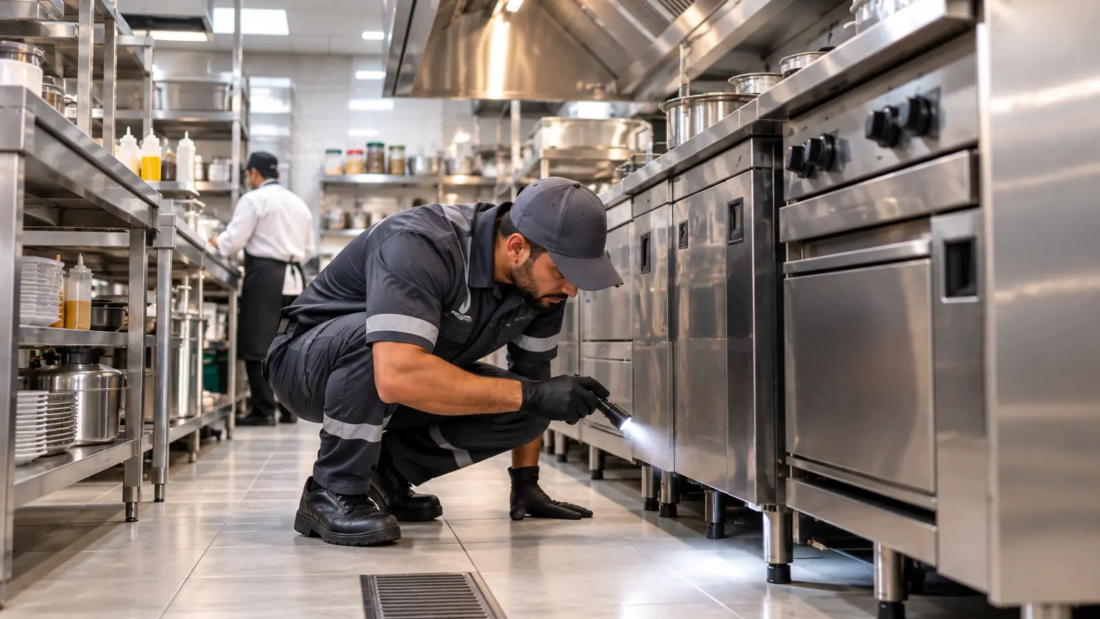
commercial kitchen pest control technician inspecting restaurant equipment

Commercial Kitchen Pest Control: 7 Proven Ways to Stop Cockroaches and Rodents

Commercial kitchen pest control is not something a single spray treatment can solve. Cockroaches and rodents are drawn to commercial kitchens because they offer exactly what pests need to thrive: food, warmth, water, and hiding places. A one-time treatment might kill the pests visible on the day the technician visits, but it does nothing to remove the conditions that attracted them in the first place which means the infestation almost always comes back.

For restaurants, hotels, cafeterias, and catering facilities in Dubai, an ongoing pest problem isn’t just unpleasant. It’s a direct threat to food safety compliance, health inspection scores, and customer trust. This guide covers what real, lasting commercial kitchen pest control actually requires.

Why a One-Time Spray Isn’t Real Commercial Kitchen Pest Control

Chemical sprays kill pests on contact, but they don’t address the root causes of an infestation:

  • Grease and food residue left on equipment, floors, and behind appliances keep feeding new generations of pests
  • Entry points gaps around pipes, doors, and vents stay open even after a treatment
  • Moisture sources, like leaking pipes or condensation, continue to attract roaches and rodents
  • Breeding cycles mean a handful of surviving eggs or a single pregnant rodent can repopulate a kitchen within weeks

Effective commercial kitchen pest control treats the environment, not just the pests visible on the surface.

Understanding the Risk: Cockroaches and Rodents in Commercial Kitchens

Cockroaches and rodents are more than a visual problem. Both carry pathogens on their bodies and in their droppings that can contaminate food prep surfaces, equipment, and stored ingredients. In Dubai, where food businesses are subject to municipality health inspections, evidence of pest activity can result in warnings, fines, or in serious cases, temporary closure.

Warm, humid conditions and the density of restaurants in commercial districts make consistent prevention especially important compared to less pest-prone climates.

Start With Sanitation, Not Chemicals

The single most effective step in commercial kitchen pest control is removing what attracts pests in the first place.

  • Clean under and behind heavy equipment (ovens, fridges, dishwashers) on a regular schedule, not just during deep cleans
  • Wipe down grease build-up on kitchen hoods, exhaust fans, and stovetops daily
  • Empty and clean waste bins at the end of every shift
  • Don’t leave dirty dishes, pots, or food scraps sitting out overnight

Seal Entry Points and Structural Gaps

Cockroaches can fit through gaps as thin as a coin’s edge, and rodents can squeeze through openings the size of a small coin as well.

  • Seal gaps around pipes, cables, and vents entering the building
  • Install door sweeps on all exterior and delivery doors
  • Repair damaged window screens and weather stripping
  • Check delivery areas regularly, since pests often enter hidden in supply boxes

Manage Grease and Food Waste Correctly

Grease build-up is one of the biggest and most overlooked attractants for cockroaches in commercial kitchens. A kitchen with a poorly maintained grease trap or greasy exhaust system is effectively feeding an infestation.

  • Schedule regular grease trap cleaning to prevent grease build-up from attracting pests
  • Keep kitchen hoods and duct systems free of grease accumulation
  • Store food waste in sealed, pest-proof containers
  • Arrange for waste to be collected frequently rather than left to accumulate

Control Moisture and Standing Water

Cockroaches in particular can survive longer without food than without water. Standing water anywhere in a kitchen is an open invitation.

  • Fix leaking pipes, taps, and dishwasher connections promptly
  • Dry sinks, drainage areas, and floor mats at the end of each shift
  • Ensure floor drains and sewage and drainage systems are functioning properly and not backing up
  • Avoid letting condensation collect under refrigeration units

Store Food and Supplies Properly

Poor storage practices give pests both food and shelter in one place.

  • Store dry goods in sealed, elevated containers rather than open bags on the floor
  • Rotate stock using a first-in, first-out system to avoid forgotten, decaying items
  • Inspect incoming deliveries for signs of pest activity before bringing them into storage
  • Keep storage areas organized so staff can spot early signs of infestation

Schedule Routine Professional Inspections

Prevention works best when problems are caught early, before an infestation becomes visible to staff or customers.

  • Arrange scheduled inspections rather than waiting for a visible problem
  • Ask your provider to check high-risk areas: behind equipment, under sinks, storage rooms, and entry points
  • Keep a record of inspection findings to track recurring problem areas
  • Address any structural or maintenance issues an inspection reveals promptly

Partner With a Licensed Provider for Ongoing Commercial Kitchen Pest Control

Sustainable commercial kitchen pest control depends on a long-term partnership, not a single visit. A licensed provider will combine treatment with monitoring and prevention advice tailored to your kitchen’s layout and risk areas.

When choosing a provider, confirm they offer:

  • Licensed, municipality-approved pest control services
  • Integrated pest management (IPM) rather than chemical-only treatment
  • Regular monitoring and follow-up visits, not one-off call-outs
  • Documentation suitable for health inspections and compliance records

Signs Your Kitchen Needs Immediate Pest Control Attention

Don’t wait for a visible infestation to act. Contact a professional if you notice:

  • Droppings near food storage, equipment, or baseboards
  • Grease marks or rub marks along walls and skirting (a sign of rodent activity)
  • An unusual, musty odor in storage or prep areas
  • Live or dead pests, especially during daylight hours (a sign of a larger hidden population)
  • Chewed packaging, wiring, or structural materials

The Bottom Line

Commercial kitchen pest control is an ongoing process, not a one-time fix. Sanitation, sealed entry points, proper grease and waste management, moisture control, correct food storage, and routine professional inspections work together to keep cockroaches and rodents out for good protecting both your food safety compliance and your reputation. For general guidance on pest-related food safety risks, the FDA’s Food Code resource on pest management is a useful reference point, even for kitchens operating outside the US.

If your kitchen has dealt with recurring pest issues despite past treatments, it’s a sign the underlying conditions haven’t been addressed not that pest control doesn’t work.

FAQ

How often should a commercial kitchen have pest control treatment?

Most commercial kitchens benefit from monthly inspections and treatment, though high-risk kitchens (heavy grease use, older buildings, dense commercial districts) may need more frequent visits.

Why do cockroaches keep coming back after treatment?

If grease, food residue, moisture, or entry points aren’t addressed, a kitchen remains attractive to new pests even after existing ones are eliminated. Lasting control requires fixing the underlying conditions, not just repeated spraying.

Can grease trap problems really cause a pest infestation?

Yes. A poorly maintained grease trap or greasy exhaust system provides a steady food source for cockroaches, making regular grease trap and duct cleaning an important part of prevention.

Is chemical spraying safe to use in a working kitchen?

Licensed pest control providers use food-safe application methods and integrated pest management techniques designed to protect food prep areas, but scheduling and product selection should always be handled by a certified professional.

What’s the difference between pest control and pest prevention?

Pest control typically refers to treating an active infestation, while prevention involves the ongoing sanitation, maintenance, and monitoring practices that stop infestations from starting in the first place. Effective commercial kitchen pest control requires both.

Enron Cleaning Company provides municipality-approved pest control services, grease trap cleaning, and kitchen hood and duct cleaning for restaurants and commercial kitchens across Dubai. Contact us to schedule an inspection.

villa septic tank maintenance

Villa Septic Tank Maintenance in Dubai: 7 Proven Tips

Villa septic tank maintenance is something most Dubai homeowners never think about until something goes wrong. Unlike apartments connected to a central municipal sewage network, many villas especially in areas like Al Barsha, Arabian Ranches, The Springs, and outlying communities not yet linked to Dubai’s main sewer line rely on individual septic tanks or holding tanks to manage wastewater.

A septic system that’s neglected doesn’t just fail quietly. It backs up into bathrooms, floods gardens with waste, attracts pests, and can cost thousands of dirhams to repair or replace. The good news is that consistent villa septic tank maintenance can keep a system running smoothly for decades. Here’s what villa owners need to know.

Why Septic Systems Are Under Extra Strain in Dubai

Dubai’s climate and lifestyle put unique pressure on septic systems compared to cooler, less densely populated regions:

  • Extreme heat speeds up bacterial activity in the tank, which can be good or bad depending on the balance of waste inside.
  • High water usage from irrigation, pools, and larger households with domestic staff increases the volume flowing into the tank daily.
  • Sandy, low-permeability soil in some areas means drain fields absorb wastewater more slowly than expected.
  • Villa size and occupancy often exceed what a standard-sized tank was designed for, especially in older properties that have been extended or have more residents than the original plan accounted for.

These factors mean villa owners often need to service their systems more proactively than a generic maintenance guide would suggest.

Schedule Regular Professional Pumping: The Core of Villa Septic Tank Maintenance

The single biggest factor in septic system lifespan is how often solid waste (sludge) is removed. Left unchecked, sludge builds up, reduces the tank’s effective capacity, and eventually flows into the drain field or leach pit where it can cause expensive, sometimes irreversible damage.

General guidance for Dubai villas:

  • Average household (4–6 people): every 3–6 months
  • Larger households or villas with staff quarters: every 2–3 months
  • Villas with garbage disposals or heavy kitchen waste: more frequent pumping

A professional septic tank cleaning company can assess your specific tank size, household size, and usage pattern to recommend an accurate schedule rather than relying on generic timelines..

Watch What Goes Down the Drain

Septic systems rely on bacteria to break down organic waste. Certain household habits disrupt this balance and accelerate wear:

Avoid flushing or draining:

  • Cooking oil and grease
  • Wet wipes, sanitary products, or diapers (even ones labeled “flushable”)
  • Harsh chemical drain cleaners
  • Large quantities of bleach or disinfectant
  • Coffee grounds, eggshells, or fibrous food scraps
  • Paint, solvents, or motor oil

Grease is a particularly common issue in villa kitchens it solidifies inside pipes and tanks, restricting flow and creating blockages that mimic grease trap problems seen in commercial kitchens. Chens it solidifies inside pipes and tanks, restricting flow and creating blockages that mimic grease trap problems seen in commercial kitchens.

Manage Water Usage Efficiently

Every liter that goes down a drain eventually reaches the septic tank. Overloading the system doesn’t just fill it faster it can prevent solids from settling properly, pushing waste further into the drain field before it’s broken down.

Practical steps:

  • Fix leaking taps and running toilets promptly
  • Spread out laundry loads across the week instead of running several in one day
  • Install water-efficient fixtures where possible
  • Route pool backwash and excess irrigation runoff away from the septic system where feasible

Protect the Drain Field

The drain field (or leach pit) is where treated wastewater disperses into the soil. Damage here is often more expensive to fix than tank issues.

To protect it:

  • Never park cars, build structures, or place heavy landscaping features over the drain field
  • Avoid planting trees with invasive root systems nearby roots seek out moisture and can crack pipes
  • Keep irrigation systems from oversaturating the same ground the drain field uses
  • Watch for soggy patches, unusual odors, or unusually green grass over the area these can signal a leak or failure

Get Regular Inspections, Not Just Pumping

Pumping removes sludge, but it doesn’t tell you the condition of the tank itself. Cracks, corrosion, damaged baffles, or a failing drain field can develop even between pumping cycles.

A proper inspection typically checks:

  • Tank structural integrity
  • Inlet and outlet baffle condition
  • Sludge and scum layer levels
  • Signs of leakage or backup
  • Drain field drainage performance

For villas, an annual inspection alongside routine pumping catches small problems like a cracked baffle before they become full system failures..

Know the Warning Signs of a Failing System

Villa owners who catch problems early avoid the most expensive repairs. Watch for:

  • Slow-draining sinks, showers, or toilets throughout the house (not just one fixture)
  • Gurgling sounds in pipes
  • Sewage odor near the tank, drain field, or indoors
  • Standing water or unusually lush grass over the tank or drain field
  • Sewage backing up into the lowest drains in the house

Any of these warrant a call to a professional septic cleaning service before the issue worsens especially before it results in a backup inside the home..

Use a Municipality-Approved Service Provider

Dubai Municipality regulates septic tank cleaning and waste transport to ensure waste is collected and disposed of safely and legally. Using an approved provider isn’t just about compliance — unlicensed operators may dump waste improperly, use inadequate equipment, or fail to identify tank damage during service.

When choosing a provider, villa owners should confirm:

  • Municipality approval and licensing
  • Proper vacuum truck equipment for complete sludge removal
  • Experience with villa-scale (not just commercial) systems
  • Willingness to flag inspection concerns, not just pump and leave

The Bottom Line

A septic system is easy to ignore because it’s buried and out of sight until it isn’t. For Dubai villa owners, the combination of heat, water usage, and soil conditions means septic tanks work harder than in most other climates. Consistent villa septic tank maintenance regular pumping, mindful water and waste habits, drain field protection, and professional inspections is what separates a system that lasts 25+ years from one that fails within a decade.

If it’s been more than six months since your last service, it’s worth scheduling an inspection now a small maintenance cost today is far cheaper than an emergency repair or full system replacement later. For general reference on how septic systems work and why upkeep matters, the U.S. EPA’s homeowner septic system guide is a useful resource, even for those maintaining a system in Dubai’s climate.

FAQ

How often should a villa septic tank be pumped in Dubai?

Most villa households need pumping every 3–6 months, but larger families, homes with staff quarters, or properties with heavy kitchen waste may need service every 2–3 months. A professional provider can assess your tank size and usage to set an accurate schedule.

What are the signs that a septic tank needs to be cleaned?

Slow drains throughout the house, gurgling pipes, sewage odors near the tank or indoors, standing water or unusually green grass over the drain field, and backups in the lowest drains are all signs the tank needs attention.

Can I use regular drain cleaning chemicals on a septic system?

No. Harsh chemical drain cleaners and excessive bleach kill the bacteria that break down waste in the tank, disrupting the system’s natural treatment process and shortening its lifespan.

How long does a septic tank last with proper maintenance?

With regular pumping, mindful water usage, and annual inspections, a well-maintained septic tank can last 25 years or more. Neglected systems often fail within a decade.

Is it necessary to hire a municipality-approved company for septic cleaning?

Yes. Dubai Municipality regulates septic waste collection and disposal to ensure it’s handled safely and legally. Approved providers also bring proper vacuum equipment and are more likely to catch tank or drain field damage during service.

Enron Cleaning Company provides municipality-approved septic tank cleaning, water tank cleaning, and sewage & drainage services for villas and residential properties across Dubai. Contact us to schedule an inspection or service.

Commercial deep cleaning Dubai technician cleaning an office AC vent

Commercial Deep Cleaning Dubai: 5 Signs You’re Overdue

Commercial deep cleaning Dubai businesses rely on isn’t a once-a-year formality the climate makes it an operational necessity. Between fine desert dust that gets pulled into HVAC systems, humidity that speeds up mold and bacteria growth, and heavy air-conditioning use that recirculates the same air for months, a commercial space in Dubai gets dirty faster than one in almost any other climate.

Most businesses default to a routine cleaning schedule and treat deep cleaning as an afterthought. That gap is where problems build up behind vents, under equipment, inside carpets and upholstery — long before it’s visible to the eye. This guide breaks down how often commercial deep cleaning Dubai spaces actually need, and what happens when that schedule slips..

Why Dubai’s Climate Changes the Deep Cleaning Timeline

Dust Infiltration

Dubai’s desert environment means fine sand and dust particles work their way into buildings constantly, settling into carpets, upholstery, air ducts, and hard-to-reach corners far faster than in temperate climates. Surface cleaning removes what’s visible; commercial deep cleaning Dubai buildings need is what actually clears embedded dust from fabric and ventilation systems.

Humidity and Mold Risk

Even with heavy air-conditioning, humidity levels inside Dubai buildings can create ideal conditions for mold and bacteria in damp or poorly ventilated areas bathrooms, kitchens, and around AC units in particular. Regular surface wiping doesn’t reach the buildup that forms behind fixtures and inside vents

Constant Air Conditioning Use

Because AC units run almost year-round, they recirculate air and everything in it far more than seasonal systems elsewhere. Ducts, filters, and vents accumulate dust and allergens that get redistributed through the space until they’re professionally cleaned.

Recommended Deep Cleaning Frequency by Space Type

Offices

Exact timelines vary, but here’s a realistic baseline for commercial deep cleaning Dubai businesses across different industries.

Restaurants and Food Service

Kitchens and dining areas need deep cleaning on a monthly basis at minimum, given the direct link between grease buildup, pest risk, and food safety compliance this is also one of the areas Dubai Municipality inspectors scrutinize most closely.

Retail Spaces

High-footfall retail environments benefit from deep cleaning every 2 to 3 months, with more frequent attention to entrances, flooring, and fitting rooms where dust and dirt accumulate fastest.

Warehouses and Industrial Facilities

Given dust, debris, and equipment residue, industrial spaces typically need deep cleaning every 1 to 2 months, with waste and hazardous material handling built into the same visit.

Healthcare and Educational Facilities

These environments carry the highest hygiene stakes and generally require deep cleaning on a monthly basis, with some high-traffic or clinical areas needing it more often.

Signs Your Space Is Overdue for a Deep Clean

Lingering odors that routine cleaning doesn’t resolve
Visible dust buildup around AC vents or on upholstery
A noticeable difference in air quality after the space has been closed overnight
Staff reporting more frequent allergy symptoms or respiratory irritation
Carpets or floors that look dull despite regular vacuuming or mopping

What Happens When Deep Cleaning Gets Skipped

Skipping commercial deep cleaning Dubai businesses need doesn’t just affect appearance. Dust and allergens circulating through HVAC systems can affect employee health and productivity, while grease and grime buildup in food service settings raises both health risks and the odds of failing a Dubai Municipality cleaning inspection. Neglected deep cleaning can also shorten the lifespan of carpets, upholstery, and HVAC equipment, turning a routine service cost into a more expensive replacement down the line.

Dubai’s own climate data from the National Center of Meteorology shows why: extended periods of high heat and humidity accelerate wear on both air quality and interior surfaces compared to more temperate climates.

Building a Deep Cleaning Schedule That Fits Your Space

Here’s how to put together a commercial deep cleaning Dubai schedule that actually matches your space instead of guessing.

Start with an assessment

Foot traffic, industry type, and building age all affect how often commercial deep cleaning Dubai facilities need it a generic schedule rarely fits every space.

Factor in AC and duct cleaning

Given how much Dubai buildings rely on air conditioning, vent and duct cleaning should be part of any deep cleaning visit, not a separate add-on that gets skipped.

Adjust seasonally

Deep cleaning frequency can increase slightly during peak summer months, when AC systems run hardest and dust infiltration is at its worst.

Work with a provider who documents the schedule.

Beyond the cleaning itself, having dated records of deep cleaning visits supports compliance if your business is ever asked to produce them. Enron’s commercial cleaning services build this documentation into every contract.

Commercial Deep Cleaning Dubai

In Dubai’s climate, deep cleaning isn’t a luxury service it’s what keeps dust, humidity, and constant AC use from quietly wearing down air quality, furnishings, and compliance standing. The right frequency depends on your industry and foot traffic, but waiting until problems are visible almost always means dealing with a bigger, costlier issue than if it had been addressed on schedule.
Enron Cleaning Company in Dubai builds deep cleaning schedules around your specific space and industry, with documented visits that support both facility upkeep and compliance needs. Contact Enron to set up a deep cleaning plan suited to your business.

Is deep cleaning different from regular commercial cleaning?

Yes routine cleaning covers daily and weekly surface-level upkeep, while deep cleaning addresses buildup in carpets, upholstery, vents, and hard-to-reach areas that routine cleaning doesn’t reach

How long does a commercial deep clean typically take?

It depends on the size and type of space, but a standard office deep clean usually takes a few hours to a full day, while larger facilities or industrial sites may need multiple days.

Does deep cleaning need to happen outside business hours?

Most providers schedule deep cleaning after hours or on weekends to avoid disrupting operations, though smaller spaces can sometimes be done in sections during the day.

Can deep cleaning frequency be reduced with better daily maintenance?

Good daily and weekly cleaning helps, but Dubai’s climate factors — dust, humidity, and constant AC use mean deep cleaning frequency can’t be eliminated entirely, only optimized.

Is duct and AC vent cleaning included in a standard deep clean?

It varies by provider, so it’s worth confirming upfront given how much Dubai’s climate relies on air conditioning, this should be a standard part of any deep cleaning package, not an optional extra.


"Dubai Municipality cleaning inspection checklist on a clipboard

Dubai Municipality Cleaning Inspection: 5 Costly Errors to Avoid

Introduction

Dubai Municipality cleaning inspection checks something you can’t judge just by looking around a room: your paperwork. A perfectly clean office, restaurant, or facility can still fail inspection if it can’t produce written proof of when it was cleaned, how waste was handled, and who did the work.
This gap between “looks clean” and “is compliant” catches many business owners off guard usually during a surprise visit, when there’s no time to prepare. This guide covers exactly what happens during a Dubai Municipality cleaning inspection, what it means when a business falls short, and how to build a system that stays compliant year-round.

What a Dubai Municipality Cleaning Inspection Actually Checks

Documented Cleaning Schedules

Dubai Municipality requires commercial premises to maintain written daily, weekly, and monthly cleaning logs. It’s not enough to clean regularly the business must be able to produce records showing exactly when each area was cleaned, by whom, and using what products. Inspectors can request these logs without advance notice.

Approved Chemicals and Products

Cleaning products used on-site must carry UAE conformity marks, and disinfectant and bleach concentrations must comply with Dubai Municipality specifications. Using unapproved or improperly diluted products is a compliance issue even if the space appears clean.

Trained and Certified Staff

Cleaning personnel are expected to hold valid hygiene training certificates, with many facilities requiring HABC or equivalent qualifications. Inspectors may ask for proof that staff performing cleaning duties have been properly trained, not just assigned the task informally.

Waste Segregation

General waste, recyclable materials, and hazardous waste must be kept in separate, clearly identified streams under Dubai’s waste management regulations. Mixing hazardous waste such as chemical residue, medical waste, or grease trap byproducts with general waste is treated as a serious violation, not a minor oversight. (You can review the official categories on the Dubai Municipality website.)

Why a Cleaning Inspection Catches Businesses Off Guard

Inspections Are Unannounced

Unlike scheduled audits, a Dubai Municipality cleaning inspection can happen without prior notice. A business that only tidies up documentation before a known inspection date will still be caught short during a surprise visit.

Cleanliness and Compliance Are Not the Same Thing

A visibly spotless kitchen or office can still fail if the paperwork behind that cleanliness doesn’t exist. Inspectors are verifying a system, not just a result which means the process matters as much as the outcome.

Record-Keeping Gets Deprioritized

For many businesses, cleaning itself is treated as essential while the documentation around it is treated as optional paperwork. In practice, missing or incomplete records are one of the most common reasons businesses fail a cleaning inspection, even when actual hygiene standards are reasonably high.

The Real Cost of Non-Compliance

Fines Starting at AED 1,000

Businesses that cannot produce documented cleaning schedules during an inspection face fines starting at AED 1,000, with the amount potentially increasing for repeat violations or more serious breaches such as improper hazardous waste handling.

Follow-Up Inspections

A failed inspection typically triggers a follow-up visit to verify corrective action has been taken. This adds ongoing pressure and scrutiny to daily operations until the business demonstrates sustained compliance.

Temporary Closure Risk

In more serious cases particularly where hygiene violations pose a direct health risk, such as food service environments non-compliance can result in temporary closure until the issue is resolved and re-verified by inspectors.

Reputational and Contractual Impact

For businesses operating in commercial buildings, hotels, or facilities with corporate clients, compliance records are often requested as part of contracts or lease agreements. A poor inspection history can affect these relationships well beyond the fine itself.

Building a Compliance System That Actually Holds Up

Maintain Written, Dated Cleaning Logs

Every cleaning task daily, weekly, and monthly should be logged with the date, area cleaned, method used, and the name of the person responsible. Digital logs are acceptable, but they must be readily accessible and produced on request.

Separate Waste Streams Clearly

General, recyclable, and hazardous waste should be stored in clearly labeled, separate containers, with hazardous waste handled according to Dubai’s specific disposal regulations rather than treated as general refuse. The UAE government’s waste management guidance outlines the categories in more detail.

Use Only Approved Cleaning Products

Confirm that all cleaning chemicals and disinfectants used on-site carry UAE conformity marks and meet Dubai Municipality’s specified concentration standards, and keep supplier documentation on file as proof.

Verify Staff Training and Certification

Ensure cleaning staff hold valid, up-to-date hygiene training certificates, and keep copies of these certifications accessible alongside cleaning logs in case they’re requested during an inspection.

Schedule Regular Internal Audits

Rather than waiting for a municipality visit to discover gaps, periodic internal reviews of logs, waste handling, and product compliance help catch and correct issues before they become violations. Our commercial cleaning services build this auditing step into every ongoing contract.

Who Faces the Highest Risk During a Cleaning Inspection

Restaurants, hotels, and food service facilities

face the highest scrutiny, given the direct link between cleaning compliance and food safety, and are among the most frequently inspected categories.

Offices and Commercial Buildings

are increasingly asked to provide compliance documentation as part of facility audits, especially in larger commercial towers.

Warehouses and Industrial Facilities

face particular scrutiny around hazardous waste segregation and disposal documentation, given the volume and variety of waste generated. Enron’s waste management services are built around exactly this kind of documentation.

Healthcare and Educational Facilities

operate under heightened hygiene expectations, making thorough documentation especially critical in these environments.

Conclusion

A clean-looking space and one that passes a Dubai Municipality cleaning inspection are not always the same thing. Inspectors are verifying the system behind the cleanliness documented schedules, approved products, trained staff, and proper waste segregation not just the visible result. Businesses that treat documentation as seriously as the cleaning itself are far less likely to face fines, follow-up inspections, or closure risk.
Enron Cleaning Company in Dubai helps businesses stay genuinely compliant, not just clean on the surface, with documented cleaning schedules, proper waste segregation, and Municipality-approved standards built into every service. Contact Enron to set up a compliance-ready cleaning programme for your business.

FAQ

How much does professional compliance cleaning cost in Dubai?

Pricing varies by facility size, frequency, and industry (food service and healthcare typically cost more due to stricter documentation requirements), but most providers offer a free walkthrough to quote a monthly rate before you commit.

How often does Dubai Municipality actually inspect a typical business?

There’s no fixed public schedule inspections are risk-based and unannounced, with higher-risk categories like restaurants and healthcare facilities inspected more frequently than standard offices.

What’s the difference between a cleaning company and a facilities management company for compliance purposes?

 A cleaning company focuses specifically on cleaning execution and documentation, while a facilities management company bundles cleaning with maintenance, security, and other building services for pure inspection compliance, a specialized cleaning provider is usually the more cost-effective choice.

Can I switch cleaning providers without losing my compliance history?

 Yes, as long as your previous logs and certifications are stored digitally or handed over in writing; a new provider can pick up the documentation trail as long as records weren’t only kept informally.

Does a Dubai Municipality cleaning inspection cover pest control as well?

Pest control is typically assessed separately under its own regulations, but inspectors may flag visible pest issues during a cleaning inspection if they suggest a broader hygiene or waste-handling problem.