
Septic tank maintenance

Why Septic Tank Maintenance Is Important for Every Home

A well-functioning septic system is something most homeowners rarely think about until a problem occurs. However, Septic Tank Maintenance is not something you should ignore. It plays a vital role in keeping your home clean, safe, and free from costly repairs. Regular maintenance ensures your septic system works efficiently and protects both your property and the environment.

In this blog, we’ll explore why septic tank care is essential, how it benefits your home, and what happens if you neglect it.

What Is Septic Tank Maintenance?

Septic Tank Maintenance refers to the regular care and inspection of your septic system to keep it running smoothly. This includes cleaning, pumping, checking for leaks, and ensuring all components are functioning properly.

A septic tank collects wastewater from your home, separates solids and liquids, and safely disposes of waste underground. Without proper maintenance, this system can fail, leading to unpleasant and expensive problems.

Prevents Costly Repairs

One of the biggest reasons to focus on Septic Tank Maintenance is to avoid high repair costs. When a septic tank is not cleaned or inspected regularly, sludge builds up inside. Over time, this can block pipes, damage the system, and even cause it to overflow.

Fixing a damaged septic system can be very expensive. In some cases, you may even need to replace the entire system. Regular maintenance is much more affordable compared to these major repairs.

Protects Your Family’s Health

A poorly maintained septic system can become a serious health risk. When the tank overflows or leaks, harmful bacteria and waste can spread into your surroundings. This can contaminate your water supply and create unsafe living conditions.

Proper septic tank maintenance ensures that waste is safely treated and disposed of, reducing the risk of diseases and keeping your home environment clean and healthy.

Helps the Environment

Your septic system doesn’t just affect your home; it also impacts the environment. When a septic tank is not maintained properly, it can release untreated waste into the soil and nearby water sources.

This pollution can harm plants, animals, and even drinking water supplies. By taking care of your septic system, you are also protecting nature and contributing to a cleaner environment.

Improves System Efficiency

Regular Septic Tank Maintenance keeps your system working efficiently. When your tank is clean and well-maintained, wastewater flows smoothly without any blockages.

This means fewer plumbing issues, no unpleasant smells, and a system that lasts longer. A well-maintained septic tank can serve your home effectively for many years.

Eliminates Bad Odors

One of the first signs of a septic problem is a bad smell around your home. This happens when waste builds up or the system is not functioning properly.

Routine septic tank maintenance helps prevent these odors by ensuring that waste is properly processed and removed. A clean system means a fresh and comfortable living space.

Increases Property Value

If you plan to sell your home in the future, a well-maintained septic system can increase its value. Buyers are more likely to choose a property with a properly functioning system.

On the other hand, a neglected septic tank can become a major concern for potential buyers. Regular maintenance shows that you have taken good care of your home.

How Often Should You Maintain Your Septic Tank?

The frequency of septic tank maintenance depends on factors like the size of your tank, the number of people in your home, and your water usage. However, most experts recommend:

  • Inspecting your septic system every 1–2 years
  • Pumping the tank every 3–5 years
  • Checking for leaks or blockages regularly

You can prevent serious issues by taking these easy actions.

Signs Your Septic Tank Needs Attention

It’s important to recognize early warning signs that your septic system needs maintenance:

  • Slow-draining sinks or toilets
  • Unpleasant odors around your home
  • Water is pooling near the septic area
  • Gurgling sounds in pipes
  • Sewage backup in drains

If you notice any of these signs, it’s time to take action immediately.

Choosing the Right Service Provider

It is not possible to maintain a septic tank yourself. It requires professional tools and expertise. Hiring experts ensures that your system is cleaned and inspected properly.

If you are looking for reliable services, choosing a septic tank cleaning company in Dubai like Enron can help ensure your system is handled by experienced professionals who understand proper safety and maintenance procedures.

Professional Care Matters

Working with experts makes a big difference in how well your septic system performs. A trusted service provider will not only clean your tank but also identify potential issues before they become serious.

That’s why many homeowners prefer working with the best cleaning company in Dubai, as they offer reliable and efficient services that keep septic systems in excellent condition.

About Enron Cleaning Services in Dubai

Enron UAE is a trusted name in environmental cleaning services, known for providing professional solutions like septic tank cleaning, water tank cleaning, and general sanitation services. At Enron, we focus on using safe and eco-friendly methods along with modern equipment to ensure high-quality results. With experienced technicians and a commitment to hygiene and safety standards, Enron helps homeowners and businesses maintain clean, healthy, and well-managed spaces.

Simple Tips for Homeowners

In addition to professional maintenance, you can take a few simple steps to keep your septic system healthy:

  • Avoid flushing non-biodegradable items
  • Use water efficiently to prevent overloading
  • Keep grease and oil out of drains
  • Schedule regular inspections
  • Be mindful of what goes into your system

These small habits can make a big difference in maintaining your septic tank.

Conclusion

Septic Tank Maintenance is not just an optional task; it is essential for every home. It helps prevent costly repairs, protects your health, improves efficiency, and supports a cleaner environment.

By taking regular care of your septic system and working with professionals when needed, you can ensure a safe and comfortable living space for years to come. Investing in maintenance today will save you time, money, and stress in the future. Call us today at 054 468 2927 for fast, reliable septic tank cleaning and maintenance services you can trust!
septic tank emptying

Septic Tank Emptying: The Complete Guide to Safe, Efficient & Responsible Waste Management

Septic tank emptying is one of the most important yet overlooked aspects of property maintenance. Whether for residential villas, commercial buildings, restaurants, labour accommodations, or industrial facilities, septic systems require regular care to function efficiently. When neglected, septic tanks can cause foul odours, sewage backups, groundwater contamination, health hazards, and expensive structural damage.

This comprehensive guide explains everything property owners and facility managers need to know about septic tank emptying, how septic systems work, why emptying is necessary, how often it should be done, warning signs to watch for, the cleaning process, costs involved, and best maintenance practices.

Understanding How a Septic Tank Works

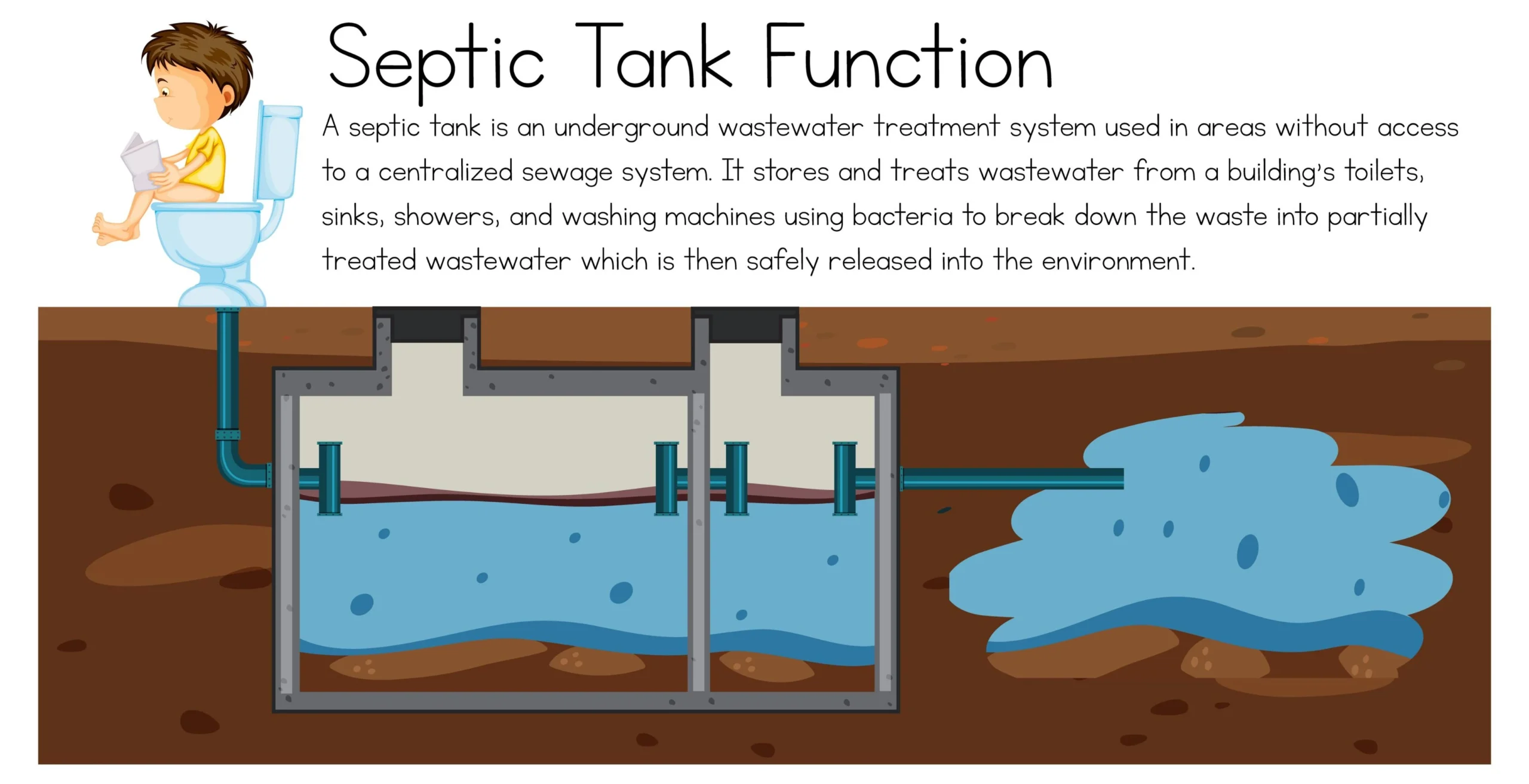
A septic tank is an underground wastewater treatment system commonly used in areas that are not connected to a centralized sewer network. It collects wastewater from toilets, sinks, showers, kitchens, and floor drains.

septic tank function

Inside the tank, wastewater separates into three layers:

  1. Sludge – Heavy solid waste that settles at the bottom.
  2. Scum – Oils, grease, and lighter materials that float on top.
  3. Effluent – Partially treated liquid water in the middle layer.

The effluent flows into a drain field (also known as a soakaway or leach field), where it is filtered naturally through soil. Meanwhile, sludge and scum remain inside the tank. Over time, these layers accumulate and must be removed through septic tank emptying.

Without regular pumping, the tank becomes overloaded, causing system failure.

What Is Septic Tank Emptying?

Septic tank emptying, also called septic tank pumping or desludging, is the process of removing accumulated sludge, scum, and wastewater from the tank using specialized vacuum tankers and pumping equipment.

This service restores the tank’s capacity, prevents overflow, and ensures proper wastewater treatment. Septic tank emptying is not optional; it is a necessary preventive maintenance measure.

Why Septic Tank Emptying Is Necessary

1. Prevents Sewage Backups

When sludge fills a large portion of the tank, wastewater has nowhere to go. As a result, it may back up into sinks, toilets, and floor drains. Sewage backups are not only unpleasant but also hazardous to health.

Routine emptying prevents this scenario.

2. Protects the Drain Field

The drain field plays a critical role in filtering wastewater. If solids escape from an overfilled tank into the drain field, they can clog the soil pores. Once clogged, the drain field may fail completely.

Repairing or replacing a drain field is extremely expensive. Regular septic tank emptying protects this vital component.

3. Eliminates Foul Odors

Decomposing waste produces strong, unpleasant smells. If the septic tank is not emptied regularly, these odors can spread around the property or even indoors.

Professional pumping removes accumulated waste and significantly reduces odor problems.

4. Reduces Health Risks

Septic waste contains bacteria, viruses, and harmful pathogens. Leakage or overflow can contaminate surrounding soil and groundwater, posing serious health risks to residents and nearby communities.

Proper septic tank maintenance ensures safe and hygienic wastewater management.

5. Prevents Structural Damage

Overflowing wastewater can damage flooring, walls, landscaping, and building foundations. In commercial settings, this can disrupt operations and result in costly downtime.

Preventive emptying protects both property and infrastructure.

6. Ensures Environmental Protection

Untreated sewage can pollute groundwater, nearby water bodies, and soil. Environmental contamination may lead to legal consequences and community health concerns.

Routine septic tank emptying supports responsible environmental practices.

How Often Should a Septic Tank Be Emptied?

The frequency depends on several factors:

  • Tank size
  • Number of occupants
  • Daily water usage
  • Waste type
  • Commercial or residential use

General Recommendations:

  • Small households (2–4 people): Every 2–3 years
  • Large households (5+ people): Every 1–2 years
  • Restaurants and commercial kitchens: Every 3–6 months
  • Labor camps or industrial facilities: Based on occupancy and waste volume

High water consumption or improper waste disposal may require more frequent service.

Warning Signs That Your Septic Tank Needs Emptying

Property owners should never ignore early signs of septic issues. Common indicators include:

  • Slow-draining sinks and toilets
  • Gurgling sounds in plumbing
  • Sewage odors indoors or outdoors
  • Water pooling near the tank area
  • Unusually green grass above the septic tank
  • Frequent drain blockages
  • Sewage backups

If any of these signs appear, immediate professional inspection is recommended.

The Septic Tank Emptying Process Explained

Professional septic tank emptying involves a structured and safe procedure.

1. Initial Inspection

Technicians locate the septic tank and inspect sludge levels using measuring tools. They assess overall system condition before starting.

2. Safety Preparation

The area is secured, and proper safety equipment is used. Septic tanks contain toxic gases like methane and hydrogen sulfide, which require careful handling.

3. Opening the Tank

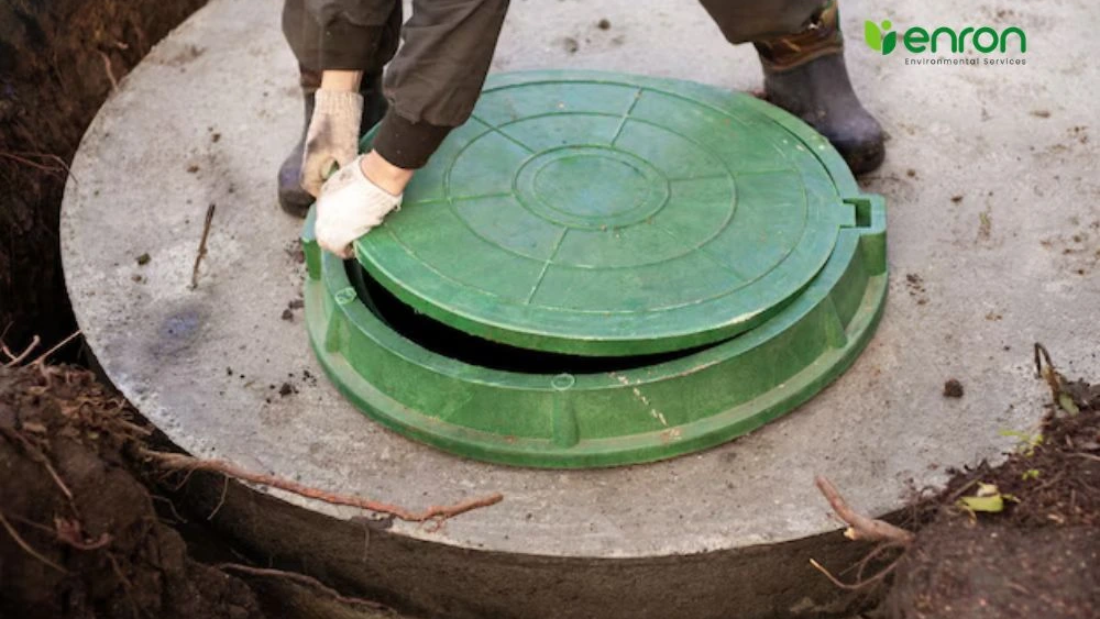
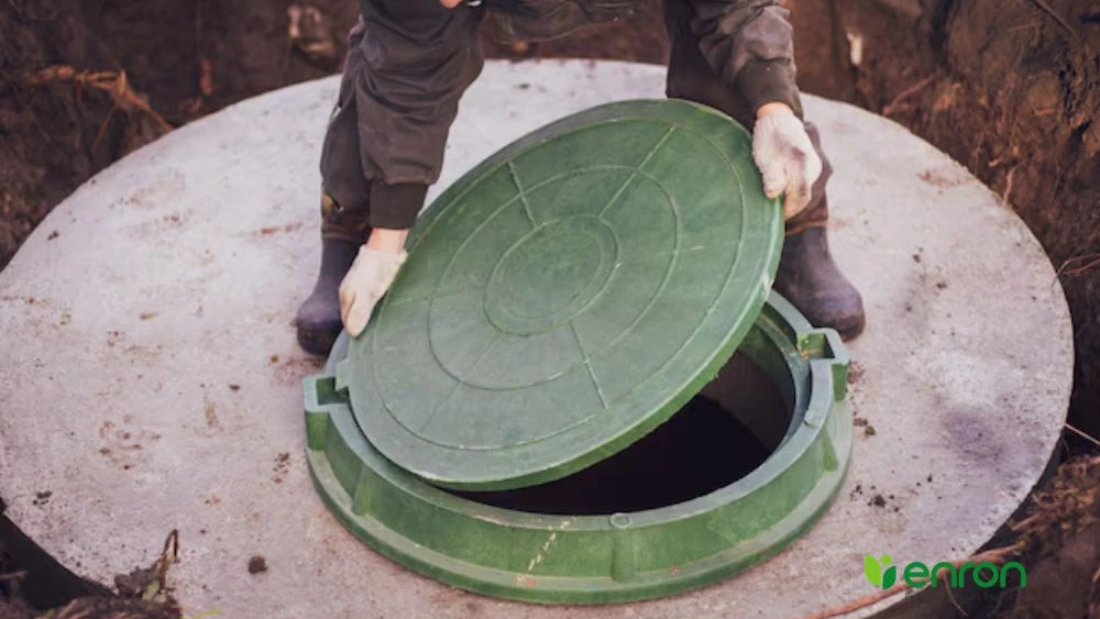
The tank lid is carefully removed to access internal compartments.

4. Vacuum Pumping

A vacuum tanker hose is inserted into the tank. Powerful suction equipment removes sludge, scum, and liquid waste.

5. Cleaning the Tank (If Needed)

In cases of heavy buildup, high-pressure water jetting may be used to clean tank walls and break down stubborn deposits.

6. Final Inspection

Technicians check baffles, pipes, and system components to ensure everything is functioning properly.

7. Proper Waste Disposal

Collected waste is transported to authorized treatment facilities in accordance with environmental regulations.

Residential vs Commercial Septic Tank Systems

Residential Systems

  • Lower waste volume
  • Longer intervals between services
  • Mainly domestic wastewater

Commercial Systems

  • Higher wastewater output
  • Greater grease and solid waste accumulation
  • Strict regulatory requirements
  • Requires more frequent emptying

Restaurants and food businesses often need both septic tank emptying and grease trap cleaning to prevent system overload.

Common Mistakes That Damage Septic Systems

Many septic problems arise from improper usage. Avoid these mistakes:

  • Flushing wipes, diapers, or sanitary products
  • Pouring cooking oil and grease down drains
  • Using excessive chemical cleaners
  • Ignoring routine inspections
  • Attempting DIY septic pumping

Professional servicing is always recommended due to health risks and regulatory standards.

By choosing Enron for septic tank emptying, property owners benefit from:

  • Professional vacuum pumping equipment
  • Experienced and trained technicians
  • Fast response and scheduled maintenance plans
  • Safe and eco-friendly waste disposal
  • Reduced risk of system failure and costly repairs

Regular septic tank emptying by Enron, the best cleaning company in UAE, helps maintain a clean, odor-free, and fully functional wastewater system, providing peace of mind for homeowners and business operators alike.

How to Maintain a Healthy Septic System

Between emptying services, property owners can extend system life by:

  • Conserving water usage
  • Fixing leaking taps and toilets
  • Avoiding the disposal of non-biodegradable waste
  • Installing grease traps in commercial kitchens
  • Scheduling periodic inspections
  • Avoiding heavy vehicle traffic over the tank area

Preventive habits significantly reduce maintenance costs.

Cost of Septic Tank Emptying

Pricing depends on:

  • Tank capacity
  • Waste volume
  • Accessibility of the tank
  • Location
  • Frequency of service
  • Commercial vs residential requirements

Although costs vary, routine maintenance is far more affordable than emergency repairs or system replacement.

Risks of Ignoring Septic Tank Maintenance

Failure to empty septic tanks regularly may result in:

  • Sewage flooding
  • Drain field failure
  • Environmental contamination
  • Health hazards
  • Regulatory penalties
  • Property damage
  • Expensive emergency repairs

Preventive care always costs less than corrective repairs.

Septic Tank Emptying and Regulatory Compliance

Many municipalities require regular septic tank maintenance to protect public health and the environment. Businesses may be required to maintain service records and follow approved disposal methods.

Professional septic tank emptying services ensure compliance with these regulations, reducing the risk of fines or legal action.

The Importance of Choosing a Reliable Service Provider

When selecting a septic tank emptying company, consider:

  • Experience and expertise
  • Proper equipment
  • Licensed operations
  • Compliance with environmental standards
  • Transparent pricing
  • Emergency support availability

Choosing the right service provider ensures safety, efficiency, and long-term system health.

Septic Tank Cleaning Dubai: What UAE Residents Should Know

In the UAE, especially in areas where properties are not fully connected to centralized sewer systems, septic tanks are widely used in villas, labor accommodations, warehouses, restaurants, and industrial zones. Due to high water usage, warm climate conditions, and dense occupancy in some facilities, septic systems in the region require consistent monitoring and maintenance.

For property owners and facility managers, septic tank cleaning Dubai services are essential to prevent unexpected system failures. The hot climate in the UAE can accelerate bacterial activity inside septic tanks, leading to faster sludge accumulation and stronger odors if tanks are not emptied regularly. Additionally, commercial properties such as restaurants generate higher wastewater volumes, requiring more frequent servicing.

Municipal regulations in Dubai and other Emirates emphasize proper wastewater disposal and environmental protection. Hiring professional septic tank cleaning Dubai providers ensures that waste is removed safely and transported to approved treatment facilities in compliance with UAE environmental standards.

Regular septic tank cleaning in Dubai helps residents and businesses:

  • Prevent sewage overflow and foul odors
  • Protect underground infrastructure
  • Maintain hygiene in high-temperature conditions
  • Avoid regulatory penalties
  • Extend the lifespan of septic systems

Given the region’s rapid development and strict environmental policies, routine septic tank maintenance is not just recommended; it is a responsible necessity for property owners across the UAE.

Conclusion

Septic tank emptying is not just a routine task it is an essential component of responsible property maintenance. Whether for residential homes or high-capacity commercial facilities, regular septic pumping protects infrastructure, supports hygiene, ensures environmental safety, and prevents costly repairs.

Ignoring septic tank maintenance can lead to serious consequences, including sewage backups, contamination, structural damage, and regulatory penalties. By scheduling routine inspections and professional emptying services, property owners can maintain a reliable, safe, and efficient wastewater system.

Investing in timely septic tank emptying is a proactive decision that safeguards health, property value, and environmental responsibility.