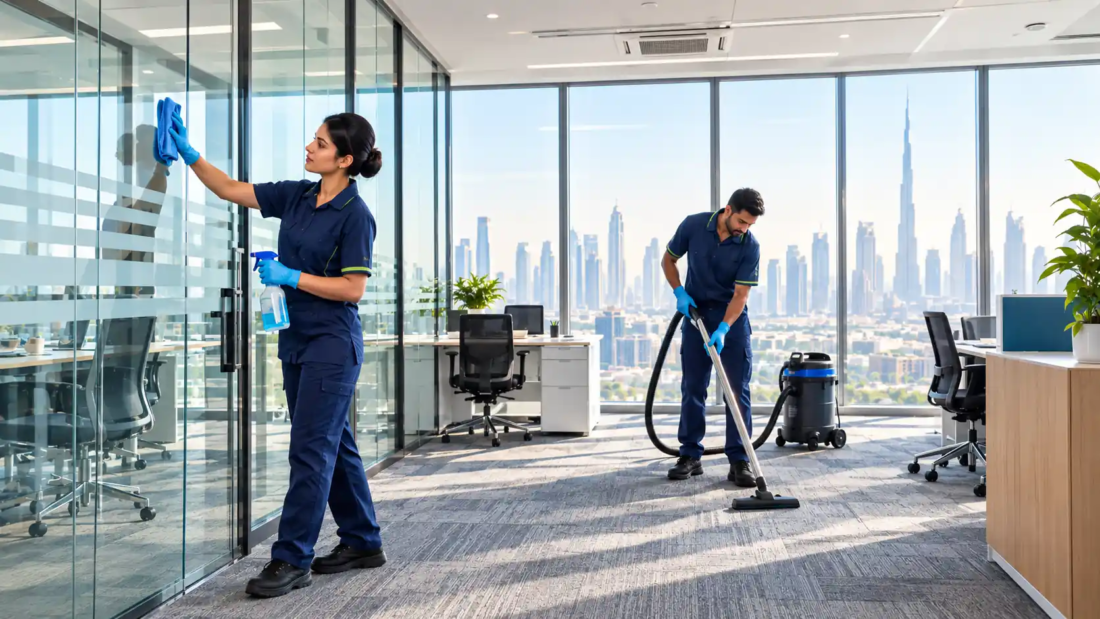

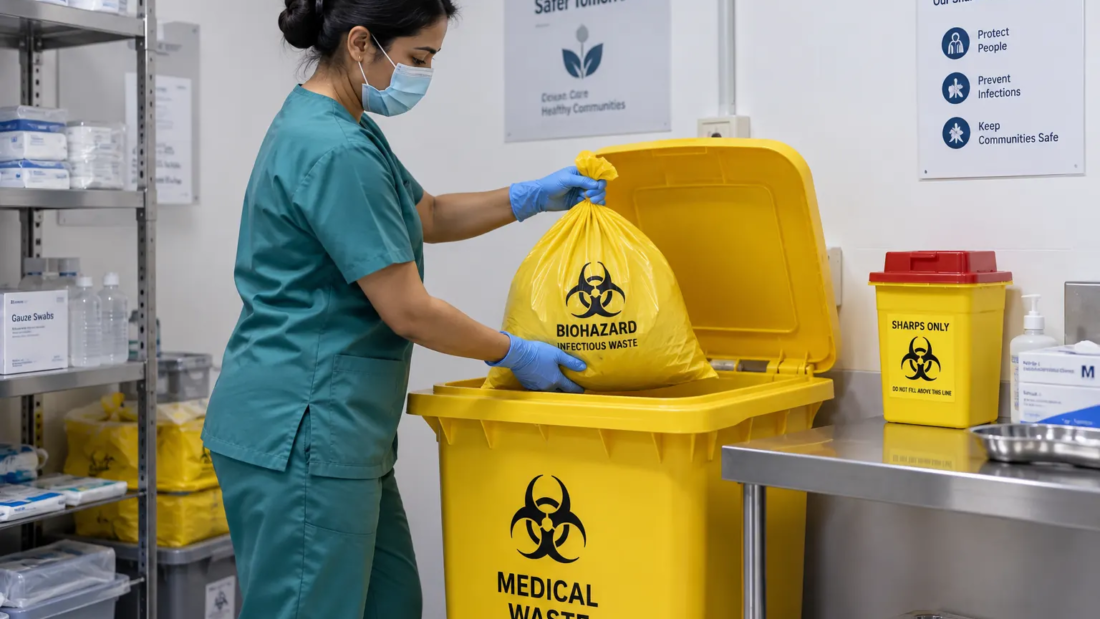
medical waste removal Dubai clinic biohazard disposal

Medical Waste Removal Dubai : 7 Critical Regulations Clinics Must Follow

Medical waste removal Dubai regulations exist for a simple reason: healthcare waste is one of the most hazardous waste categories a business can generate, and mishandling it puts patients, staff, and the wider public at risk. Needles, contaminated dressings, expired pharmaceuticals, and pathological waste all require handling that goes far beyond standard commercial waste disposal.

For clinics, hospitals, dental practices, and laboratories operating in Dubai, understanding and following the regulations around medical waste isn’t optional. Non-compliance can result in fines, license suspension, and serious reputational damage. Here’s what every healthcare facility needs to know.

Why Medical Waste Removal in Dubai Is So Tightly Regulated

Unlike general commercial waste, medical waste can carry infectious agents, sharps injury risks, and hazardous chemical or pharmaceutical residues. Dubai Municipality and the Dubai Health Authority (DHA) enforce strict rules covering how healthcare waste is segregated, stored, transported, and disposed of because a single mishandled batch can expose sanitation workers, waste handlers, or the public to serious health risks.

These regulations apply to any facility that generates healthcare waste, including:

  • Hospitals and private clinics
  • Dental practices
  • Diagnostic laboratories
  • Veterinary clinics
  • Aesthetic and cosmetic treatment centers
  • Home healthcare providers

Proper Waste Segregation at the Source

Medical waste regulations require different categories of waste to be separated at the point of generation, not sorted later. Common categories include:

  • Infectious waste items contaminated with blood or bodily fluids
  • Sharps waste needles, scalpels, and other puncture-risk items
  • Pathological waste tissues, organs, and body parts
  • Pharmaceutical waste expired or unused medications
  • Chemical waste lab reagents and disinfectants
  • General non-hazardous waste packaging and non-contaminated items

Mixing these categories is one of the most common compliance failures inspectors flag

Color-Coded, Labeled Containers

Regulations require specific container types and color coding for each waste category typically yellow bags or bins for infectious waste, puncture-resistant sharps containers, and clearly labeled containers for pharmaceutical and chemical waste. Containers must be labeled with the biohazard symbol, waste type, and generation date where required.

Safe On-Site Storage Requirements

Medical waste can’t simply sit in a back room until collection day. Facilities are required to:

  • Store medical waste in a designated, secure area inaccessible to unauthorized personnel
  • Keep storage areas at appropriate temperatures to limit odor and microbial growth
  • Limit on-site storage time before collection, particularly for infectious and pathological waste
  • Prevent leakage, spillage, or pest access to stored waste

Licensed Transport and Chain-of-Custody Documentation

Medical waste removal Dubai rules require that only licensed, municipality-approved transporters handle the movement of healthcare waste from the facility to an approved treatment or disposal site. Facilities should maintain documentation for every collection, including:

  • Waste manifest or tracking forms noting type and quantity collected
  • Date and time of collection
  • Transporter license details
  • Confirmation of receipt at a licensed treatment facility

This chain-of-custody record is often requested during health authority audits.

Staff Training on Handling Procedures

Regulations typically require that staff who generate or handle medical waste receive training covering:

  • Correct segregation procedures for each waste category
  • Safe handling of sharps to prevent needle-stick injuries
  • Proper use of personal protective equipment (PPE) during waste handling
  • Emergency procedures for spills or exposure incidents

Untrained staff handling waste incorrectly is a common root cause of compliance violations, even when a facility has the right bins and containers in place.

Approved Treatment and Final Disposal Methods

Healthcare waste must be treated using approved methods commonly autoclaving, incineration, or chemical disinfection before final disposal, depending on the waste category. Facilities are generally required to use only licensed waste management providers who can demonstrate their treatment process meets Dubai Municipality and DHA standards.

Regular Compliance Audits and Record-Keeping

Beyond day-to-day handling, regulations expect healthcare facilities to maintain ongoing compliance records, including:

  • Waste generation and collection logs
  • Staff training records
  • Contracts and licenses of waste management providers
  • Incident reports for any spills or handling errors

These records are typically the first thing reviewed during a health authority inspection, and gaps here can trigger deeper scrutiny even when day-to-day handling is otherwise compliant.

What Happens If a Facility Doesn’t Comply

Non-compliance with medical waste regulations in Dubai can result in:

  • Financial penalties from Dubai Municipality or DHA
  • Suspension of operating licenses for repeated or serious violations
  • Increased risk of infection or injury to staff and waste handlers
  • Reputational damage if violations become public

Choosing a Licensed Medical Waste Removal Partner

Given the complexity of the regulations, most clinics and hospitals rely on a specialized waste management partner to handle collection, transport, and disposal in compliance with local law. When evaluating a provider, confirm they offer:

  • Full municipality and DHA licensing for medical waste handling
  • Segregated collection using compliant, color-coded containers
  • Documented chain-of-custody for every collection
  • Transparent reporting suitable for compliance audits
  • Experience across hospitals, clinics, and laboratories of varying sizes

The Bottom Line

Medical waste removal Dubai regulations exist to protect patients, staff, and the public from the unique risks healthcare waste presents. Proper segregation, compliant storage, licensed transport, trained staff, and thorough record-keeping are what separate a compliant facility from one at risk of penalties or worse. For a broader look at how healthcare waste is classified and managed internationally, the World Health Organization’s healthcare waste fact sheet is a useful reference point.

If your facility hasn’t reviewed its medical waste procedures recently, a compliance check with a licensed provider is a reasonable place to start.

Who regulates medical waste removal in Dubai?

Medical waste handling in Dubai falls under the oversight of Dubai Municipality and the Dubai Health Authority (DHA), which set the standards for segregation, storage, transport, and disposal of healthcare waste.

What counts as medical waste in a clinic?

Medical waste includes infectious waste (blood- or fluid-contaminated items), sharps, pathological waste, pharmaceutical waste, and certain chemical waste generated during diagnosis, treatment, or lab work.

Can a clinic dispose of medical waste with regular commercial waste?

No. Medical waste must be segregated at the source and handled separately using licensed transporters and approved treatment methods mixing it with general waste is a common compliance violation.

How often should medical waste be collected from a facility?

Collection frequency depends on waste volume and category, but regulations generally require infectious and pathological waste to be collected before on-site storage limits are exceeded, often within a few days.

What should a facility check before hiring a medical waste removal company?

Confirm the provider holds valid Dubai Municipality and DHA licensing, uses compliant color-coded containers, provides chain-of-custody documentation, and has experience handling healthcare waste specifically not just general commercial waste.

Enron provides municipality-approved medical and hazardous waste removal services for hospitals, clinics, and laboratories across Dubai. Contact us to arrange a compliant waste management plan for your facility.
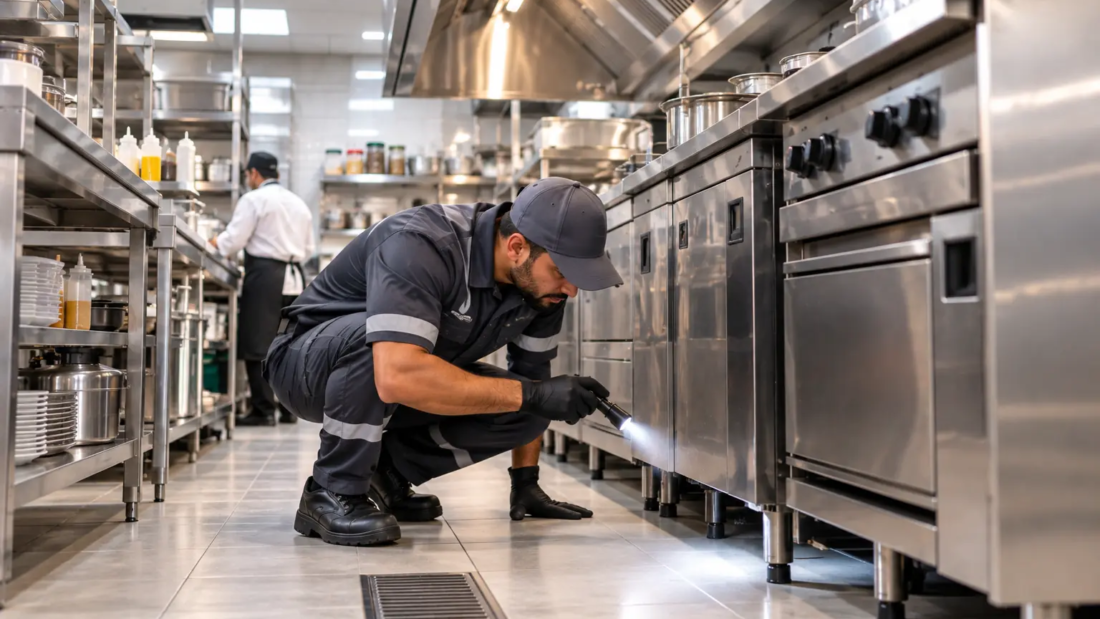
commercial kitchen pest control technician inspecting restaurant equipment

Commercial Kitchen Pest Control: 7 Proven Ways to Stop Cockroaches and Rodents

Commercial kitchen pest control is not something a single spray treatment can solve. Cockroaches and rodents are drawn to commercial kitchens because they offer exactly what pests need to thrive: food, warmth, water, and hiding places. A one-time treatment might kill the pests visible on the day the technician visits, but it does nothing to remove the conditions that attracted them in the first place which means the infestation almost always comes back.

For restaurants, hotels, cafeterias, and catering facilities in Dubai, an ongoing pest problem isn’t just unpleasant. It’s a direct threat to food safety compliance, health inspection scores, and customer trust. This guide covers what real, lasting commercial kitchen pest control actually requires.

Why a One-Time Spray Isn’t Real Commercial Kitchen Pest Control

Chemical sprays kill pests on contact, but they don’t address the root causes of an infestation:

  • Grease and food residue left on equipment, floors, and behind appliances keep feeding new generations of pests
  • Entry points gaps around pipes, doors, and vents stay open even after a treatment
  • Moisture sources, like leaking pipes or condensation, continue to attract roaches and rodents
  • Breeding cycles mean a handful of surviving eggs or a single pregnant rodent can repopulate a kitchen within weeks

Effective commercial kitchen pest control treats the environment, not just the pests visible on the surface.

Understanding the Risk: Cockroaches and Rodents in Commercial Kitchens

Cockroaches and rodents are more than a visual problem. Both carry pathogens on their bodies and in their droppings that can contaminate food prep surfaces, equipment, and stored ingredients. In Dubai, where food businesses are subject to municipality health inspections, evidence of pest activity can result in warnings, fines, or in serious cases, temporary closure.

Warm, humid conditions and the density of restaurants in commercial districts make consistent prevention especially important compared to less pest-prone climates.

Start With Sanitation, Not Chemicals

The single most effective step in commercial kitchen pest control is removing what attracts pests in the first place.

  • Clean under and behind heavy equipment (ovens, fridges, dishwashers) on a regular schedule, not just during deep cleans
  • Wipe down grease build-up on kitchen hoods, exhaust fans, and stovetops daily
  • Empty and clean waste bins at the end of every shift
  • Don’t leave dirty dishes, pots, or food scraps sitting out overnight

Seal Entry Points and Structural Gaps

Cockroaches can fit through gaps as thin as a coin’s edge, and rodents can squeeze through openings the size of a small coin as well.

  • Seal gaps around pipes, cables, and vents entering the building
  • Install door sweeps on all exterior and delivery doors
  • Repair damaged window screens and weather stripping
  • Check delivery areas regularly, since pests often enter hidden in supply boxes

Manage Grease and Food Waste Correctly

Grease build-up is one of the biggest and most overlooked attractants for cockroaches in commercial kitchens. A kitchen with a poorly maintained grease trap or greasy exhaust system is effectively feeding an infestation.

  • Schedule regular grease trap cleaning to prevent grease build-up from attracting pests
  • Keep kitchen hoods and duct systems free of grease accumulation
  • Store food waste in sealed, pest-proof containers
  • Arrange for waste to be collected frequently rather than left to accumulate

Control Moisture and Standing Water

Cockroaches in particular can survive longer without food than without water. Standing water anywhere in a kitchen is an open invitation.

  • Fix leaking pipes, taps, and dishwasher connections promptly
  • Dry sinks, drainage areas, and floor mats at the end of each shift
  • Ensure floor drains and sewage and drainage systems are functioning properly and not backing up
  • Avoid letting condensation collect under refrigeration units

Store Food and Supplies Properly

Poor storage practices give pests both food and shelter in one place.

  • Store dry goods in sealed, elevated containers rather than open bags on the floor
  • Rotate stock using a first-in, first-out system to avoid forgotten, decaying items
  • Inspect incoming deliveries for signs of pest activity before bringing them into storage
  • Keep storage areas organized so staff can spot early signs of infestation

Schedule Routine Professional Inspections

Prevention works best when problems are caught early, before an infestation becomes visible to staff or customers.

  • Arrange scheduled inspections rather than waiting for a visible problem
  • Ask your provider to check high-risk areas: behind equipment, under sinks, storage rooms, and entry points
  • Keep a record of inspection findings to track recurring problem areas
  • Address any structural or maintenance issues an inspection reveals promptly

Partner With a Licensed Provider for Ongoing Commercial Kitchen Pest Control

Sustainable commercial kitchen pest control depends on a long-term partnership, not a single visit. A licensed provider will combine treatment with monitoring and prevention advice tailored to your kitchen’s layout and risk areas.

When choosing a provider, confirm they offer:

  • Licensed, municipality-approved pest control services
  • Integrated pest management (IPM) rather than chemical-only treatment
  • Regular monitoring and follow-up visits, not one-off call-outs
  • Documentation suitable for health inspections and compliance records

Signs Your Kitchen Needs Immediate Pest Control Attention

Don’t wait for a visible infestation to act. Contact a professional if you notice:

  • Droppings near food storage, equipment, or baseboards
  • Grease marks or rub marks along walls and skirting (a sign of rodent activity)
  • An unusual, musty odor in storage or prep areas
  • Live or dead pests, especially during daylight hours (a sign of a larger hidden population)
  • Chewed packaging, wiring, or structural materials

The Bottom Line

Commercial kitchen pest control is an ongoing process, not a one-time fix. Sanitation, sealed entry points, proper grease and waste management, moisture control, correct food storage, and routine professional inspections work together to keep cockroaches and rodents out for good protecting both your food safety compliance and your reputation. For general guidance on pest-related food safety risks, the FDA’s Food Code resource on pest management is a useful reference point, even for kitchens operating outside the US.

If your kitchen has dealt with recurring pest issues despite past treatments, it’s a sign the underlying conditions haven’t been addressed not that pest control doesn’t work.

FAQ

How often should a commercial kitchen have pest control treatment?

Most commercial kitchens benefit from monthly inspections and treatment, though high-risk kitchens (heavy grease use, older buildings, dense commercial districts) may need more frequent visits.

Why do cockroaches keep coming back after treatment?

If grease, food residue, moisture, or entry points aren’t addressed, a kitchen remains attractive to new pests even after existing ones are eliminated. Lasting control requires fixing the underlying conditions, not just repeated spraying.

Can grease trap problems really cause a pest infestation?

Yes. A poorly maintained grease trap or greasy exhaust system provides a steady food source for cockroaches, making regular grease trap and duct cleaning an important part of prevention.

Is chemical spraying safe to use in a working kitchen?

Licensed pest control providers use food-safe application methods and integrated pest management techniques designed to protect food prep areas, but scheduling and product selection should always be handled by a certified professional.

What’s the difference between pest control and pest prevention?

Pest control typically refers to treating an active infestation, while prevention involves the ongoing sanitation, maintenance, and monitoring practices that stop infestations from starting in the first place. Effective commercial kitchen pest control requires both.

Enron Cleaning Company provides municipality-approved pest control services, grease trap cleaning, and kitchen hood and duct cleaning for restaurants and commercial kitchens across Dubai. Contact us to schedule an inspection.

villa septic tank maintenance

Villa Septic Tank Maintenance in Dubai: 7 Proven Tips

Villa septic tank maintenance is something most Dubai homeowners never think about until something goes wrong. Unlike apartments connected to a central municipal sewage network, many villas especially in areas like Al Barsha, Arabian Ranches, The Springs, and outlying communities not yet linked to Dubai’s main sewer line rely on individual septic tanks or holding tanks to manage wastewater.

A septic system that’s neglected doesn’t just fail quietly. It backs up into bathrooms, floods gardens with waste, attracts pests, and can cost thousands of dirhams to repair or replace. The good news is that consistent villa septic tank maintenance can keep a system running smoothly for decades. Here’s what villa owners need to know.

Why Septic Systems Are Under Extra Strain in Dubai

Dubai’s climate and lifestyle put unique pressure on septic systems compared to cooler, less densely populated regions:

  • Extreme heat speeds up bacterial activity in the tank, which can be good or bad depending on the balance of waste inside.
  • High water usage from irrigation, pools, and larger households with domestic staff increases the volume flowing into the tank daily.
  • Sandy, low-permeability soil in some areas means drain fields absorb wastewater more slowly than expected.
  • Villa size and occupancy often exceed what a standard-sized tank was designed for, especially in older properties that have been extended or have more residents than the original plan accounted for.

These factors mean villa owners often need to service their systems more proactively than a generic maintenance guide would suggest.

Schedule Regular Professional Pumping: The Core of Villa Septic Tank Maintenance

The single biggest factor in septic system lifespan is how often solid waste (sludge) is removed. Left unchecked, sludge builds up, reduces the tank’s effective capacity, and eventually flows into the drain field or leach pit where it can cause expensive, sometimes irreversible damage.

General guidance for Dubai villas:

  • Average household (4–6 people): every 3–6 months
  • Larger households or villas with staff quarters: every 2–3 months
  • Villas with garbage disposals or heavy kitchen waste: more frequent pumping

A professional septic tank cleaning company can assess your specific tank size, household size, and usage pattern to recommend an accurate schedule rather than relying on generic timelines..

Watch What Goes Down the Drain

Septic systems rely on bacteria to break down organic waste. Certain household habits disrupt this balance and accelerate wear:

Avoid flushing or draining:

  • Cooking oil and grease
  • Wet wipes, sanitary products, or diapers (even ones labeled “flushable”)
  • Harsh chemical drain cleaners
  • Large quantities of bleach or disinfectant
  • Coffee grounds, eggshells, or fibrous food scraps
  • Paint, solvents, or motor oil

Grease is a particularly common issue in villa kitchens it solidifies inside pipes and tanks, restricting flow and creating blockages that mimic grease trap problems seen in commercial kitchens. Chens it solidifies inside pipes and tanks, restricting flow and creating blockages that mimic grease trap problems seen in commercial kitchens.

Manage Water Usage Efficiently

Every liter that goes down a drain eventually reaches the septic tank. Overloading the system doesn’t just fill it faster it can prevent solids from settling properly, pushing waste further into the drain field before it’s broken down.

Practical steps:

  • Fix leaking taps and running toilets promptly
  • Spread out laundry loads across the week instead of running several in one day
  • Install water-efficient fixtures where possible
  • Route pool backwash and excess irrigation runoff away from the septic system where feasible

Protect the Drain Field

The drain field (or leach pit) is where treated wastewater disperses into the soil. Damage here is often more expensive to fix than tank issues.

To protect it:

  • Never park cars, build structures, or place heavy landscaping features over the drain field
  • Avoid planting trees with invasive root systems nearby roots seek out moisture and can crack pipes
  • Keep irrigation systems from oversaturating the same ground the drain field uses
  • Watch for soggy patches, unusual odors, or unusually green grass over the area these can signal a leak or failure

Get Regular Inspections, Not Just Pumping

Pumping removes sludge, but it doesn’t tell you the condition of the tank itself. Cracks, corrosion, damaged baffles, or a failing drain field can develop even between pumping cycles.

A proper inspection typically checks:

  • Tank structural integrity
  • Inlet and outlet baffle condition
  • Sludge and scum layer levels
  • Signs of leakage or backup
  • Drain field drainage performance

For villas, an annual inspection alongside routine pumping catches small problems like a cracked baffle before they become full system failures..

Know the Warning Signs of a Failing System

Villa owners who catch problems early avoid the most expensive repairs. Watch for:

  • Slow-draining sinks, showers, or toilets throughout the house (not just one fixture)
  • Gurgling sounds in pipes
  • Sewage odor near the tank, drain field, or indoors
  • Standing water or unusually lush grass over the tank or drain field
  • Sewage backing up into the lowest drains in the house

Any of these warrant a call to a professional septic cleaning service before the issue worsens especially before it results in a backup inside the home..

Use a Municipality-Approved Service Provider

Dubai Municipality regulates septic tank cleaning and waste transport to ensure waste is collected and disposed of safely and legally. Using an approved provider isn’t just about compliance — unlicensed operators may dump waste improperly, use inadequate equipment, or fail to identify tank damage during service.

When choosing a provider, villa owners should confirm:

  • Municipality approval and licensing
  • Proper vacuum truck equipment for complete sludge removal
  • Experience with villa-scale (not just commercial) systems
  • Willingness to flag inspection concerns, not just pump and leave

The Bottom Line

A septic system is easy to ignore because it’s buried and out of sight until it isn’t. For Dubai villa owners, the combination of heat, water usage, and soil conditions means septic tanks work harder than in most other climates. Consistent villa septic tank maintenance regular pumping, mindful water and waste habits, drain field protection, and professional inspections is what separates a system that lasts 25+ years from one that fails within a decade.

If it’s been more than six months since your last service, it’s worth scheduling an inspection now a small maintenance cost today is far cheaper than an emergency repair or full system replacement later. For general reference on how septic systems work and why upkeep matters, the U.S. EPA’s homeowner septic system guide is a useful resource, even for those maintaining a system in Dubai’s climate.

FAQ

How often should a villa septic tank be pumped in Dubai?

Most villa households need pumping every 3–6 months, but larger families, homes with staff quarters, or properties with heavy kitchen waste may need service every 2–3 months. A professional provider can assess your tank size and usage to set an accurate schedule.

What are the signs that a septic tank needs to be cleaned?

Slow drains throughout the house, gurgling pipes, sewage odors near the tank or indoors, standing water or unusually green grass over the drain field, and backups in the lowest drains are all signs the tank needs attention.

Can I use regular drain cleaning chemicals on a septic system?

No. Harsh chemical drain cleaners and excessive bleach kill the bacteria that break down waste in the tank, disrupting the system’s natural treatment process and shortening its lifespan.

How long does a septic tank last with proper maintenance?

With regular pumping, mindful water usage, and annual inspections, a well-maintained septic tank can last 25 years or more. Neglected systems often fail within a decade.

Is it necessary to hire a municipality-approved company for septic cleaning?

Yes. Dubai Municipality regulates septic waste collection and disposal to ensure it’s handled safely and legally. Approved providers also bring proper vacuum equipment and are more likely to catch tank or drain field damage during service.

Enron Cleaning Company provides municipality-approved septic tank cleaning, water tank cleaning, and sewage & drainage services for villas and residential properties across Dubai. Contact us to schedule an inspection or service.

Commercial deep cleaning Dubai technician cleaning an office AC vent

Commercial Deep Cleaning Dubai: 5 Signs You’re Overdue

Commercial deep cleaning Dubai businesses rely on isn’t a once-a-year formality the climate makes it an operational necessity. Between fine desert dust that gets pulled into HVAC systems, humidity that speeds up mold and bacteria growth, and heavy air-conditioning use that recirculates the same air for months, a commercial space in Dubai gets dirty faster than one in almost any other climate.

Most businesses default to a routine cleaning schedule and treat deep cleaning as an afterthought. That gap is where problems build up behind vents, under equipment, inside carpets and upholstery — long before it’s visible to the eye. This guide breaks down how often commercial deep cleaning Dubai spaces actually need, and what happens when that schedule slips..

Why Dubai’s Climate Changes the Deep Cleaning Timeline

Dust Infiltration

Dubai’s desert environment means fine sand and dust particles work their way into buildings constantly, settling into carpets, upholstery, air ducts, and hard-to-reach corners far faster than in temperate climates. Surface cleaning removes what’s visible; commercial deep cleaning Dubai buildings need is what actually clears embedded dust from fabric and ventilation systems.

Humidity and Mold Risk

Even with heavy air-conditioning, humidity levels inside Dubai buildings can create ideal conditions for mold and bacteria in damp or poorly ventilated areas bathrooms, kitchens, and around AC units in particular. Regular surface wiping doesn’t reach the buildup that forms behind fixtures and inside vents

Constant Air Conditioning Use

Because AC units run almost year-round, they recirculate air and everything in it far more than seasonal systems elsewhere. Ducts, filters, and vents accumulate dust and allergens that get redistributed through the space until they’re professionally cleaned.

Recommended Deep Cleaning Frequency by Space Type

Offices

Exact timelines vary, but here’s a realistic baseline for commercial deep cleaning Dubai businesses across different industries.

Restaurants and Food Service

Kitchens and dining areas need deep cleaning on a monthly basis at minimum, given the direct link between grease buildup, pest risk, and food safety compliance this is also one of the areas Dubai Municipality inspectors scrutinize most closely.

Retail Spaces

High-footfall retail environments benefit from deep cleaning every 2 to 3 months, with more frequent attention to entrances, flooring, and fitting rooms where dust and dirt accumulate fastest.

Warehouses and Industrial Facilities

Given dust, debris, and equipment residue, industrial spaces typically need deep cleaning every 1 to 2 months, with waste and hazardous material handling built into the same visit.

Healthcare and Educational Facilities

These environments carry the highest hygiene stakes and generally require deep cleaning on a monthly basis, with some high-traffic or clinical areas needing it more often.

Signs Your Space Is Overdue for a Deep Clean

Lingering odors that routine cleaning doesn’t resolve
Visible dust buildup around AC vents or on upholstery
A noticeable difference in air quality after the space has been closed overnight
Staff reporting more frequent allergy symptoms or respiratory irritation
Carpets or floors that look dull despite regular vacuuming or mopping

What Happens When Deep Cleaning Gets Skipped

Skipping commercial deep cleaning Dubai businesses need doesn’t just affect appearance. Dust and allergens circulating through HVAC systems can affect employee health and productivity, while grease and grime buildup in food service settings raises both health risks and the odds of failing a Dubai Municipality cleaning inspection. Neglected deep cleaning can also shorten the lifespan of carpets, upholstery, and HVAC equipment, turning a routine service cost into a more expensive replacement down the line.

Dubai’s own climate data from the National Center of Meteorology shows why: extended periods of high heat and humidity accelerate wear on both air quality and interior surfaces compared to more temperate climates.

Building a Deep Cleaning Schedule That Fits Your Space

Here’s how to put together a commercial deep cleaning Dubai schedule that actually matches your space instead of guessing.

Start with an assessment

Foot traffic, industry type, and building age all affect how often commercial deep cleaning Dubai facilities need it a generic schedule rarely fits every space.

Factor in AC and duct cleaning

Given how much Dubai buildings rely on air conditioning, vent and duct cleaning should be part of any deep cleaning visit, not a separate add-on that gets skipped.

Adjust seasonally

Deep cleaning frequency can increase slightly during peak summer months, when AC systems run hardest and dust infiltration is at its worst.

Work with a provider who documents the schedule.

Beyond the cleaning itself, having dated records of deep cleaning visits supports compliance if your business is ever asked to produce them. Enron’s commercial cleaning services build this documentation into every contract.

Commercial Deep Cleaning Dubai

In Dubai’s climate, deep cleaning isn’t a luxury service it’s what keeps dust, humidity, and constant AC use from quietly wearing down air quality, furnishings, and compliance standing. The right frequency depends on your industry and foot traffic, but waiting until problems are visible almost always means dealing with a bigger, costlier issue than if it had been addressed on schedule.
Enron Cleaning Company in Dubai builds deep cleaning schedules around your specific space and industry, with documented visits that support both facility upkeep and compliance needs. Contact Enron to set up a deep cleaning plan suited to your business.

Is deep cleaning different from regular commercial cleaning?

Yes routine cleaning covers daily and weekly surface-level upkeep, while deep cleaning addresses buildup in carpets, upholstery, vents, and hard-to-reach areas that routine cleaning doesn’t reach

How long does a commercial deep clean typically take?

It depends on the size and type of space, but a standard office deep clean usually takes a few hours to a full day, while larger facilities or industrial sites may need multiple days.

Does deep cleaning need to happen outside business hours?

Most providers schedule deep cleaning after hours or on weekends to avoid disrupting operations, though smaller spaces can sometimes be done in sections during the day.

Can deep cleaning frequency be reduced with better daily maintenance?

Good daily and weekly cleaning helps, but Dubai’s climate factors — dust, humidity, and constant AC use mean deep cleaning frequency can’t be eliminated entirely, only optimized.

Is duct and AC vent cleaning included in a standard deep clean?

It varies by provider, so it’s worth confirming upfront given how much Dubai’s climate relies on air conditioning, this should be a standard part of any deep cleaning package, not an optional extra.