Industrial Hygiene: A Complete Guide

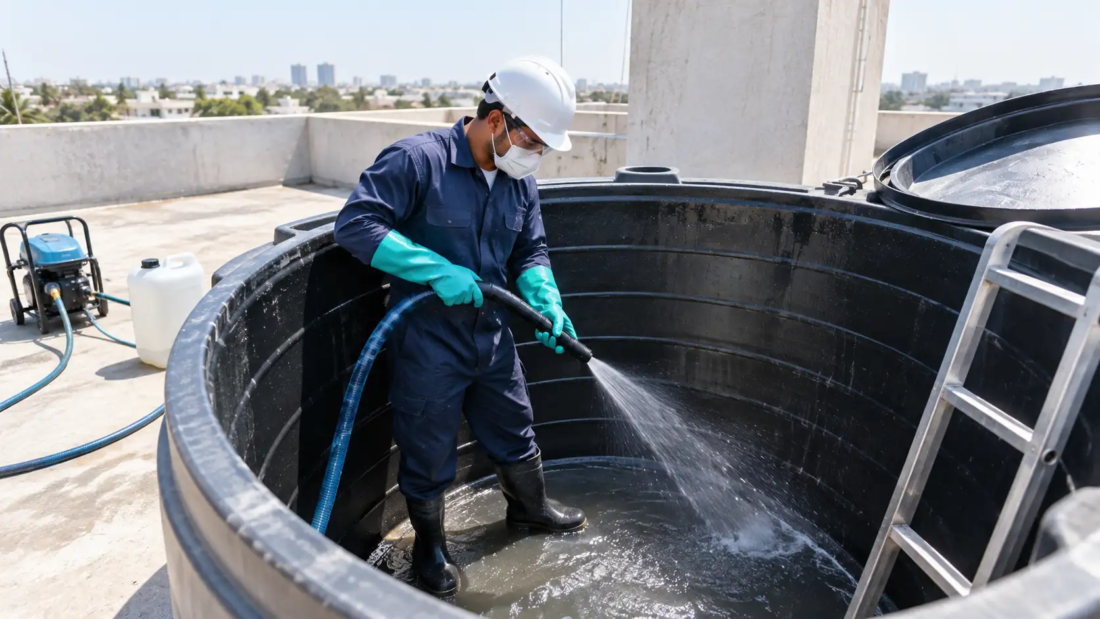
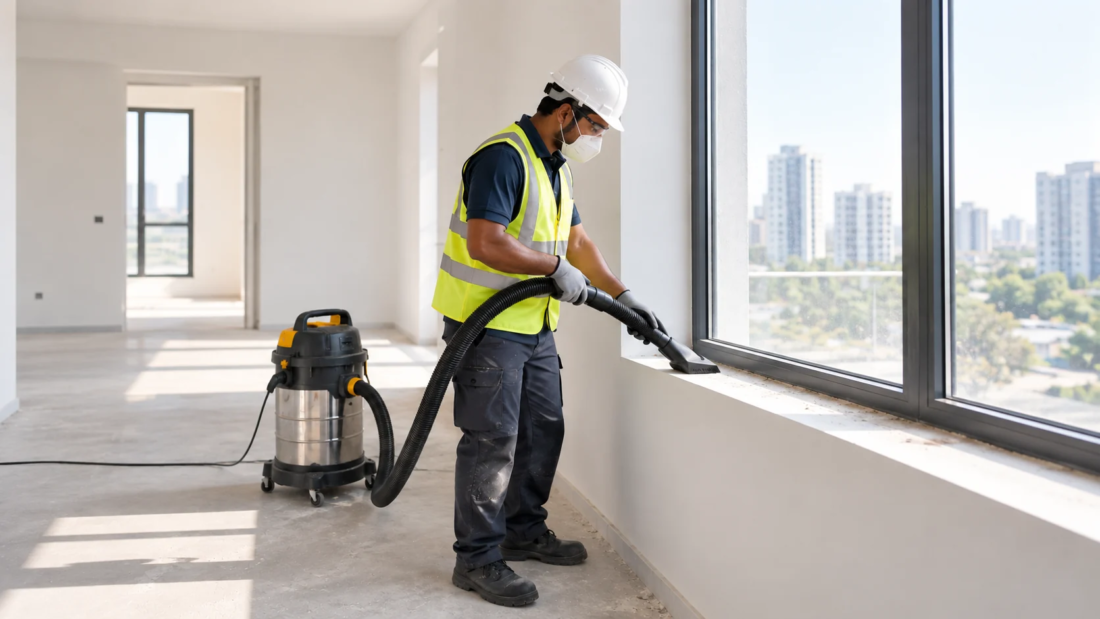
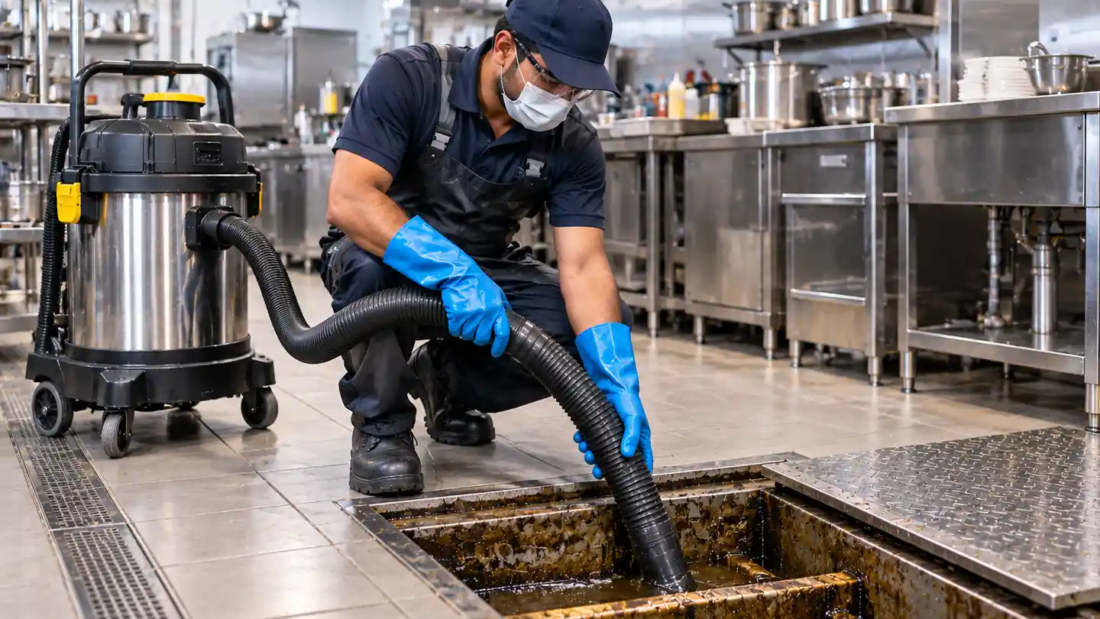
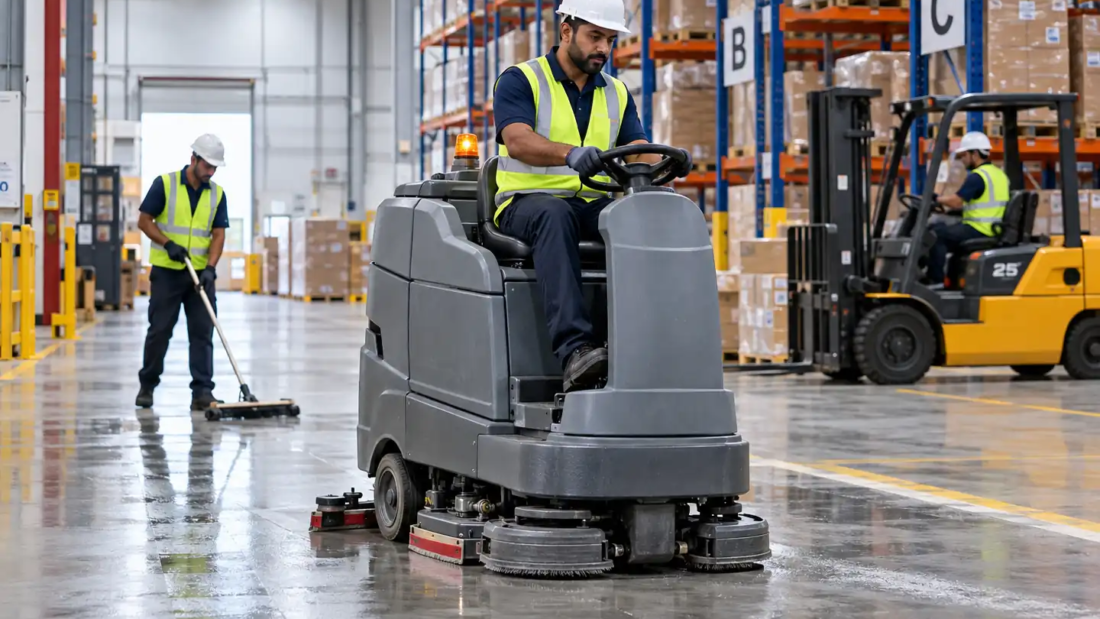
Industrial Hygiene: A Complete Guide to Creating Safe and Healthy Workplaces

Workplace safety is a critical aspect of every industry. Whether it is a manufacturing facility, warehouse, construction site, laboratory, or commercial establishment, employees are exposed to various environmental hazards that can affect their health and productivity. This is where industrial hygiene plays an important role.

Industrial hygiene focuses on identifying, evaluating, and controlling workplace hazards that may cause illness, injury, or discomfort. By implementing proper industrial hygiene practices, organizations can create safer working environments, improve employee wellbeing, and comply with health and safety regulations.

This comprehensive guide explains what industrial hygiene is, why it is important, its key components, common workplace hazards, and best practices for maintaining a healthy industrial environment.

What Is Industrial Hygiene?

Industrial hygiene is the science and practice of anticipating, recognizing, evaluating, and controlling workplace environmental factors that may negatively affect workers’ health.

The primary goal of industrial hygiene is to prevent occupational illnesses and create a safe work environment.

Industrial hygiene professionals assess workplace conditions and implement measures to reduce exposure to hazards such as:

  • Dust
  • Chemicals
  • Noise
  • Biological contaminants
  • Heat stress
  • Poor ventilation
  • Ergonomic risks

Industrial hygiene is an essential part of workplace health and safety management.

Why Is Industrial Hygiene Important?

Employees spend a significant portion of their lives at work. Exposure to harmful workplace conditions can lead to both short-term and long-term health issues.

Industrial hygiene helps organisations:

  • Protect employee health
  • Reduce workplace accidents
  • Improve productivity
  • Maintain regulatory compliance
  • Lower healthcare costs
  • Minimize absenteeism
  • Enhance workplace morale

A healthy workforce contributes to improved operational efficiency and business performance.

Objectives of Industrial Hygiene

Industrial hygiene programs aim to:

Identify Hazards

Recognise potential health risks in the workplace.

Assess Exposure

Evaluate the level of employee exposure to harmful substances or conditions.

Control Risks

Implement measures to eliminate or reduce workplace hazards.

Monitor Conditions

Continuously review workplace environments to ensure ongoing safety.

Promote Worker Health

Create conditions that support long-term employee wellbeing.

Common Workplace Hazards Addressed by Industrial Hygiene

Industrial hygiene focuses on a variety of hazards that can affect workers.

1. Chemical Hazards

Chemical exposure is one of the most common industrial hygiene concerns.

Examples include:

Workers exposed to hazardous chemicals may experience respiratory issues, skin irritation, or long-term health complications.

Prevention Measures

  • Proper storage of chemicals
  • Use of protective equipment
  • Adequate ventilation
  • Employee training

2. Physical Hazards

Physical hazards are environmental factors that can affect employee health.

Examples include:

  • Excessive noise
  • Vibration
  • Radiation
  • Extreme temperatures
  • Poor lighting

Long-term exposure can result in hearing loss, stress, fatigue, and other health issues.

Prevention Measures

  • Noise control systems
  • Hearing protection
  • Temperature regulation
  • Workplace monitoring

3. Biological Hazards

Biological hazards involve exposure to living organisms or biological materials.

Examples include:

  • Bacteria
  • Viruses
  • Mold
  • Fungi
  • Wastewater contaminants

These hazards are common in healthcare facilities, waste management operations, and food processing environments.

Prevention Measures

  • Proper sanitation
  • Disinfection procedures
  • Personal protective equipment
  • Waste management programs

4. Ergonomic Hazards

Ergonomic hazards arise from repetitive motions, poor workstation design, or improper lifting techniques.

Examples include:

  • Repetitive strain injuries
  • Back pain
  • Musculoskeletal disorders

Prevention Measures

  • Ergonomic workstations
  • Employee training
  • Proper lifting techniques
  • Equipment adjustments

5. Air Quality Hazards

Poor indoor air quality can negatively affect worker health and productivity.

Sources include:

  • Dust
  • Smoke
  • Chemical vapors
  • Poor ventilation

Prevention Measures

  • Ventilation systems
  • Air filtration
  • Regular cleaning
  • Dust control measures

Key Elements of an Industrial Hygiene Program

A successful industrial hygiene program consists of several essential components.

Hazard Identification

The first step is identifying potential workplace hazards.

This may involve:

  • Workplace inspections
  • Risk assessments
  • Employee feedback
  • Safety audits

Early identification helps prevent future problems.

Exposure Assessment

Industrial hygienists measure worker exposure levels using specialized equipment.

Assessments may include:

  • Air quality monitoring
  • Noise level testing
  • Chemical exposure measurements

The collected data helps determine whether corrective actions are necessary.

Risk Control Measures

After identifying hazards, organizations must implement controls.

The hierarchy of controls typically includes:

Elimination

Remove the hazard entirely.

Substitution

Replace hazardous materials with safer alternatives.

Engineering Controls

Use equipment or system modifications to reduce exposure.

Administrative Controls

Implement workplace procedures and training.

Personal Protective Equipment (PPE)

Provide workers with protective gear when necessary.

Workplace Monitoring

Regular monitoring ensures safety measures remain effective.

Monitoring may include:

  • Air quality testing
  • Noise assessments
  • Equipment inspections
  • Environmental evaluations

Continuous monitoring supports long-term workplace health.

The Role of Cleaning in Industrial Hygiene

Professional cleaning plays a vital role in maintaining industrial hygiene standards.

Dust, waste materials, chemical residues, and contaminants can accumulate in industrial facilities over time.

Regular cleaning helps:

  • Improve air quality
  • Reduce contamination risks
  • Minimize slip and fall hazards
  • Enhance workplace safety
  • Maintain equipment efficiency

Industrial cleaning is often a key component of a comprehensive industrial hygiene strategy.

Industrial Hygiene in Manufacturing Facilities

Manufacturing environments often contain numerous workplace hazards.

Common concerns include:

  • Dust generation
  • Machinery noise
  • Chemical exposure
  • Heat stress
  • Industrial waste

Effective industrial hygiene programs help protect workers while ensuring smooth production operations.

Industrial Hygiene in Warehouses

Warehouses may appear less hazardous than factories, but they still present several risks.

Examples include:

  • Dust accumulation
  • Poor ventilation
  • Equipment emissions
  • Ergonomic strain

Regular cleaning and workplace monitoring help maintain a safer environment.

Benefits of Industrial Hygiene

Organisations that invest in industrial hygiene often experience significant advantages.

Improved Employee Health

Reduced exposure to harmful conditions helps prevent occupational illnesses.

Increased Productivity

Healthy employees are generally more productive and focused.

Reduced Absenteeism

Fewer health-related issues result in lower absenteeism rates.

Enhanced Regulatory Compliance

Industrial hygiene programs help businesses meet workplace safety requirements.

Lower Operating Costs

Preventing accidents and illnesses reduces medical expenses and compensation claims.

Industrial Hygiene and UAE Workplaces

The UAE’s industrial sector includes manufacturing plants, logistics facilities, warehouses, construction sites, and processing plants.

Environmental conditions such as:

  • High temperatures
  • Dust exposure
  • Industrial activity

can increase workplace hygiene challenges.

Regular industrial cleaning, proper ventilation, and hazard monitoring are essential for maintaining healthy work environments across the UAE.

Businesses that prioritise industrial hygiene often achieve better safety performance and operational efficiency.

How Enron Supports Industrial Hygiene Standards

Maintaining industrial hygiene requires more than safety procedures; it also requires professional cleaning and facility maintenance.

Enron provides industrial cleaning solutions designed to support workplace hygiene and safety standards across Dubai and the UAE.

Services may include:

  • Industrial facility cleaning
  • Warehouse cleaning
  • Waste management support
  • Deep cleaning services
  • High-level cleaning
  • Environmental cleaning

By helping businesses maintain cleaner and safer environments, Enron supports industrial hygiene initiatives that protect employees and improve workplace conditions. As the best cleaning company in UAE, Enron is here for the complete solution.

Best Practices for Maintaining Industrial Hygiene

Organizations can strengthen their industrial hygiene programs by:

  • Conducting regular workplace inspections
  • Implementing hazard control measures
  • Providing employee training
  • Maintaining proper ventilation
  • Scheduling routine industrial cleaning
  • Monitoring workplace conditions
  • Encouraging safety awareness

A proactive approach helps prevent health risks before they become serious problems.

Conclusion

Industrial hygiene is a vital component of workplace health and safety. By identifying, evaluating, and controlling environmental hazards, businesses can create safer and healthier environments for employees.

From managing chemical exposure and air quality to implementing proper cleaning and waste management practices, industrial hygiene helps reduce risks while improving productivity and compliance.

For industries across the UAE, maintaining strong industrial hygiene standards is essential for protecting workers, supporting operational efficiency, and building a culture of safety. Through regular monitoring, preventive measures, and professional cleaning support, organizations can ensure healthier workplaces throughout the year.

Industrial cleaning vs commercial cleaning in Dubai

Industrial Cleaning vs Commercial Cleaning: What’s the Difference?

Maintaining a clean environment is essential for every business, regardless of its size or industry. However, not all cleaning services are the same. In this blog, we will explore the topic of industrial cleaning vs commercial cleaning and examine the key differences between these two services. While both focus on cleanliness, safety, and hygiene, they serve different types of facilities and involve distinct cleaning methods, equipment, and requirements.

Understanding the difference between industrial cleaning and commercial cleaning can help business owners choose the right service for their facility. This comprehensive guide explains what each service includes, its key differences, its benefits, and how to determine which one is suitable for your business.

What Is Commercial Cleaning?

Commercial cleaning refers to professional cleaning services provided for business environments where employees, customers, and visitors regularly interact. The primary goal is to maintain a clean, organized, and hygienic workplace that supports productivity and creates a positive impression. Choosing a reliable building cleaning company in Dubai is essential for maintaining property value, hygiene standards, and a positive first impression.

Commercial cleaning is commonly performed in:

  • Office buildings
  • Retail stores
  • Shopping malls
  • Educational institutions
  • Healthcare clinics
  • Hotels
  • Restaurants
  • Banks
  • Corporate facilities

Commercial cleaning usually focuses on visible cleanliness, sanitation, and routine maintenance.

Services Included in Commercial Cleaning

Commercial cleaning services often include:

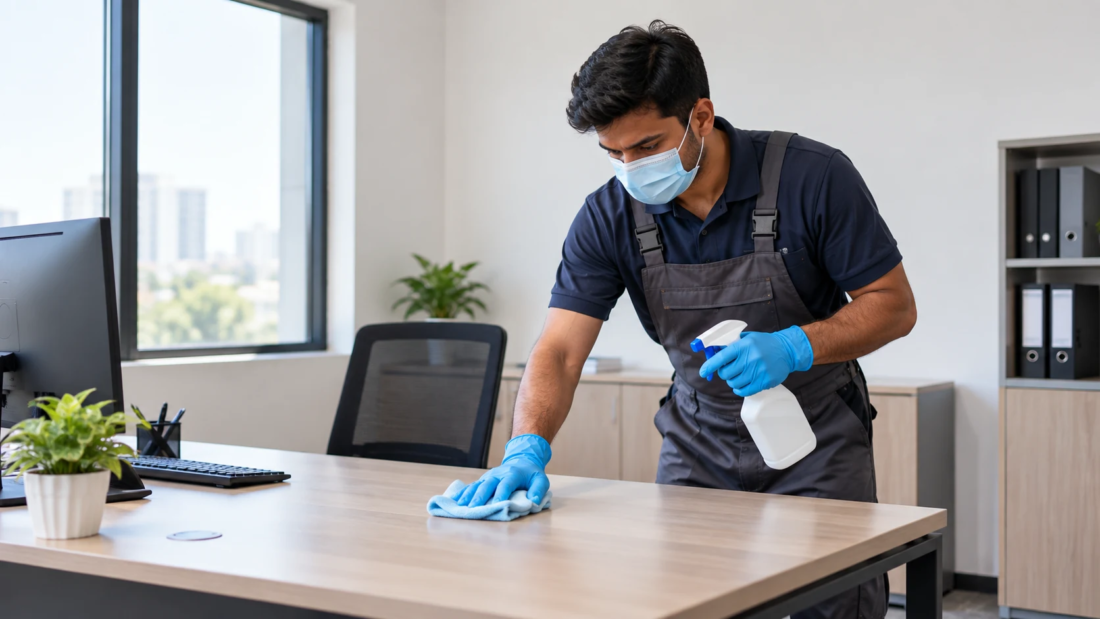
Office Cleaning

  • Dusting desks and furniture
  • Vacuuming carpets
  • Mopping floors
  • Emptying waste bins

Restroom Cleaning

  • Toilet sanitization
  • Sink cleaning
  • Mirror cleaning
  • Replenishing hygiene supplies

Common Area Cleaning

  • Reception area cleaning
  • Meeting room cleaning
  • Elevator cleaning

Window and Glass Cleaning

  • Interior glass cleaning
  • Glass partition cleaning

Carpet and Upholstery Cleaning

The focus is on maintaining a clean and professional environment for employees and visitors.

What Is Industrial Cleaning?

Industrial cleaning is a specialized cleaning service designed for manufacturing facilities, warehouses, factories, processing plants, and industrial sites. These environments often contain heavy machinery, hazardous materials, grease, chemicals, and large-scale equipment that require specialized cleaning techniques.

Industrial cleaning prioritizes operational safety, compliance, and equipment maintenance.

Industrial cleaning is commonly performed in:

  • Factories
  • Manufacturing plants
  • Warehouses
  • Power plants
  • Oil and gas facilities
  • Food processing plants
  • Distribution centers
  • Industrial workshops

Industrial cleaning typically requires advanced equipment, trained personnel, and strict adherence to safety regulations.

Services Included in Industrial Cleaning

Industrial cleaning often involves:

Machinery Cleaning

  • Removing grease and oil buildup
  • Cleaning production equipment
  • Equipment sanitization

Warehouse Cleaning

  • Dust removal
  • Floor scrubbing
  • High-level cleaning

Factory Cleaning

  • Cleaning production areas
  • Removing industrial residues
  • Waste management

Industrial Floor Cleaning

  • Heavy-duty scrubbing
  • Degreasing
  • Pressure washing

High-Level Cleaning

  • Ceiling cleaning
  • Structural cleaning
  • Overhead pipe cleaning

Hazardous Waste Cleaning

  • Safe removal of industrial waste
  • Compliance with environmental regulations

Industrial cleaning addresses complex cleaning challenges not found in typical office environments.

Key Differences Between Industrial Cleaning and Commercial Cleaning

1. Type of Facility

Commercial Cleaning

Commercial cleaning is performed in business spaces where cleanliness primarily affects employee comfort, customer experience, and workplace hygiene.

Examples:

  • Offices
  • Retail stores
  • Hotels
  • Educational facilities

Industrial Cleaning

Industrial cleaning is performed in operational environments where machinery, production processes, and safety regulations play a major role.

Examples:

  • Factories
  • Warehouses
  • Manufacturing facilities

2. Cleaning Complexity

Commercial Cleaning

Commercial cleaning generally involves routine cleaning tasks and surface maintenance.

Industrial Cleaning

Industrial cleaning requires specialized techniques, equipment, and safety procedures due to the presence of machinery, chemicals, and industrial waste.

3. Equipment Used

Commercial Cleaning Equipment

  • Vacuum cleaners
  • Floor scrubbers
  • Microfiber tools
  • Standard cleaning chemicals

Industrial Cleaning Equipment

  • Industrial pressure washers
  • Heavy-duty scrubbers
  • Vacuum trucks
  • Degreasing systems
  • Specialized cleaning machinery

Industrial environments demand more advanced cleaning technology.

4. Safety Requirements

Commercial Cleaning

Basic workplace safety practices are generally sufficient.

Industrial Cleaning

Strict safety procedures are necessary due to:

  • Heavy machinery
  • Hazardous chemicals
  • Confined spaces
  • High-risk working conditions

Industrial cleaning teams often require specialized training and certifications.

5. Cleaning Objectives

Commercial Cleaning

The goal is to create a clean, welcoming, and hygienic environment.

Industrial Cleaning

The goal is to maintain operational efficiency, worker safety, equipment performance, and regulatory compliance.

Benefits of Commercial Cleaning

Improves Workplace Appearance

Clean offices and business spaces create positive impressions for visitors and clients.

Supports Employee Productivity

Employees perform better in organized and hygienic environments.

Reduces Germs and Illnesses

Regular cleaning helps minimize the spread of bacteria and viruses.

Protects Business Assets

Routine cleaning extends the lifespan of carpets, furniture, and office equipment.

Benefits of Industrial Cleaning

Enhances Workplace Safety

Removing grease, debris, and contaminants reduces accident risks.

Improves Equipment Performance

Clean machinery operates more efficiently and experiences fewer breakdowns.

Supports Regulatory Compliance

Industrial facilities often face strict health, safety, and environmental regulations.

Reduces Downtime

Preventive cleaning helps avoid operational interruptions.

Which Service Does Your Business Need?

The choice depends on your facility type and operational requirements.

Choose Commercial Cleaning If:

  • You operate an office
  • You manage a retail space
  • You own a hotel or educational facility
  • Your primary focus is hygiene and appearance

Choose Industrial Cleaning If:

  • You run a factory
  • You manage a warehouse
  • You operate manufacturing equipment
  • You handle industrial materials or chemicals

Some businesses may require both services.

For example, a manufacturing company may need industrial cleaning for production areas and commercial cleaning for administrative offices.

Industrial and Commercial Cleaning in UAE

Businesses in the UAE face unique environmental challenges, including:

  • Dust accumulation
  • Sand exposure
  • High temperatures
  • Heavy commercial activity

Regular professional cleaning helps businesses maintain cleanliness, safety, and compliance despite these conditions.

Industrial facilities in Dubai and across the UAE often require specialized cleaning to remove dust, grease, and operational residues, while commercial spaces require routine maintenance to maintain professional standards.

Professional Cleaning Solutions by Enron

Enron, the best cleaning company in UAE, provides professional industrial and commercial cleaning services. With experience serving a wide range of industries, Enron delivers customized cleaning solutions designed to meet the unique requirements of different facilities.

Commercial Cleaning Services by Enron

  • Office cleaning
  • Retail cleaning
  • Building cleaning
  • Window cleaning
  • Deep cleaning services

Industrial Cleaning Services by Enron

  • Warehouse cleaning
  • Factory cleaning
  • Industrial floor cleaning
  • High-level cleaning
  • Waste management support

Using professional equipment and trained cleaning teams, Enron helps businesses maintain clean, safe, and efficient working environments.

Conclusion

While industrial cleaning and commercial cleaning share the common goal of maintaining cleanliness, they differ significantly in terms of facility type, cleaning methods, equipment, and safety requirements.

Commercial cleaning focuses on maintaining professional and hygienic environments in offices, retail spaces, and public-facing businesses. Industrial cleaning addresses the specialized needs of factories, warehouses, and production facilities where safety, compliance, and equipment performance are critical.

Understanding these differences allows businesses to choose the right cleaning solution for their specific needs. Whether operating an office, retail store, warehouse, or manufacturing plant, professional cleaning services contribute to healthier workplaces, improved efficiency, and long-term operational success.

How Grease Buildup Affects Commercial Kitchen Operations

How Grease Buildup Affects Commercial Kitchen Operations

Commercial kitchens are busy environments where food is prepared, cooked, and served throughout the day. Restaurants, hotels, cafeterias, catering facilities, and food processing establishments rely on efficient kitchen operations to maintain productivity and customer satisfaction. However, one common issue that many commercial kitchens face is grease buildup.

Grease accumulation may seem like a minor problem at first, but over time, it can create serious operational, safety, hygiene, and financial challenges. From blocked drains and unpleasant odors to fire hazards and equipment damage, grease buildup can significantly affect the efficiency of a commercial kitchen.

In this guide, we will explore how grease buildup affects commercial kitchen operations, the risks associated with it, and why regular grease trap cleaning and kitchen maintenance are essential for food businesses.

What Is Grease Buildup?

Grease buildup occurs when fats, oils, and grease (commonly known as FOG) accumulate in kitchen drains, grease traps, exhaust systems, ductwork, and cooking equipment.

During daily cooking activities, oils, butter, fats, and food residues are washed into sinks and drainage systems. While some of these materials flow away with wastewater, a large portion sticks to surfaces and gradually hardens over time.

Without proper maintenance, this buildup can create major problems throughout the kitchen.

Common Sources of Grease in Commercial Kitchens

Grease accumulation usually comes from:

  • Frying oils
  • Cooking fats
  • Butter and dairy products
  • Meat residues
  • Food scraps
  • Dishwashing activities
  • Kitchen exhaust systems

High-volume kitchens often generate significant amounts of grease daily, making regular cleaning essential.

How Grease Buildup Affects Commercial Kitchen Operations

1. Causes Drain Blockages

One of the most common effects of grease buildup is clogged drains.

When grease enters drainage systems, it cools and solidifies inside pipes. Over time, layers of grease accumulate and restrict water flow.

Consequences Include:

  • Slow-draining sinks
  • Standing water
  • Frequent plumbing issues
  • Complete drain blockages

Blocked drains can disrupt kitchen workflows and create unnecessary downtime during busy service hours.

2. Creates Unpleasant Odors

Grease that accumulates in drains, grease traps, and kitchen equipment begins to decompose over time.

This decomposition produces unpleasant odors that can spread throughout the kitchen and dining areas.

Bad odors can:

  • Affect employee comfort
  • Create negative customer experiences
  • Indicate poor kitchen hygiene

Regular grease removal helps maintain a fresher and cleaner environment.

3. Increases Fire Risks

One of the most serious dangers of grease buildup is the increased risk of fire.

Grease is highly flammable. When it accumulates inside:

  • Kitchen exhaust systems
  • Ventilation ducts
  • Canopies
  • Hoods

it creates fuel for potential fires.

A small spark or high cooking temperature can ignite grease deposits, resulting in dangerous kitchen fires.

This is why regular kitchen canopy cleaning and exhaust system maintenance are critical for commercial kitchens.

4. Attracts Pests

Grease and food residues attract pests such as:

  • Cockroaches
  • Rodents
  • Flies
  • Ants

Pests are naturally drawn to food sources and organic waste.

A kitchen with excessive grease accumulation can quickly become a breeding ground for infestations, creating hygiene and health concerns.

5. Reduces Kitchen Hygiene Standards

Maintaining cleanliness is essential in food preparation environments.

Grease buildup can:

  • Encourage bacterial growth
  • Create unsanitary conditions
  • Contaminate food preparation areas

Poor hygiene standards can affect food quality and customer confidence.

Regular cleaning helps maintain compliance with food safety requirements and industry standards.

6. Damaged Kitchen Equipment

Grease accumulation affects various kitchen appliances and systems, including:

  • Cooking ranges
  • Fryers
  • Ovens
  • Ventilation systems
  • Exhaust fans

Excessive grease forces equipment to work harder and reduces efficiency.

Over time, this can lead to:

  • Increased maintenance costs
  • Equipment breakdowns
  • Shortened equipment lifespan

Preventive cleaning protects valuable kitchen assets.

7. Affects Employee Productivity

A clean and organized kitchen allows staff to work efficiently.

Grease-related issues such as:

  • Slippery floors
  • Bad odors
  • Drainage problems
  • Equipment malfunctionsIt

can slow down kitchen operations and affect staff productivity.

Employees perform better in clean, safe, and well-maintained environments.

8. Creates Slip and Fall Hazards

Grease spills and buildup on floors create dangerous working conditions.

Slippery surfaces increase the risk of:

  • Falls
  • Workplace injuries
  • Staff accidents

Commercial kitchens already operate in fast-paced environments, making floor safety a top priority.

Regular cleaning reduces accident risks and improves workplace safety.

9. Leads to Regulatory Compliance Issues

Food establishments must comply with hygiene and safety regulations.

Failure to manage grease buildup can result in:

  • Health inspection violations
  • Regulatory penalties
  • Business reputation damage

Proper grease management helps businesses meet operational and sanitation requirements.

10. Increases Maintenance and Repair Costs

Ignoring grease accumulation often results in larger problems later.

Common expenses include:

  • Emergency plumbing repairs
  • Drain cleaning services
  • Equipment replacement
  • Pest control treatments
  • Fire damage repairs

Routine cleaning is significantly more cost-effective than dealing with major repairs.

Importance of Grease Traps in Commercial Kitchens

Grease traps are designed to capture fats, oils, and grease before they enter the drainage system.

A properly functioning grease trap helps:

  • Prevent pipe blockages
  • Reduce odor problems
  • Improve drainage performance
  • Protect municipal sewer systems

However, grease traps require regular cleaning to remain effective.

Without maintenance, grease traps can overflow and lose their ability to separate grease from wastewater.

How Often Should Grease Traps Be Cleaned?

The ideal cleaning frequency depends on:

  • Kitchen size
  • Cooking volume
  • Number of customers served
  • Local regulations

General recommendations include:

Small Restaurants

Every 2–4 weeks

Medium Restaurants

Every 1–2 weeks

High-Volume Commercial Kitchens

Weekly cleaning may be necessary

Professional inspections can determine the most suitable cleaning schedule.

Preventing Excessive Grease Buildup

Commercial kitchens can reduce grease accumulation through proactive measures.

Best Practices Include:

  • Installing properly sized grease traps
  • Scheduling regular grease trap cleaning
  • Cleaning kitchen canopies and exhaust systems
  • Training staff on grease disposal procedures
  • Avoiding the disposal of cooking oils into sinks
  • Conducting routine kitchen inspections

Preventive maintenance minimizes operational disruptions and costly repairs.

Professional Grease Trap and Kitchen Cleaning Services by Enron

For restaurants, hotels, cafeterias, and commercial kitchens across Dubai and the UAE, proper grease management is essential for maintaining hygiene and operational efficiency.

Enron provides professional grease trap installation, grease trap cleaning, kitchen canopy cleaning, and commercial kitchen cleaning services tailored to the needs of food service establishments.

The experienced team helps businesses:

  • Remove accumulated grease safely
  • Maintain efficient drainage systems
  • Reduce fire risks
  • Improve kitchen hygiene
  • Comply with local regulations

Using professional equipment and industry-standard cleaning methods, Enron supports commercial kitchens in maintaining safe and productive operations.

Why Grease Management Is Especially Important in UAE Commercial Kitchens

The UAE has a thriving hospitality and food service industry, with restaurants and commercial kitchens operating at high volumes throughout the year.

Factors such as:

  • High customer demand
  • Continuous kitchen operations
  • Strict hygiene regulations
  • Elevated temperatures

Make regular grease management particularly important.

Routine grease trap maintenance and professional cleaning services help businesses avoid disruptions while maintaining high standards of cleanliness and safety.

Conclusion

Grease buildup is more than a maintenance issue; it can affect every aspect of a commercial kitchen’s operation. From blocked drains and unpleasant odors to fire hazards and equipment damage, unmanaged grease accumulation creates significant risks for food service businesses.

Regular cleaning, proper grease trap maintenance, and preventive measures are essential for maintaining kitchen efficiency, safety, and hygiene. By addressing grease buildup proactively, commercial kitchens can reduce costs, improve operational performance, and create a safer working environment for staff.

Investing in professional grease management solutions helps restaurants and food establishments maintain smooth operations while protecting their facilities, employees, and customers.

How to Maintain Hygiene Standards in Schools in UAE

How to Maintain Hygiene Standards in Schools Throughout the Year

Maintaining hygiene standards in schools is essential for creating a safe, healthy, and productive learning environment. Schools are high-traffic spaces where hundreds or even thousands of students, teachers, and staff interact daily. Without proper hygiene practices, germs, bacteria, and viruses can spread quickly, increasing the risk of illness and affecting attendance, academic performance, and overall well-being. This blog, “How to Maintain Hygiene Standards in Schools,” is from Enron, the best cleaning company in UAE.

While periodic cleaning is important, maintaining hygiene standards throughout the year requires a consistent approach that includes regular cleaning, sanitation, awareness programs, and preventive measures. This guide explains why school hygiene matters, the challenges schools face, and practical strategies for maintaining cleanliness all year long.

Why School Hygiene Is Important

Schools play a significant role in children’s development, and a clean environment supports both physical health and learning outcomes.

Proper hygiene standards help:

  • Reduce the spread of infections and illnesses
  • Improve student attendance
  • Create a healthier learning environment
  • Enhance concentration and academic performance
  • Promote positive habits among students
  • Protect teachers and staff from health risks

A clean school environment also reassures parents that their children are studying in a safe and hygienic setting.

Common Hygiene Challenges in Schools

Schools face unique cleaning and sanitation challenges because of the large number of people using shared spaces every day.

Some common challenges include:

  • High-touch surfaces that accumulate germs
  • Shared classrooms and learning materials
  • Busy washrooms and sanitation facilities
  • Food waste in cafeterias
  • Dust accumulation in classrooms and hallways
  • Seasonal illnesses are spreading among students

Addressing these challenges requires a proactive and year-round hygiene strategy.

Develop a Comprehensive Cleaning Schedule

One of the most effective ways to maintain hygiene standards is by implementing a structured cleaning schedule.

Daily Cleaning Tasks

Daily housekeeping is supposed to target areas that are regularly accessed.

These tasks may include:

  • Sweeping and mopping floors
  • Cleaning desks and chairs
  • Sanitizing door handles
  • Emptying waste bins
  • Cleaning restrooms
  • Disinfecting shared equipment

Regular cleaning prevents dirt and bacteria from accumulating.

Weekly Cleaning Tasks

Weekly cleaning should target areas that require more detailed attention.

Examples include:

  • Window cleaning
  • Dusting shelves and cabinets
  • Deep cleaning restroom facilities
  • Sanitising computer labs
  • Cleaning cafeteria seating areas

Weekly maintenance helps maintain overall cleanliness throughout the school.

Monthly and Seasonal Deep Cleaning

Deep cleaning should be scheduled during weekends, holidays, or school breaks.

Deep cleaning may include:

  • Carpet cleaning
  • Floor polishing
  • Ventilation cleaning
  • Wall cleaning
  • Furniture sanitization
  • Storage room organization

The process aids in removing any form of dirt and creating a cleaner environment.

Focus on High-Touch Surfaces

High-touch surfaces are among the most common sources of germ transmission in schools.

Areas that require frequent sanitisation include:

  • Door handles
  • Light switches
  • Handrails
  • Classroom desks
  • Computer keyboards
  • Shared learning equipment
  • Cafeteria tables

Disinfection plays a key role in preventing the transfer of germs and bacteria.

Maintain Clean and Hygienic Restrooms

School restrooms require special attention because they are used frequently throughout the day.

Restroom Hygiene Best Practices

  • Clean and disinfect toilets regularly
  • Refill soap dispensers frequently
  • Ensure continuous access to handwashing facilities
  • Clean mirrors and sinks daily
  • Maintain proper ventilation

Well-maintained restrooms encourage students to practice good hygiene habits.

Promote Hand Hygiene Among Students

Hand washing is among the easiest and most efficient means of preventing diseases.

Schools should encourage students to wash their hands:

  • Before meals
  • After using the restroom
  • After outdoor activities
  • After coughing or sneezing

Educational posters and awareness campaigns can help reinforce proper handwashing techniques.

Improve Classroom Hygiene

Classrooms are where students spend most of their time.

Classroom Hygiene Measures

  • Regular desk cleaning
  • Daily floor cleaning
  • Proper waste disposal
  • Dust-free teaching materials
  • Good ventilation

Teachers can also encourage students to keep their personal spaces organized and clean.

Maintain Cafeteria and Food Preparation Areas

School cafeterias must meet strict hygiene standards because food safety directly impacts student health.

maintain hygiene standards of cafeteria in schools

Cafeteria Hygiene Tips

  • Clean dining tables after each use
  • Dispose of food waste promptly
  • Sanitise food preparation surfaces
  • Maintain clean storage areas
  • Follow food safety guidelines

Proper cafeteria hygiene reduces the risk of contamination and foodborne illnesses.

Ensure Proper Waste Management

Efficient waste management is an important part of school hygiene.

Best Practices Include:

  • Placing waste bins in convenient locations
  • Separating recyclable materials
  • Emptying bins daily
  • Cleaning waste storage areas regularly

Proper waste disposal prevents odours, pest infestations, and unsanitary conditions. You can contact Enron, a waste management company in Dubai, for better waste management.

Improve Indoor Air Quality

Clean air is an important part of a healthy school environment.

Ways to Improve Air Quality

  • Clean air vents regularly
  • Maintain HVAC systems
  • Ensure proper ventilation
  • Reduce dust accumulation
  • Use air filtration systems where necessary

Good air quality supports respiratory health and student comfort.

Educate Students About Hygiene

Maintaining hygiene is a shared responsibility.

Schools can promote hygiene awareness through:

  • Educational programs
  • Classroom discussions
  • Posters and signage
  • Hygiene campaigns
  • Student participation activities

Teaching good hygiene habits helps students adopt practices that benefit them throughout their lives.

Implement Infection Prevention Measures

Schools should have procedures in place to minimize the spread of contagious illnesses.

Measures may include:

  • Encouraging sick students to stay home
  • Regular surface disinfection
  • Providing hand sanitisers
  • Promoting respiratory hygiene

Proactive prevention helps maintain a healthier school community.

Schedule Professional Cleaning Services

While daily maintenance is important, professional cleaning provides a deeper level of hygiene.

Professional services can help with:

  • Deep cleaning classrooms
  • Carpet cleaning
  • Window cleaning
  • Floor maintenance
  • Restroom sanitization
  • High-level cleaning

Professional cleaning ensures that difficult-to-reach and heavily used areas receive proper attention.

The Importance of Year-Round Hygiene Management

School hygiene should not be treated as a seasonal activity. Consistent maintenance throughout the year helps prevent the accumulation of dirt, bacteria, and allergens.

A year-round hygiene strategy supports:

  • Better student health
  • Improved attendance
  • Enhanced learning environments
  • Increased safety
  • Greater confidence among parents and staff

How Professional Cleaning Services Support Schools

Educational institutions often require specialized cleaning solutions to maintain hygiene standards.

Professional cleaning providers can assist schools with:

  • Daily cleaning programs
  • Deep cleaning during holidays
  • Disinfection services
  • Waste management support
  • Floor and carpet maintenance

These services help schools maintain a consistently clean environment while allowing staff to focus on educational activities.

Conclusion

Maintaining hygiene standards in schools throughout the year requires a combination of regular cleaning, sanitation, awareness, and preventive measures. Clean classrooms, hygienic restrooms, proper waste management, and regular disinfection all contribute to a healthier learning environment.

By implementing structured cleaning schedules and promoting good hygiene practices, schools can reduce the spread of illness, improve student well-being, and create a more productive educational atmosphere.

A commitment to year-round hygiene not only protects students and staff but also supports the overall success and reputation of educational institutions.

How Often Should a Sewage Tank Be Cleaned A Complete Guide for Property Owners

How Often Should a Sewage Tank Be Cleaned? A Complete Guide for Property Owners

A properly functioning sewage tank is essential for maintaining a clean, safe, and hygienic property. Whether it serves a residential villa, apartment building, commercial facility, restaurant, warehouse, or labor accommodation, a sewage tank plays a critical role in collecting and storing wastewater before it is transported for treatment or disposal.

However, many property owners overlook the importance of regular sewage tank maintenance until problems such as foul odors, slow drainage, overflows, or system failures occur. One of the most common questions property owners ask is, “How often should a sewage tank be cleaned?”

The answer depends on several factors, including tank size, occupancy levels, water usage, and the type of property. This complete guide explains the importance of sewage tank cleaning, recommended cleaning frequencies, warning signs, and best practices for maintaining an efficient wastewater system. Here you will learn things from Enron, the trusted name in sewage tank cleaning Dubai.

What Is a Sewage Tank?

A sewage tank is a storage system designed to collect wastewater generated from toilets, kitchens, bathrooms, and other plumbing fixtures. The tank temporarily stores sewage until it is removed and transported to an approved treatment facility.

Sewage tanks are commonly used in:

  • Residential villas
  • Apartment complexes
  • Commercial buildings
  • Restaurants
  • Hotels
  • Industrial facilities
  • Labor accommodations
  • Construction sites

Regular cleaning is necessary to prevent waste accumulation and ensure the system operates efficiently.

Why Is Sewage Tank Cleaning Important?

Over time, sewage tanks fill with sludge, solid waste, grease, and wastewater. Without regular cleaning, these materials continue to accumulate and reduce the tank’s capacity.

Routine sewage tank cleaning helps:

  • Prevent tank overflows
  • Eliminate unpleasant odours
  • Reduce health risks
  • Improve drainage performance
  • Protect plumbing systems
  • Prevent environmental contamination
  • Extend the lifespan of the sewage system

Ignoring maintenance can lead to costly repairs and significant hygiene concerns.

How Often Should a Sewage Tank Be Cleaned?

There is no universal schedule because every property generates wastewater at different rates. However, general guidelines can help property owners plan maintenance.

Residential Villas

For most family homes and villas, sewage tank cleaning is recommended every:

6 to 12 months

Factors affecting cleaning frequency include:

  • Number of occupants
  • Daily water consumption
  • Tank capacity

Larger families typically require more frequent cleaning.

Apartment Buildings

Apartment complexes generate significantly higher volumes of wastewater.

Recommended cleaning frequency:

Every 3 to 6 months

Property managers should monitor tank levels regularly to prevent overflow and drainage issues. If your building’s most difficult problem is sewage cleaning, partnering with the best building cleaning company in Dubai can help ensure safe, efficient, and long-term solutions.

Restaurants and Commercial Kitchens

Restaurants produce wastewater containing grease, oils, food particles, and other waste materials.

Recommended cleaning frequency:

Every 1 to 3 months

High-volume food establishments may require even more frequent servicing.

Hotels and Hospitality Facilities

Hotels experience continuous wastewater generation due to guest usage.

Recommended cleaning frequency:

Every 2 to 4 months

Regular inspections help determine the ideal schedule.

Labor Accommodations

Labor camps and staff accommodations often have high occupancy levels and significant wastewater production.

Recommended cleaning frequency:

Monthly or every 2 months

Regular maintenance helps prevent hygiene issues and system overload.

Industrial and Commercial Facilities

Industrial sites vary greatly depending on their operations.

Recommended cleaning frequency:

Every 1 to 6 months

Facilities with high wastewater output may require more frequent cleaning.

Factors That Affect Sewage Tank Cleaning Frequency

Several factors determine how often a sewage tank should be cleaned.

1. Tank Size

Larger tanks can store more wastewater before reaching capacity.

Smaller tanks fill more quickly and typically require more frequent cleaning.

2. Number of Occupants

The more people using the property, the more wastewater is generated.

A villa occupied by two people will require less frequent cleaning than a villa occupied by eight people.

3. Water Usage

High water consumption increases the volume of wastewater entering the tank.

Factors influencing water usage include:

  • Number of bathrooms
  • Washing machines
  • Dishwashers
  • Commercial kitchen operations

4. Type of Property

Commercial and industrial properties generally generate more wastewater than residential properties.

Restaurants and hospitality businesses often require more frequent cleaning due to grease and food waste.

5. Waste Composition

Properties generating grease, food waste, or industrial residues may experience faster sludge accumulation.

This can reduce tank efficiency and increase cleaning requirements.

Warning Signs That a Sewage Tank Needs Cleaning

Property owners should not rely solely on a fixed schedule. Monitoring the system for warning signs is equally important.

Common signs include the following:

Slow Drains

Slow water drainage from sinks, showers, or toilets could be due to a full sewage tank.

Unpleasant Odors

Foul smells around drains, bathrooms, or outdoor tank areas often signal waste accumulation.

Sewage Backup

Wastewater backing up into sinks or toilets is a serious indication that immediate cleaning is required.

Overflowing Tank

Visible wastewater overflow around the tank area requires urgent attention.

Increased Pest Activity

Rodents, flies, and insects are often attracted to sewage-related issues.

What Happens If a Sewage Tank Is Not Cleaned?

Neglecting sewage tank maintenance can lead to several costly and hazardous consequences.

Tank Overflow

When a sewage tank reaches capacity, wastewater may overflow onto the property.

This creates significant health and environmental risks.

Plumbing Damage

Excess waste buildup can place pressure on drainage systems and lead to pipe blockages.

Health Hazards

Untreated sewage contains harmful bacteria, viruses, and pathogens that can affect human health.

Environmental Contamination

Sewage leaks can contaminate soil and groundwater.

Expensive Repairs

Emergency repairs are often far more expensive than routine maintenance.

Regular cleaning helps avoid these unexpected costs.

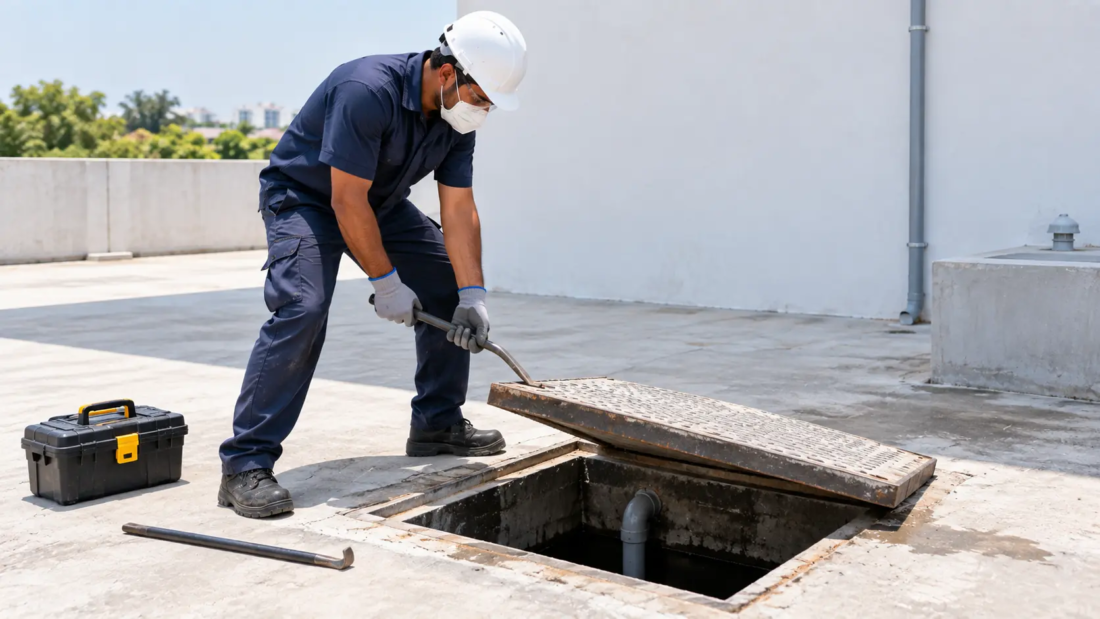
The Sewage Tank Cleaning Process

Professional sewage tank cleaning typically involves several steps.

Inspection

Technicians assess tank condition and waste levels.

Waste Removal

Specialised vacuum tankers remove sludge, wastewater, and accumulated solids.

Tank Cleaning

Interior surfaces may be cleaned to remove remaining deposits.

System Inspection

The tank, pipes, and connections are checked for potential issues.

Safe Waste Disposal

Waste material will be removed and taken to designated disposal sites as per guidelines.

Benefits of Professional Sewage Tank Cleaning

Hiring professionals provides several advantages.

Improved Hygiene

Proper cleaning reduces odours and health risks.

Better System Performance

Regular maintenance ensures efficient wastewater flow.

Regulatory Compliance

Professional services follow environmental and municipal regulations.

Reduced Risk of Emergencies

Routine cleaning prevents overflows and system failures.

Longer Equipment Lifespan

Maintained systems experience less wear and tear.

Sewage Tank Cleaning in UAE Conditions

In the UAE, regular sewage tank maintenance is particularly important due to:

  • High occupancy levels in residential and commercial properties
  • Large-scale hospitality operations
  • Continuous commercial activity
  • Hot climate conditions

Without routine servicing, sewage tanks can fill quickly and develop hygiene issues that affect property occupants and operations.

For many UAE properties, proactive sewage tank cleaning is a critical part of facility maintenance.

Professional Sewage Tank Cleaning Services by Enron

For property owners and businesses seeking reliable wastewater management solutions, Enron provides professional sewage tank cleaning services across Dubai and the UAE.

The experienced team uses advanced vacuum tanker equipment and industry-standard procedures to safely remove wastewater, sludge, and accumulated waste from sewage tanks of all sizes.

Enron’s sewage tank cleaning services help:

  • Prevent overflows and blockages
  • Improve system efficiency
  • Maintain hygiene standards
  • Reduce unpleasant odors
  • Support regulatory compliance

Whether for residential villas, commercial buildings, restaurants, labor accommodations, or industrial facilities, Enron delivers dependable sewage tank maintenance solutions tailored to specific property requirements.

Tips to Maintain a Healthy Sewage System

Property owners can reduce problems by following a few simple practices:

  • Schedule regular tank inspections
  • Avoid disposing of grease into drains
  • Prevent non-biodegradable items from entering the system
  • Monitor water usage
  • Arrange professional cleaning before the tank reaches capacity

Preventive maintenance is always more cost-effective than emergency repairs.

Is Regular Sewage Tank Cleaning Essential?

So, how often should a sewage tank be cleaned? The answer depends on factors such as tank size, occupancy, water usage, and property type. While residential properties may only require cleaning every 6 to 12 months, commercial facilities, restaurants, and labour accommodations often need more frequent servicing.

Regular sewage tank cleaning is essential for maintaining hygiene, preventing system failures, protecting plumbing infrastructure, and ensuring safe wastewater management. By following a routine maintenance schedule and working with professional service providers, property owners can avoid costly problems and keep their sewage systems operating efficiently throughout the year.

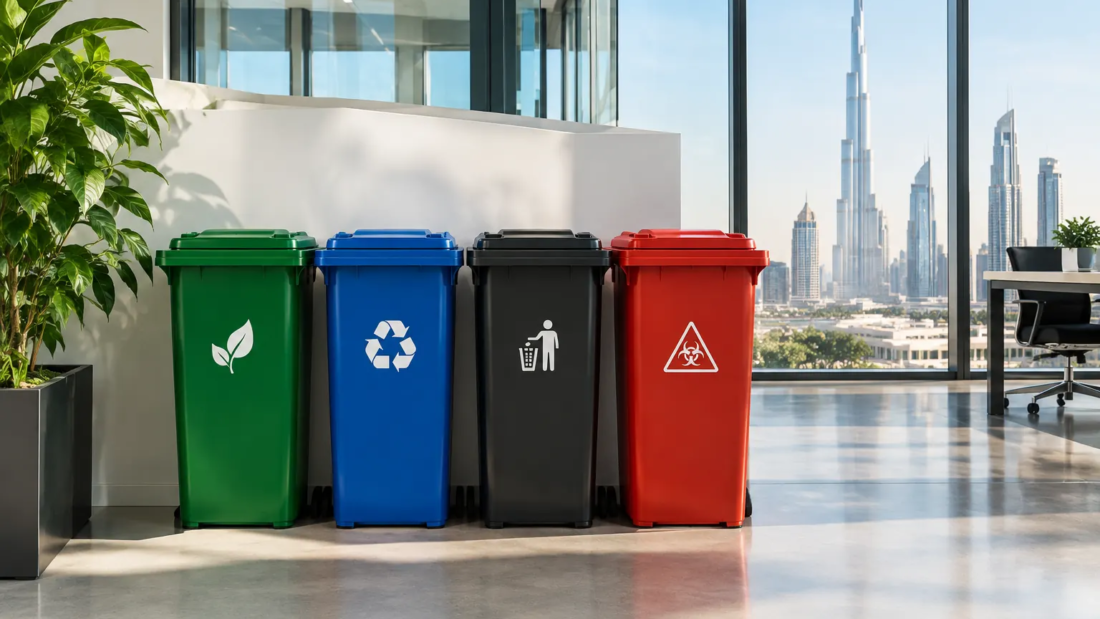
Waste collection tips

Waste Collection Tips for Sustainable Waste Management 

Waste management is not just about keeping places clean; it’s about protecting the environment, ensuring public health, and creating a sustainable future. In a fast-growing region like the UAE, where development is happening rapidly, proper waste collection has become an important responsibility for both individuals and businesses. Read these waste collection tips for effective management of waste.

Whether you are handling waste at home, in an office, or in a commercial space, following the right waste collection practices can help maintain cleanliness while supporting eco-friendly living. This guide will help you understand simple and practical tips that you can easily follow in your daily life.

Why Waste Collection Is Important

Proper waste collection is essential for reducing pollution and avoiding health risks. When waste is not managed correctly, it can lead to foul smells, the spread of diseases, and environmental damage. On the other hand, efficient waste collection ensures safe disposal and helps maintain a clean and healthy environment.

In the UAE, strong environmental policies and sustainability goals make responsible waste management even more important. By adopting the right practices, you contribute to building a cleaner and greener society.

Waste Collection Tips for a Healthy Living

1. Separate Waste at the Source

One of the most effective ways to improve waste collection is by separating waste at the beginning. This involves dividing waste into categories such as organic waste, recyclable materials, and non-recyclable items.

types of waste materials

Proper segregation makes recycling easier and reduces the amount of waste sent to landfills. It also helps waste collection teams manage materials more efficiently and safely.

2. Minimize Waste Generation

Reducing waste is the first step toward better management. Small daily habits can create a big impact over time.

Avoid using single-use plastics, switch to reusable items, and only buy what you really need. Choosing products with less packaging is also a smart way to cut down waste. These simple actions not only make waste collection easier but also support a more sustainable lifestyle.

3. Store Waste Properly

Storing waste in the right way before collection is important for maintaining hygiene. Always use covered bins to prevent bad odors and keep insects or pests away. Cleaning your bins regularly is also necessary to avoid bacterial buildup.

For both homes and businesses, proper storage ensures that waste collection can be done smoothly without creating any inconvenience.

4. Ensure Timely Waste Collection

Regular waste collection is important to prevent garbage from piling up, which can cause health issues and create an unpleasant environment. Always follow proper disposal schedules and avoid delays.

Many individuals and businesses depend on a professional waste management company in Dubai to manage their waste efficiently. These services ensure timely collection, safe handling, and compliance with local regulations.

5. Encourage Recycling and Reuse

Recycling plays a major role in eco-friendly waste management. Instead of discarding everything, try to reuse or recycle items whenever possible.

Materials like paper, plastic, and glass can be recycled, while items such as containers and clothes can be reused. Encouraging recycling helps reduce landfill waste and protects natural resources.

6. Handle Hazardous Waste with Care

Some types of waste, such as batteries, chemicals, and electronic items, need special care. These should never be mixed with regular waste as they can harm both people and the environment.

Always follow proper guidelines when disposing of hazardous materials. There are specialized services available to handle such waste safely and responsibly.

7. Keep Your Surroundings Clean

Clean surroundings begin with simple daily habits. Avoid littering and always use proper bins for waste disposal.

A clean environment not only improves appearance but also promotes better health. For businesses, maintaining cleanliness helps create a positive image and builds customer trust.

8. Raise Awareness and Involve Others

Waste collection becomes more effective when everyone participates. Educating people about proper waste management can make a big difference.

Encourage your family, employees, or community to follow practices like waste segregation and recycling. When more people get involved, the overall system becomes more efficient.

9. Use Professional Cleaning Services

Handling waste can be difficult, especially in large spaces or commercial areas. Professional cleaning services can make this process easier and more efficient.

Choosing the best cleaning company in Dubai ensures that waste is managed properly while maintaining high standards of cleanliness and hygiene. These services help create a safe and well-maintained environment.

10. Support Sustainable Living

A key component of contemporary waste management is sustainability. Adopting eco-friendly practices like recycling, composting, and reducing waste can have long-term benefits.

The UAE is actively promoting sustainability, and everyone is encouraged to contribute. Even small changes in daily habits can lead to a big positive impact on the environment.

Trusted Waste Management Partner

Enron UAE is a well-known environmental service provider offering professional cleaning and waste solutions across the region. The company is licensed and recognized for delivering high-quality services such as waste removal, building cleaning, tank cleaning, and sanitation. With a skilled team and eco-friendly approach, Enron focuses on maintaining hygiene, safety, and environmental responsibility. Our commitment to customer satisfaction and sustainable practices makes us a reliable choice for both residential and commercial waste management needs. 

Conclusion

Proper waste collection is essential for maintaining cleanliness, protecting public health, and supporting environmental sustainability in the UAE. By following simple steps like waste segregation, reducing waste, and recycling, individuals and businesses can manage waste more effectively. Using professional services also helps ensure safe and efficient disposal. Small daily actions can make a big difference in creating a cleaner and greener future.

Call now: 054 468 2927 to get professional waste collection services and keep your environment clean, safe, and eco-friendly! By reading these waste collection tips, we hope you will use the right method.

Way to Clean Windows Outside

Best Way to Clean Windows Outside: A Complete Guide for Streak-Free Results

Cleaning exterior windows can instantly improve the appearance of any property. In the UAE, where dust, sand, humidity, and urban pollution are common, outdoor windows get dirty much faster than in many other regions. Whether it is a villa, apartment, office, or commercial building, clean windows enhance natural light, improve visibility, and create a more professional and welcoming space.

This complete guide explains the best way to clean windows outside, with practical tips tailored for UAE conditions, along with when to consider professional help.

Why Exterior Window Cleaning Is Important in the UAE

Outdoor windows in cities like Dubai, Sharjah, and Abu Dhabi are constantly exposed to the following:

  • Desert dust and sandstorms
  • High humidity and salt deposits (especially in coastal areas)
  • Construction dust and pollution
  • Hard water stains from cleaning or rain

Without regular cleaning, these elements can leave permanent marks on glass, reducing clarity and damaging surfaces over time. This is why façade window cleaning in Dubai has become essential today.

Regular cleaning helps:

  • Maintain clear visibility
  • Improve indoor natural lighting
  • Protect glass from mineral buildup
  • Enhance property value and appearance
  • Create a better impression for guests or clients

Tools and Materials Needed

Using the right tools is essential for effective cleaning.

Basic Tools:

  • Bucket
  • Mild detergent or glass cleaner
  • Squeegee
  • Microfiber cloth
  • Soft sponge or brush
  • Hose or water supply

Optional Tools:

  • Extension pole (for villas and higher floors)
  • Scraper (for stubborn dirt)
  • Vinegar solution (for hard water stains)
  • Water-fed pole system (commonly used in the UAE for professional cleaning)

Step-by-Step Process to Clean Outside Windows

1. Rinse Off Dust and Sand

In the UAE, dust accumulation is heavy. Always start by rinsing windows with water to remove loose particles and prevent scratches.

2. Prepare the Cleaning Solution

Mix warm water with a mild detergent. For mineral stains, a vinegar solution works well.

3. Scrub the Glass

Use a sponge or soft brush to clean the surface. Focus on areas with stains, dust buildup, or grease.

4. Use a Squeegee

Start from the top and pull downward in straight strokes. Wipe the blade after each pass to avoid streaks.

5. Clean Frames and Edges

Use a microfiber cloth to wipe window frames and corners where dirt accumulates.

6. Final Inspection

Check for streaks or spots and wipe them clean.

Best Techniques for Streak-Free Results

  • Clean windows in the early morning or evening (avoid direct sunlight)
  • Use minimal soap to prevent residue
  • Always use clean water
  • Dry edges immediately
  • Work from top to bottom

Removing Common UAE Window Stains

Hard Water Stains

These are very common due to mineral-rich water. Use vinegar or specialized cleaners.

Dust and Sand Residue

Rinse thoroughly before scrubbing to avoid scratches.

Salt Deposits (Coastal Areas)

Use mild acidic solutions like diluted vinegar.

Construction Dust

Use repeated rinsing and gentle cleaning to avoid damaging glass.

Safety Tips for Cleaning Outside Windows

  • Use sturdy ladders for villas
  • Avoid cleaning during strong winds or sandstorms
  • Wear non-slip footwear
  • Use extension tools for high windows
  • Never lean out from high-rise windows

Safety is especially important in the UAE’s high-rise buildings.

How Often Should You Clean Exterior Windows in the UAE?

Due to environmental conditions, more frequent cleaning is required:

  • Villas and homes: Every 1–2 months
  • Apartments: Every 2–3 months
  • Commercial buildings: Monthly or more frequently

Regular cleaning prevents permanent stains.

DIY vs Professional Window Cleaning

DIY Cleaning

Pros:

  • Cost-effective
  • Flexible timing

Cons:

  • Time-consuming
  • Not safe for high-rise buildings
  • Limited effectiveness for tough stains

Professional Window Cleaning

Pros:

  • Safe for high and hard-to-reach areas
  • Uses advanced equipment
  • Delivers streak-free results
  • Saves time and effort

In the UAE, professional cleaning is often the preferred choice, especially for buildings and villas with multiple floors.

Professional Window Cleaning Services by Enron in the UAE

For property owners looking for reliable and efficient exterior window cleaning, Enron is the best cleaning company in Dubai, providing professional cleaning services in the surrounding areas. With experience in handling both residential and commercial properties, Enron ensures high-quality results tailored to UAE conditions.

The team uses modern tools such as water-fed poles, eco-friendly cleaning solutions, and advanced techniques to remove dust, sand, and hard water stains effectively. Whether it is a villa, apartment, office, or commercial building, Enron delivers safe and streak-free window cleaning services.

Enron’s window cleaning services focus on:

  • Removing heavy dust and sand buildup
  • Eliminating hard water and salt stains
  • Cleaning high-rise and difficult areas safely
  • Maintaining glass clarity and shine
  • Providing flexible cleaning schedules

Regular professional cleaning by Enron helps maintain the appearance of properties while protecting windows from long-term damage.

Common Mistakes to Avoid

  • Cleaning windows under direct sunlight
  • Skipping the initial rinse (especially in dusty areas)
  • Using dirty water or cloths
  • Applying too much detergent
  • Ignoring window frames

Avoiding these mistakes ensures better and longer-lasting results.

Conclusion

The best way to clean windows outside involves using the right tools, following a structured cleaning process, and adapting techniques to local conditions. In the UAE, where dust, heat, and hard water stains are common, regular maintenance is essential to keep windows clear and damage-free.

While basic cleaning can be done at home, professional services provide better efficiency, safety, and long-lasting results, especially for larger properties and high-rise buildings.

Keeping exterior windows clean not only improves visibility but also enhances the overall look and value of any property.

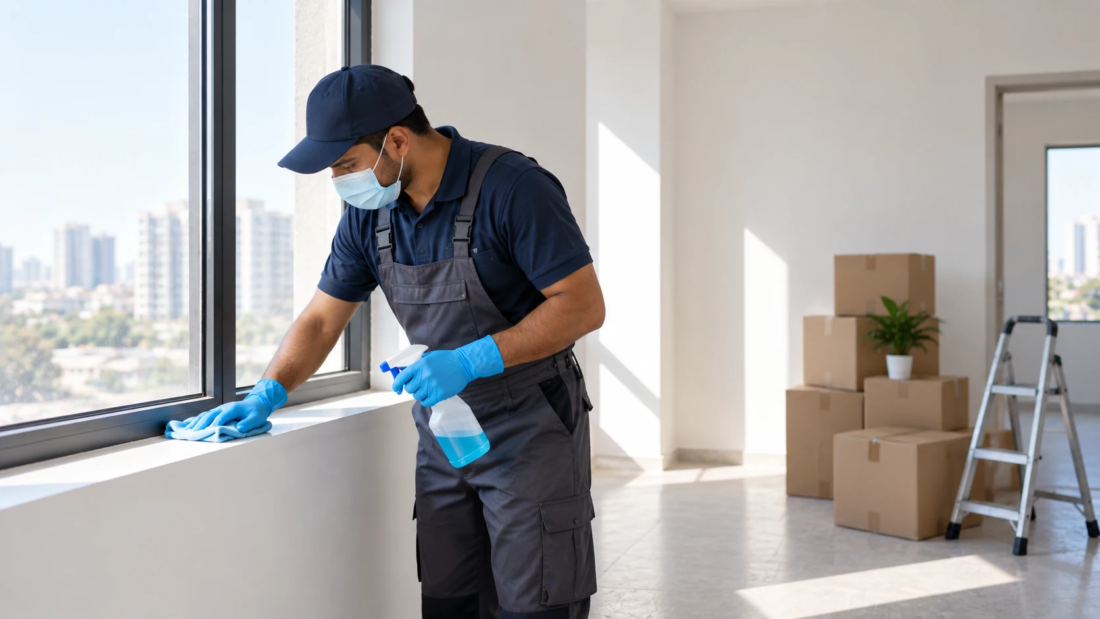
home deep cleaning

What is Home Deep Cleaning? Step-by-Step Process, Benefits & Complete Checklist

A clean home feels good, but a deeply cleaned home feels fresh, healthy, and truly comfortable. Home Deep Cleaning goes beyond your daily or weekly routine. It targets hidden dirt, stubborn grime, and bacteria that regular cleaning often misses. Whether you’re preparing for guests, moving in or out, or simply want a healthier space, understanding deep cleaning can make a big difference.

What is Home Deep Cleaning?

Home Deep Cleaning is a detailed and intensive cleaning process that covers every corner of your home. Unlike basic cleaning (like dusting or sweeping), deep cleaning focuses on hard-to-reach areas, built-up dirt, and sanitization.

It includes cleaning behind furniture, scrubbing tiles, disinfecting surfaces, removing grease, and tackling areas like kitchen cabinets, bathroom fittings, and upholstery. The goal is not just to make your home look clean but to make it hygienic and safe.

Step-by-Step Home Deep Cleaning Process

A proper Home Deep Cleaning process follows a structured approach to ensure no area is missed.

1. Decluttering and Preparation

Start by removing unnecessary items from surfaces, floors, and shelves. This makes cleaning easier and more effective.

2. Dusting and Dry Cleaning

Dust accumulates on fans, ceilings, light fixtures, and furniture. Begin from the top and work your way down to avoid re-cleaning.

3. Kitchen Deep Cleaning

The kitchen is one of the most used areas and needs special attention.

  • Clean grease from stovetops and chimneys
  • Wipe cabinets inside and out
  • Sanitize countertops and sinks
  • Remove stains from tiles and walls

4. Bathroom Deep Cleaning

Bathrooms require strong cleaning and disinfection.

  • Scrub tiles and grout
  • Clean toilets, sinks, and showers
  • Remove hard water stains
  • Disinfect all surfaces

5. Living Room & Bedroom Cleaning

  • Vacuum sofas, carpets, and curtains
  • Clean under furniture
  • Wipe wardrobes and shelves
  • Polish glass and mirrors

6. Floor Cleaning and Mopping

After everything else, clean the floors thoroughly using suitable cleaning solutions to remove stains and bacteria.

7. Final Disinfection

Sanitize high-touch areas like door handles, switches, and remotes to ensure complete hygiene.

Benefits of Home Deep Cleaning

1. Healthier Living Environment

Deep cleaning removes dust, allergens, and bacteria, reducing the risk of allergies and illnesses.

2. Improved Air Quality

Clean spaces mean better airflow and less indoor pollution, making your home feel fresher.

3. Longer Lifespan of Furniture

Regular deep cleaning helps maintain furniture, carpets, and appliances, saving money in the long run.

4. Stress-Free Living

A clean and organized home creates a peaceful and positive atmosphere.

5. Better Hygiene Standards

It ensures your home is not just visually clean but also free from harmful germs.

Complete Home Deep Cleaning Checklist

Here’s a simple checklist to ensure nothing is missed:

Kitchen

  • Clean stove, chimney, and exhaust
  • Wipe cabinets and shelves
  • Sanitize sink and countertops
  • Remove grease and stains

Bathroom

  • Scrub tiles and grout
  • Clean toilet and washbasin
  • Remove hard water stains
  • Disinfect all surfaces

Living Room

  • Dust furniture and electronics
  • Vacuum carpets and sofas
  • Clean curtains and windows
  • Wipe glass surfaces

Bedrooms

  • Clean under beds and furniture
  • Wipe wardrobes and shelves
  • Vacuum mattresses
  • Change and clean bedding

General Areas

  • Clean doors and handles
  • Dust ceiling fans and lights
  • Mop floors thoroughly
  • Sanitize switches and high-touch areas

DIY vs Professional Home Deep Cleaning

While you can handle basic deep cleaning on your own, professional services offer better results with advanced tools and expertise. Hiring a house cleaning company in Dubai, like Enron, can save time and ensure every corner of your home is cleaned with precision and care.

Professionals use specialized equipment and eco-friendly products, making the process safer and more effective than DIY methods.

Why Choose Professional Deep Cleaning?

Choosing experts ensures:

  • Thorough cleaning with modern tools
  • Safe and eco-friendly cleaning solutions
  • Time-saving and hassle-free service
  • High standards of hygiene and quality

Many homeowners prefer hiring the best cleaning company in Dubai, like Enron, to achieve a spotless and germ-free home without the stress of doing it themselves.

About Enron Trusted Cleaning Expertise

When it comes to delivering reliable and high-quality cleaning solutions, Enron stands out as a trusted name in the industry. With a strong focus on professionalism, safety, and eco-friendly practices, Enron offers comprehensive cleaning services tailored to meet modern household needs.

Their team is trained to handle every aspect of Home Deep Cleaning, using advanced equipment and effective cleaning methods to ensure outstanding results. From removing stubborn stains to sanitizing high-touch areas, Enron prioritizes both cleanliness and customer satisfaction.

Conclusion 

Home Deep Cleaning is essential for maintaining a healthy, comfortable, and visually appealing home. It goes beyond surface cleaning and ensures every hidden corner is free from dirt and germs. Whether you choose to do it yourself or hire professionals, regular deep cleaning can transform your living space and improve your overall quality of life.

Septic tank maintenance

Why Septic Tank Maintenance Is Important for Every Home

A well-functioning septic system is something most homeowners rarely think about until a problem occurs. However, Septic Tank Maintenance is not something you should ignore. It plays a vital role in keeping your home clean, safe, and free from costly repairs. Regular maintenance ensures your septic system works efficiently and protects both your property and the environment.

In this blog, we’ll explore why septic tank care is essential, how it benefits your home, and what happens if you neglect it.

What Is Septic Tank Maintenance?

Septic Tank Maintenance refers to the regular care and inspection of your septic system to keep it running smoothly. This includes cleaning, pumping, checking for leaks, and ensuring all components are functioning properly.

A septic tank collects wastewater from your home, separates solids and liquids, and safely disposes of waste underground. Without proper maintenance, this system can fail, leading to unpleasant and expensive problems.

Prevents Costly Repairs

One of the biggest reasons to focus on Septic Tank Maintenance is to avoid high repair costs. When a septic tank is not cleaned or inspected regularly, sludge builds up inside. Over time, this can block pipes, damage the system, and even cause it to overflow.

Fixing a damaged septic system can be very expensive. In some cases, you may even need to replace the entire system. Regular maintenance is much more affordable compared to these major repairs.

Protects Your Family’s Health

A poorly maintained septic system can become a serious health risk. When the tank overflows or leaks, harmful bacteria and waste can spread into your surroundings. This can contaminate your water supply and create unsafe living conditions.

Proper septic tank maintenance ensures that waste is safely treated and disposed of, reducing the risk of diseases and keeping your home environment clean and healthy.

Helps the Environment

Your septic system doesn’t just affect your home; it also impacts the environment. When a septic tank is not maintained properly, it can release untreated waste into the soil and nearby water sources.

This pollution can harm plants, animals, and even drinking water supplies. By taking care of your septic system, you are also protecting nature and contributing to a cleaner environment.

Improves System Efficiency

Regular Septic Tank Maintenance keeps your system working efficiently. When your tank is clean and well-maintained, wastewater flows smoothly without any blockages.

This means fewer plumbing issues, no unpleasant smells, and a system that lasts longer. A well-maintained septic tank can serve your home effectively for many years.

Eliminates Bad Odors

One of the first signs of a septic problem is a bad smell around your home. This happens when waste builds up or the system is not functioning properly.

Routine septic tank maintenance helps prevent these odors by ensuring that waste is properly processed and removed. A clean system means a fresh and comfortable living space.

Increases Property Value

If you plan to sell your home in the future, a well-maintained septic system can increase its value. Buyers are more likely to choose a property with a properly functioning system.

On the other hand, a neglected septic tank can become a major concern for potential buyers. Regular maintenance shows that you have taken good care of your home.

How Often Should You Maintain Your Septic Tank?

The frequency of septic tank maintenance depends on factors like the size of your tank, the number of people in your home, and your water usage. However, most experts recommend:

  • Inspecting your septic system every 1–2 years
  • Pumping the tank every 3–5 years
  • Checking for leaks or blockages regularly

You can prevent serious issues by taking these easy actions.

Signs Your Septic Tank Needs Attention

It’s important to recognize early warning signs that your septic system needs maintenance:

  • Slow-draining sinks or toilets
  • Unpleasant odors around your home
  • Water is pooling near the septic area
  • Gurgling sounds in pipes
  • Sewage backup in drains

If you notice any of these signs, it’s time to take action immediately.

Choosing the Right Service Provider

It is not possible to maintain a septic tank yourself. It requires professional tools and expertise. Hiring experts ensures that your system is cleaned and inspected properly.

If you are looking for reliable services, choosing a septic tank cleaning company in Dubai like Enron can help ensure your system is handled by experienced professionals who understand proper safety and maintenance procedures.

Professional Care Matters

Working with experts makes a big difference in how well your septic system performs. A trusted service provider will not only clean your tank but also identify potential issues before they become serious.

That’s why many homeowners prefer working with the best cleaning company in Dubai, as they offer reliable and efficient services that keep septic systems in excellent condition.

About Enron Cleaning Services in Dubai

Enron UAE is a trusted name in environmental cleaning services, known for providing professional solutions like septic tank cleaning, water tank cleaning, and general sanitation services. At Enron, we focus on using safe and eco-friendly methods along with modern equipment to ensure high-quality results. With experienced technicians and a commitment to hygiene and safety standards, Enron helps homeowners and businesses maintain clean, healthy, and well-managed spaces.

Simple Tips for Homeowners

In addition to professional maintenance, you can take a few simple steps to keep your septic system healthy:

  • Avoid flushing non-biodegradable items
  • Use water efficiently to prevent overloading
  • Keep grease and oil out of drains
  • Schedule regular inspections
  • Be mindful of what goes into your system

These small habits can make a big difference in maintaining your septic tank.

Conclusion

Septic Tank Maintenance is not just an optional task; it is essential for every home. It helps prevent costly repairs, protects your health, improves efficiency, and supports a cleaner environment.

By taking regular care of your septic system and working with professionals when needed, you can ensure a safe and comfortable living space for years to come. Investing in maintenance today will save you time, money, and stress in the future. Call us today at 054 468 2927 for fast, reliable septic tank cleaning and maintenance services you can trust!

Commercial kitchen cleaning tips

Commercial Kitchen Cleaning Tips: Complete Guide for Hygiene, Safety, and Compliance

Maintaining a clean commercial kitchen is not just about appearance; it’s essential for food safety, customer trust, and smooth operations. Whether you run a restaurant, hotel, or catering service, following proper Commercial Kitchen Cleaning Tips can help you meet hygiene standards, prevent contamination, and ensure compliance with regulations.

In this complete guide, we’ll walk you through practical and easy-to-follow cleaning tips that keep your kitchen safe, efficient, and inspection-ready.

Why Commercial Kitchen Cleaning Is Important

A commercial kitchen handles large volumes of food daily, making it a high-risk area for bacteria, grease buildup, and cross-contamination. Without proper cleaning, harmful germs can spread quickly, leading to health issues and even legal problems.

Following the right Commercial Kitchen Cleaning Tips helps you:

  • Maintain food safety standards
  • Avoid fines and penalties
  • Improve staff productivity
  • Create a positive impression on customers

A clean kitchen is the foundation of a successful food business.

Daily Cleaning Routine for Commercial Kitchens

Consistency is key when it comes to kitchen hygiene. A daily cleaning routine ensures that dirt and grease don’t build up over time.

Here are some essential daily Commercial Kitchen Cleaning Tips:

  • Wipe down countertops and food preparation areas
  • Clean cooking equipment after use
  • When the day is over, sweep and mop the floors
  • Wash dishes, utensils, and cutting boards properly
  • Empty trash bins and sanitize them

By following these simple steps every day, you can maintain a clean and safe environment.

Weekly and Deep Cleaning Tasks

In addition to daily cleaning, deep cleaning should be done regularly to maintain high hygiene standards.

Important weekly Commercial Kitchen Cleaning Tips include:

  • Cleaning exhaust hoods and filters
  • Scrubbing walls and tiles to remove grease
  • Deep cleaning ovens, grills, and fryers
  • Sanitizing storage areas and refrigerators
  • Checking and cleaning drainage systems

Deep cleaning helps remove hidden dirt and bacteria that daily cleaning might miss.

Focus on High-Touch Areas

High-touch surfaces are the most common sources of contamination in a commercial kitchen. These areas should be cleaned and sanitized frequently.

Key areas to focus on:

  • Door handles
  • Refrigerator handles
  • Light switches
  • Equipment buttons and controls

Including these areas in your Commercial Kitchen Cleaning Tips routine can significantly reduce the spread of germs.

Proper Waste Management

Waste management is a critical part of kitchen hygiene. Unpleasant odours and vermin might result from improper disposal.

Follow these simple Commercial Kitchen Cleaning Tips for waste handling:

  • Use covered bins
  • Dispose of waste regularly
  • Clean and disinfect bins daily
  • Separate food waste from other waste

A clean waste system keeps your kitchen hygienic and pest-free.

Use the Right Cleaning Products

Using the correct cleaning products is essential for effective results. Not all surfaces require the same type of cleaner.

Some important tips:

  • Use food-safe disinfectants
  • Avoid harsh chemicals on food contact surfaces
  • Follow manufacturer instructions
  • Store cleaning supplies safely

Choosing the right products is an important part of effective Commercial Kitchen Cleaning Tips.

Train Your Staff Properly

Even the best cleaning plan will fail without proper staff training. Every team member should understand their role in maintaining kitchen cleanliness.

Training should include:

  • Correct cleaning methods
  • Safe handling of cleaning chemicals
  • Personal hygiene practices
  • Cleaning schedules and responsibilities

Well-trained staff ensure that your kitchen remains clean and compliant at all times.

Ensure Food Safety Compliance

Food safety regulations require strict cleanliness standards in commercial kitchens. Regular inspections check whether your kitchen meets these requirements.

Following proper Commercial Kitchen Cleaning Tips helps you:

  • Pass health inspections
  • Avoid penalties and shutdowns
  • Maintain a strong business reputation

Compliance is not just about rules; it’s about protecting your customers and your brand.

When to Hire Professional Cleaning Services

Sometimes, regular cleaning is not enough to handle heavy grease, deep sanitation, or large kitchen spaces. That’s when professional help becomes important.

Hiring the best cleaning company in Dubai ensures your commercial kitchen receives expert care with advanced tools and proper techniques. Professionals can handle deep cleaning tasks efficiently, saving you time and effort while maintaining high hygiene standards.

Support for Residential and Small Kitchens

While commercial kitchens require strict cleaning routines, smaller setups and home-based food businesses also need proper hygiene.

Many people rely on house cleaning services in Dubai to maintain cleanliness in their kitchens, ensuring a safe environment for food preparation and daily use. These services can be helpful for maintaining consistent hygiene without added stress.

Simple Tips to Maintain Long-Term Cleanliness

Here are a few extra Commercial Kitchen Cleaning Tips to keep your kitchen in top condition:

  • Clean spills immediately to prevent stains
  • Keep a cleaning checklist for staff
  • Schedule regular inspections
  • Maintain proper ventilation
  • Store food safely to avoid contamination

These habits help maintain a clean kitchen over the long term.

About Enron Cleaning Services

Enron UAE is a trusted cleaning service provider known for delivering professional and reliable solutions for both residential and commercial spaces. We offer a wide range of services, including kitchen cleaning, deep cleaning, and sanitation, using modern equipment and eco-friendly methods. With a skilled team and a strong focus on hygiene and safety, Enron helps maintain clean, healthy, and well-managed environments for homes and businesses.

Conclusion

Keeping a commercial kitchen clean is not just a task; it’s a responsibility. By following the right Commercial Kitchen Cleaning Tips, you can ensure hygiene, safety, and compliance while maintaining an efficient workspace. From daily cleaning to deep cleaning and professional care, every step helps protect your customers and build a strong business reputation, so invest in proper cleaning practices for a safer and more successful kitchen.

Call 054 468 2927 today for professional and reliable cleaning services you can trust. Get expert support to keep your space clean, safe, and perfectly maintained!