

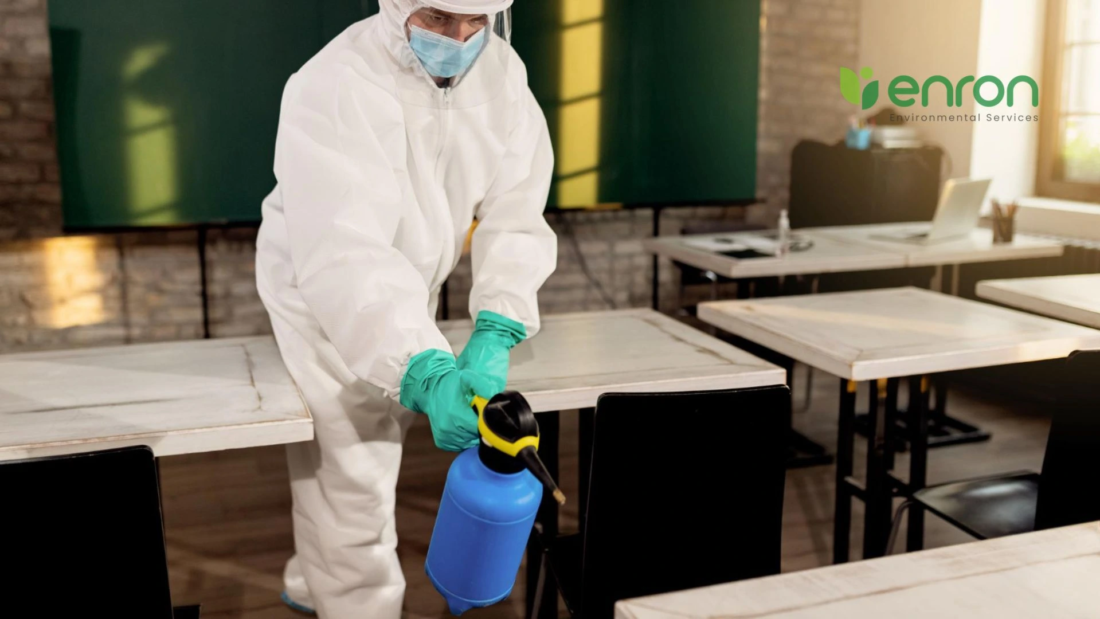
Maintaining hygiene standards in schools is essential for creating a safe, healthy, and productive learning environment. Schools are high-traffic spaces where hundreds or even thousands of students, teachers, and staff interact daily. Without proper hygiene practices, germs, bacteria, and viruses can spread quickly, increasing the risk of illness and affecting attendance, academic performance, and overall well-being. This blog, “How to Maintain Hygiene Standards in Schools,” is from Enron, the best cleaning company in UAE.
While periodic cleaning is important, maintaining hygiene standards throughout the year requires a consistent approach that includes regular cleaning, sanitation, awareness programs, and preventive measures. This guide explains why school hygiene matters, the challenges schools face, and practical strategies for maintaining cleanliness all year long.
Why School Hygiene Is Important
Schools play a significant role in children’s development, and a clean environment supports both physical health and learning outcomes.
Proper hygiene standards help:
- Reduce the spread of infections and illnesses
- Improve student attendance
- Create a healthier learning environment
- Enhance concentration and academic performance
- Promote positive habits among students
- Protect teachers and staff from health risks
A clean school environment also reassures parents that their children are studying in a safe and hygienic setting.
Common Hygiene Challenges in Schools
Schools face unique cleaning and sanitation challenges because of the large number of people using shared spaces every day.
Some common challenges include:
- High-touch surfaces that accumulate germs
- Shared classrooms and learning materials
- Busy washrooms and sanitation facilities
- Food waste in cafeterias
- Dust accumulation in classrooms and hallways
- Seasonal illnesses are spreading among students
Addressing these challenges requires a proactive and year-round hygiene strategy.
Develop a Comprehensive Cleaning Schedule
One of the most effective ways to maintain hygiene standards is by implementing a structured cleaning schedule.
Daily Cleaning Tasks
Daily housekeeping is supposed to target areas that are regularly accessed.
These tasks may include:
- Sweeping and mopping floors
- Cleaning desks and chairs
- Sanitizing door handles
- Emptying waste bins
- Cleaning restrooms
- Disinfecting shared equipment
Regular cleaning prevents dirt and bacteria from accumulating.
Weekly Cleaning Tasks
Weekly cleaning should target areas that require more detailed attention.
Examples include:
- Window cleaning
- Dusting shelves and cabinets
- Deep cleaning restroom facilities
- Sanitising computer labs
- Cleaning cafeteria seating areas
Weekly maintenance helps maintain overall cleanliness throughout the school.
Monthly and Seasonal Deep Cleaning
Deep cleaning should be scheduled during weekends, holidays, or school breaks.
Deep cleaning may include:
- Carpet cleaning
- Floor polishing
- Ventilation cleaning
- Wall cleaning
- Furniture sanitization
- Storage room organization
The process aids in removing any form of dirt and creating a cleaner environment.
Focus on High-Touch Surfaces
High-touch surfaces are among the most common sources of germ transmission in schools.
Areas that require frequent sanitisation include:
- Door handles
- Light switches
- Handrails
- Classroom desks
- Computer keyboards
- Shared learning equipment
- Cafeteria tables
Disinfection plays a key role in preventing the transfer of germs and bacteria.
Maintain Clean and Hygienic Restrooms
School restrooms require special attention because they are used frequently throughout the day.
Restroom Hygiene Best Practices
- Clean and disinfect toilets regularly
- Refill soap dispensers frequently
- Ensure continuous access to handwashing facilities
- Clean mirrors and sinks daily
- Maintain proper ventilation
Well-maintained restrooms encourage students to practice good hygiene habits.
Promote Hand Hygiene Among Students
Hand washing is among the easiest and most efficient means of preventing diseases.
Schools should encourage students to wash their hands:
- Before meals
- After using the restroom
- After outdoor activities
- After coughing or sneezing
Educational posters and awareness campaigns can help reinforce proper handwashing techniques.
Improve Classroom Hygiene
Classrooms are where students spend most of their time.
Classroom Hygiene Measures
- Regular desk cleaning
- Daily floor cleaning
- Proper waste disposal
- Dust-free teaching materials
- Good ventilation
Teachers can also encourage students to keep their personal spaces organized and clean.
Maintain Cafeteria and Food Preparation Areas
School cafeterias must meet strict hygiene standards because food safety directly impacts student health.
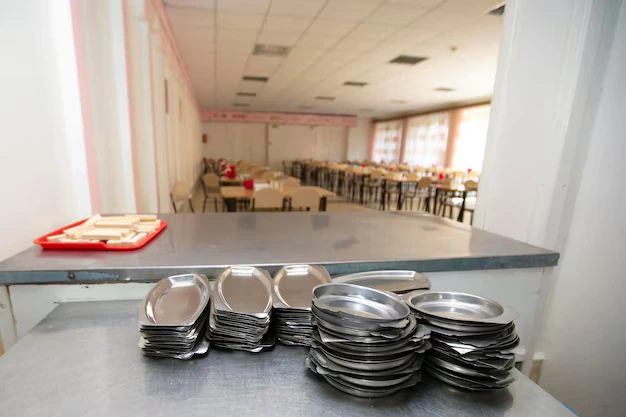
Cafeteria Hygiene Tips
- Clean dining tables after each use
- Dispose of food waste promptly
- Sanitise food preparation surfaces
- Maintain clean storage areas
- Follow food safety guidelines
Proper cafeteria hygiene reduces the risk of contamination and foodborne illnesses.
Ensure Proper Waste Management
Efficient waste management is an important part of school hygiene.
Best Practices Include:
- Placing waste bins in convenient locations
- Separating recyclable materials
- Emptying bins daily
- Cleaning waste storage areas regularly
Proper waste disposal prevents odours, pest infestations, and unsanitary conditions. You can contact Enron, a waste management company in Dubai, for better waste management.
Improve Indoor Air Quality
Clean air is an important part of a healthy school environment.
Ways to Improve Air Quality
- Clean air vents regularly
- Maintain HVAC systems
- Ensure proper ventilation
- Reduce dust accumulation
- Use air filtration systems where necessary
Good air quality supports respiratory health and student comfort.
Educate Students About Hygiene
Maintaining hygiene is a shared responsibility.
Schools can promote hygiene awareness through:
- Educational programs
- Classroom discussions
- Posters and signage
- Hygiene campaigns
- Student participation activities
Teaching good hygiene habits helps students adopt practices that benefit them throughout their lives.
Implement Infection Prevention Measures
Schools should have procedures in place to minimize the spread of contagious illnesses.
Measures may include:
- Encouraging sick students to stay home
- Regular surface disinfection
- Providing hand sanitisers
- Promoting respiratory hygiene
Proactive prevention helps maintain a healthier school community.
Schedule Professional Cleaning Services
While daily maintenance is important, professional cleaning provides a deeper level of hygiene.
Professional services can help with:
- Deep cleaning classrooms
- Carpet cleaning
- Window cleaning
- Floor maintenance
- Restroom sanitization
- High-level cleaning
Professional cleaning ensures that difficult-to-reach and heavily used areas receive proper attention.
The Importance of Year-Round Hygiene Management
School hygiene should not be treated as a seasonal activity. Consistent maintenance throughout the year helps prevent the accumulation of dirt, bacteria, and allergens.
A year-round hygiene strategy supports:
- Better student health
- Improved attendance
- Enhanced learning environments
- Increased safety
- Greater confidence among parents and staff
How Professional Cleaning Services Support Schools
Educational institutions often require specialized cleaning solutions to maintain hygiene standards.
Professional cleaning providers can assist schools with:
- Daily cleaning programs
- Deep cleaning during holidays
- Disinfection services
- Waste management support
- Floor and carpet maintenance
These services help schools maintain a consistently clean environment while allowing staff to focus on educational activities.
Conclusion
Maintaining hygiene standards in schools throughout the year requires a combination of regular cleaning, sanitation, awareness, and preventive measures. Clean classrooms, hygienic restrooms, proper waste management, and regular disinfection all contribute to a healthier learning environment.
By implementing structured cleaning schedules and promoting good hygiene practices, schools can reduce the spread of illness, improve student well-being, and create a more productive educational atmosphere.
A commitment to year-round hygiene not only protects students and staff but also supports the overall success and reputation of educational institutions.