

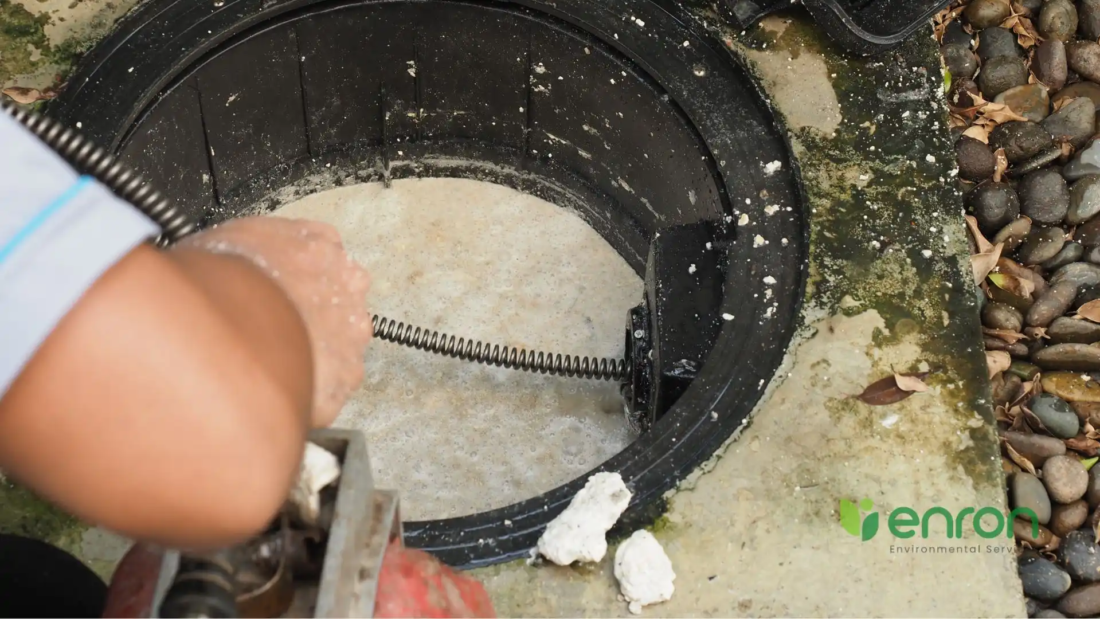
grease trap for restaurant kitchen

Grease Trap for Restaurant Kitchen: Importance, Installation, and Cleaning Guide

A restaurant kitchen produces a large amount of grease, oil, and food waste every day. When these substances enter the drainage system, they can cause severe blockages, unpleasant odours, and even damage to plumbing infrastructure. This is where a grease trap for restaurant kitchens becomes essential.

Grease traps are designed to capture fats, oils, and grease (FOG) before they enter the drainage system. Proper installation and regular cleaning help maintain hygiene, protect plumbing systems, and ensure compliance with local regulations. Professional grease trap installation and cleaning services make the process easier and more effective for restaurant owners.

What is a Grease Trap?

A grease trap is a plumbing device installed in commercial kitchens to intercept fats, oils, and grease from wastewater before it flows into the sewer system.

Restaurant kitchens use large quantities of cooking oil, butter, and fatty food ingredients. When these substances are washed down sinks, they cool and solidify inside pipes. Over time, this leads to blockages that can disrupt kitchen operations.

Grease traps work by separating grease from wastewater. The grease floats on top, solids settle at the bottom, and the relatively clean water flows into the drainage system.

Why Grease Traps Are Important for Restaurant Kitchens
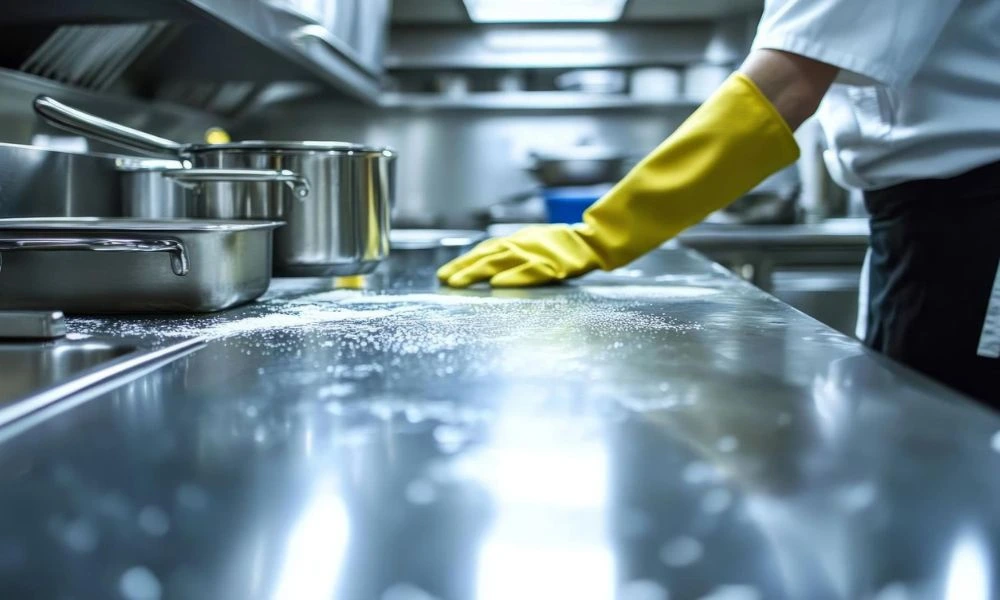
grease trap for restaurant kitchen

1. Prevents Drain Blockages

Grease buildup is one of the most common causes of blocked kitchen drains. A grease trap captures these substances before they enter pipes.

2. Improves Kitchen Hygiene

Accumulated grease in pipes can create foul odours and attract pests. Proper grease management helps maintain a hygienic kitchen environment.

3. Protects Plumbing Systems

Grease can harden inside pipes and cause costly plumbing damage. Grease traps protect the entire drainage system.

4. Helps Meet Regulatory Requirements

Many municipalities require restaurants to install grease traps to prevent sewer contamination.

5. Supports Environmental Protection

Grease entering public sewer systems can cause serious environmental problems. Grease traps reduce pollution and protect wastewater systems.

How Grease Traps Work

Grease traps operate using a simple separation process.

  1. Wastewater from sinks enters the grease trap.
  2. Fats, oils, and grease float to the surface.
  3. Food particles settle at the bottom.
  4. Clean water flows out through the outlet pipe.

Over time, the grease layer grows thicker. If it is not removed regularly, the trap becomes ineffective. This is why regular grease trap cleaning is essential.

Types of Grease Traps Used in Restaurant Kitchens

Passive Grease Traps

These are small units usually installed under sinks. They are suitable for smaller kitchens and require frequent cleaning.

Automatic Grease Removal Units

These systems automatically remove grease from the trap and store it in a container. They are commonly used in busy commercial kitchens.

Large Outdoor Grease Interceptors

Large restaurants often use outdoor grease interceptors that handle higher volumes of wastewater.

Selecting the right type of grease trap depends on kitchen size, cooking volume, and local regulations.

Grease Trap Installation for Restaurant Kitchen

Proper installation is essential for grease traps to function efficiently. The installation process typically includes:

  • Assessing kitchen layout and drainage system
  • Selecting the appropriate grease trap size
  • Installing the unit near sinks or dishwashing areas
  • Connecting the grease trap to the plumbing system
  • Testing the system for proper operation

Professional installation ensures that the grease trap meets local standards and operates efficiently.

Importance of Regular Grease Trap Cleaning

Grease traps must be cleaned regularly to maintain their effectiveness. When the grease layer becomes too thick, the trap can overflow or allow grease to enter the drainage system.

Common signs that a grease trap needs cleaning include:

  • Slow-draining sinks
  • Unpleasant odours in the kitchen
  • Grease is overflowing from the trap
  • Increased pest activity

Routine cleaning prevents these problems and ensures smooth kitchen operations.

Recommended Grease Trap Cleaning Schedule

Cleaning frequency depends on kitchen usage. However, general guidelines include:

  • Small restaurants: every 1–2 weeks
  • Medium restaurants: every 2–4 weeks
  • High-volume kitchens: weekly cleaning

Professional cleaning services use specialised equipment to remove grease safely and dispose of waste according to environmental regulations.

Benefits of Professional Grease Trap Services

Managing grease traps requires technical knowledge and proper tools. Professional services offer several advantages:

  • Safe grease removal
  • Proper waste disposal
  • Compliance with regulations
  • Prevention of plumbing issues
  • Improved kitchen hygiene

Expert technicians ensure that grease traps operate efficiently and remain free from blockages.

Grease Trap Installation and Cleaning Services by Enron

Professional grease trap services help restaurants maintain clean and efficient kitchen environments. Enron provides reliable grease trap installation and grease trap cleaning services in Dubai, helping commercial kitchens manage fats, oils, and grease effectively.

Experienced technicians assess kitchen requirements and install the appropriate grease trap system. Regular cleaning services ensure that grease traps function properly, preventing blockages and maintaining hygiene standards.

By using professional services, restaurants can focus on their operations while ensuring their drainage systems remain safe and efficient.

Conclusion

Grease traps play a crucial role in maintaining the efficiency and hygiene of restaurant kitchens. They prevent grease from entering drainage systems, protect plumbing infrastructure, and support environmental sustainability.

However, grease traps require proper installation and regular cleaning to function effectively. Professional grease trap services ensure that restaurant kitchens remain clean, compliant, and free from drainage issues.

For restaurants looking to maintain a safe and hygienic kitchen environment, expert grease trap installation and cleaning services provide a practical and reliable solution.
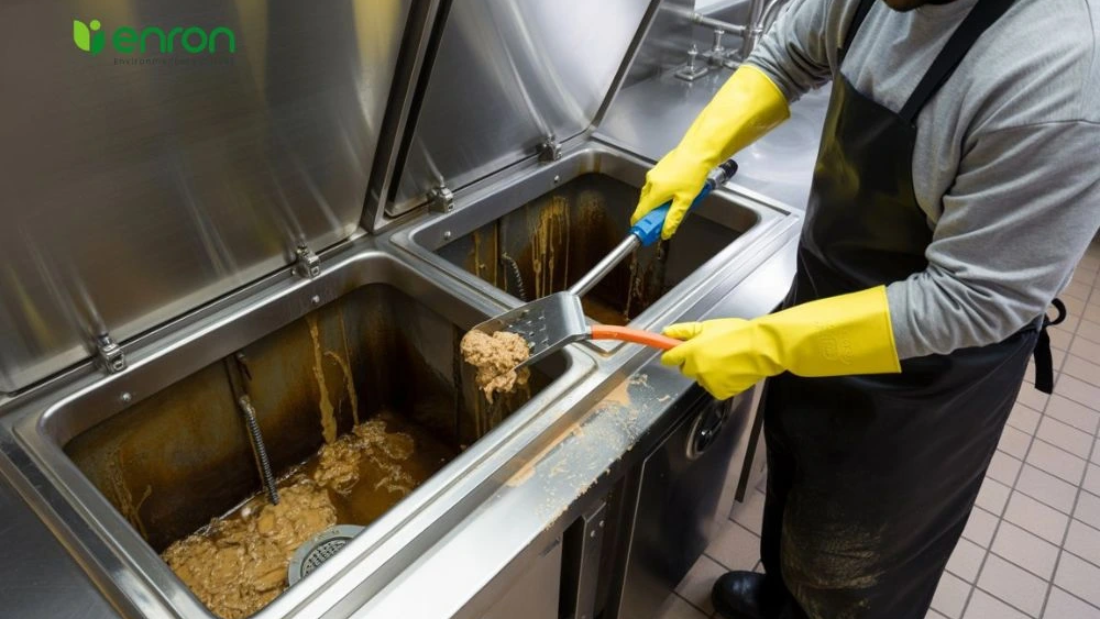

Grease Trap Cleaning Necessary

Why Is Grease Trap Cleaning Necessary? A Complete Guide for Commercial Kitchens

Grease trap cleaning is a critical yet often overlooked aspect of maintaining commercial kitchens, restaurants, hotels, cafeterias, and food processing facilities. In fast-paced food service environments, grease traps quietly perform an essential role behind the scenes. When not properly maintained, they can become a major source of plumbing failures, health risks, legal issues, and operational downtime. For businesses aiming to maintain hygiene, efficiency, and compliance, understanding the importance of grease trap cleaning is non-negotiable.

Enron, a professional cleaning company in Dubai, emphasizes the importance of regular grease trap maintenance as part of responsible facility management. With experience in handling commercial cleaning requirements, Enron highlights grease trap cleaning as a preventive measure that protects businesses from avoidable risks and expenses.

What Is a Grease Trap and How Does It Work?

A grease trap, also known as a grease interceptor, is a plumbing device designed to capture fats, oils, and grease (commonly referred to as FOG) from wastewater before it enters the main drainage system. During daily kitchen operations such as cooking, washing utensils, and food preparation, grease inevitably flows down sinks and drains. Grease traps slow down the wastewater flow, allowing grease and solids to rise to the surface while cleaner water flows into the sewer line.

Grease trap cleaning necessary; let’s look at why. Over time, grease, food particles, and sludge accumulate inside the trap. Without regular cleaning, this buildup reduces the trap’s effectiveness and leads to serious operational problems.

Preventing Drain Blockages and Plumbing Issues

One of the most important reasons grease trap cleaning is necessary is to prevent blocked drains and damaged plumbing systems. When grease traps become full, excess grease escapes into pipelines, where it cools and solidifies. This leads to slow drainage, frequent clogs, pipe corrosion, and, in severe cases, sewage backflow into kitchens.

Such plumbing failures can halt business operations, cause property damage, and require costly emergency repairs. Regular grease trap cleaning ensures smooth wastewater flow and protects the entire drainage system from grease-related blockages.

Maintaining Hygiene and Food Safety Standards

Unclean grease traps pose serious hygiene risks. Accumulated grease decomposes over time, producing foul odors and creating an ideal breeding ground for bacteria, insects, and rodents. In food service environments, this directly impacts food safety and cleanliness standards.

Health inspectors pay close attention to grease trap conditions during inspections. Poorly maintained traps can lead to violations, fines, or even temporary closure. Routine grease trap cleaning helps maintain a clean and sanitary kitchen environment, supporting safe food handling practices and protecting public health.

Compliance With Local Regulations and Environmental Laws

Many municipalities in Dubai and across the UAE enforce strict regulations regarding grease disposal and wastewater management. Businesses are required to clean grease traps at specified intervals and maintain records of service.

Failure to comply can result in penalties, legal action, or suspension of operations. Regular grease trap cleaning ensures compliance with local authority requirements and demonstrates responsible waste management practices. Professional cleaning services like Enron help businesses stay aligned with regulatory standards through systematic and documented cleaning procedures.

Reducing Environmental Impact

Grease entering public sewer systems contributes to environmental damage and infrastructure problems. Large grease blockages, often referred to as fatbergs, can clog municipal sewer lines and contaminate water systems. These issues require extensive cleanup efforts and place a heavy burden on public infrastructure.

By keeping grease traps clean, businesses prevent fats and oils from entering the sewer system. Proper grease trap maintenance supports environmental sustainability and reflects a commitment to responsible operations.

Improving Kitchen Efficiency and Daily Operations

A neglected grease trap can disrupt daily kitchen activities. Slow-draining sinks, unpleasant odors, and emergency plumbing issues affect staff productivity and customer experience. In contrast, a well-maintained grease trap allows kitchens to operate efficiently without interruptions.

Regular grease trap cleaning reduces unexpected downtime and ensures that kitchens function smoothly during peak hours. This consistency is especially important for restaurants and hotels where operational delays can lead to customer dissatisfaction and revenue loss.

Extending the Lifespan of Grease Trap Systems

Grease traps are long-term investments, but their lifespan depends heavily on proper maintenance. When grease and sludge are allowed to harden inside the trap, internal components can corrode or become damaged. This reduces efficiency and may require premature replacement.

Routine cleaning prevents buildup-related damage, helping grease traps operate effectively for years. Scheduled maintenance ultimately saves businesses money by reducing repair and replacement costs.

Enhancing Brand Image and Customer Confidence

Cleanliness plays a major role in shaping customer perception. Unpleasant odors, visible sanitation issues, or failed inspections can quickly damage a business’s reputation. Regular grease trap cleaning demonstrates professionalism, responsibility, and attention to detail.

Businesses that prioritize hygiene are more likely to earn customer trust, positive reviews, and repeat visits. Maintaining clean back-of-house systems reflects a strong commitment to quality and safety.

Now we hope that you have a clear image of why grease trap cleaning is necessary.

Why Professional Grease Trap Cleaning Matters

While some businesses attempt to manage grease traps internally, professional cleaning ensures thorough and compliant results. Professional services use specialized equipment to remove grease, sludge, and solid waste effectively without damaging the system.

enron logo

Enron provides professional grease trap cleaning services tailored to commercial requirements in Dubai. With trained technicians, proper disposal practices, and scheduled maintenance plans, Enron supports businesses in maintaining hygienic and regulation-compliant kitchens.

Conclusion

Grease trap cleaning is a vital maintenance task that directly impacts plumbing health, hygiene standards, regulatory compliance, environmental protection, and operational efficiency. Neglecting this essential service can lead to serious consequences, including costly repairs, health violations, and business disruptions.

Regular grease trap cleaning ensures smooth kitchen operations, protects infrastructure, and supports a clean and safe environment. For commercial kitchens seeking reliable and professional cleaning solutions, Enron delivers effective grease trap cleaning services that help businesses operate responsibly and efficiently.