Sewage Storage Tank Works

How a Sewage Storage Tank Works: A Simple Guide for Beginners

Managing wastewater safely is essential for every home, apartment, and commercial building. One of the most important systems that makes this possible is the Sewage Storage Tank. If you are new to the concept or planning to install one, this beginner-friendly guide will help you understand how it works, why it matters, and how to maintain it properly. Let’s talk about how a sewage storage tank works.

What Is a Sewage Storage Tank?

A Sewage Storage Tank is a sealed container designed to collect and temporarily store wastewater from toilets, kitchens, and bathrooms. Unlike septic tanks, which treat waste to some extent, storage tanks mainly hold sewage safely until it is removed and transported to a proper treatment facility.

These tanks are commonly used in:

  • Residential homes
  • Apartments and villas
  • Commercial buildings
  • Construction sites
  • Remote locations without direct sewage lines

Their main goal is to prevent pollution, protect public health, and ensure safe waste disposal.

Why Sewage Storage Tanks Are Important

A properly functioning Sewage Storage Tank plays a major role in modern sanitation systems. Here’s why it is important:

  • Prevents groundwater contamination
  • Stops foul odours from spreading
  • Keeps living environments hygienic
  • Reduces health risks from bacteria and harmful waste
  • Supports safe waste transportation and treatment

Without proper sewage storage, untreated waste can enter soil and water sources, creating serious environmental and health hazards.

How a Sewage Storage Tank Works (Step-by-Step)

Understanding how the system works helps you manage it better. Here is a simple breakdown:

1. Wastewater Collection

All wastewater from your building flows through pipes into the Sewage Storage Tank. This includes water from toilets, sinks, showers, and washing areas.

2. Storage and Separation

Inside the tank:

  • Solid waste settles at the bottom (sludge)
  • Liquids remain in the middle layer
  • Grease and lighter materials float on top

This natural separation helps in easier removal and safe handling.

3. Safe Containment

The tank is built with strong materials such as concrete, plastic, or fiberglass to ensure no leakage or contamination occurs. The sealed structure prevents bad smells and keeps harmful bacteria contained.

4. Regular Pumping and Cleaning

Once the tank fills up, it must be emptied by professional cleaning services. Regular pumping prevents overflow and maintains system efficiency.

If you are located in the UAE, many property owners depend on the best sewage cleaning services in Dubai. to ensure their tanks are emptied and maintained safely and hygienically.

Key Components of a Sewage Storage Tank System

To function properly, a Sewage Storage Tank includes several essential parts:

  • Inlet Pipe: carries wastewater into the tank
  • Storage Chamber: holds and separates waste
  • Vent Pipe: releases gases safely
  • Access Lid: allows inspection and cleaning
  • Outlet or Pumping Access: used for removing waste

Each component plays a role in keeping the system safe and effective.

Types of Sewage Storage Tanks

There are several types of tanks available based on your needs:

1. Concrete Tanks

  • Strong and long-lasting
  • Suitable for large buildings
  • Resistant to pressure and damage

2. Plastic (Polyethylene) Tanks

  • Lightweight and easy to install
  • Affordable for residential use
  • Corrosion-resistant

3. Fiberglass Tanks

  • Durable and leak-proof
  • Ideal for harsh environments
  • Low maintenance

Choosing the right type depends on your property size, usage, and budget.

Maintenance Tips for Beginners

Regular maintenance is the key to long-lasting performance. Follow these simple tips:

  • Schedule regular inspections
  • Pump out waste before the tank is full
  • Avoid dumping chemicals, oil, or plastic waste
  • Check for leaks or cracks
  • Keep the surrounding area clean and accessible

Hiring a professional service provider helps ensure safe and effective cleaning. Many homeowners rely on a Best Cleaning Company in Dubai to handle sewage tank maintenance with proper equipment and trained staff.

Common Problems and How to Avoid Them

Even a well-built Sewage Storage Tank can face issues if not maintained properly. Here are common problems and solutions:

Overflow

 Cause: delayed cleaning
Solution: schedule timely pumping

Bad Odour

 Cause: blocked vents or full tank
Solution: clean vents and empty tank

Leakage

 Cause: cracks or damage
Solution: repair or replace damaged parts

Blocked Pipes

 Cause: solid waste buildup
Solution: regular inspection and cleaning

Preventive care is always easier and cheaper than repairs.

Environmental Benefits of Proper Sewage Storage

Using a well-maintained Sewage Storage Tank contributes to environmental protection in many ways:

  • Prevents contamination of lakes, rivers, and groundwater
  • Reduces spread of harmful bacteria
  • Supports safe waste recycling and treatment
  • Promotes cleaner and healthier communities

Proper sewage management is a responsibility for every property owner.

Conclusion 

A Sewage Storage Tank is an essential part of safe and effective waste management. By understanding how it works, maintaining it regularly, and choosing the right type, you can ensure a clean, hygienic, and environmentally friendly living space.

Whether you are a homeowner, builder, or business owner, investing in proper sewage storage is not just a necessity it is a long-term solution for health, safety, and sustainability.

septic tank emptying

Septic Tank Emptying: The Complete Guide to Safe, Efficient & Responsible Waste Management

Septic tank emptying is one of the most important yet overlooked aspects of property maintenance. Whether for residential villas, commercial buildings, restaurants, labour accommodations, or industrial facilities, septic systems require regular care to function efficiently. When neglected, septic tanks can cause foul odours, sewage backups, groundwater contamination, health hazards, and expensive structural damage.

This comprehensive guide explains everything property owners and facility managers need to know about septic tank emptying, how septic systems work, why emptying is necessary, how often it should be done, warning signs to watch for, the cleaning process, costs involved, and best maintenance practices.

Understanding How a Septic Tank Works

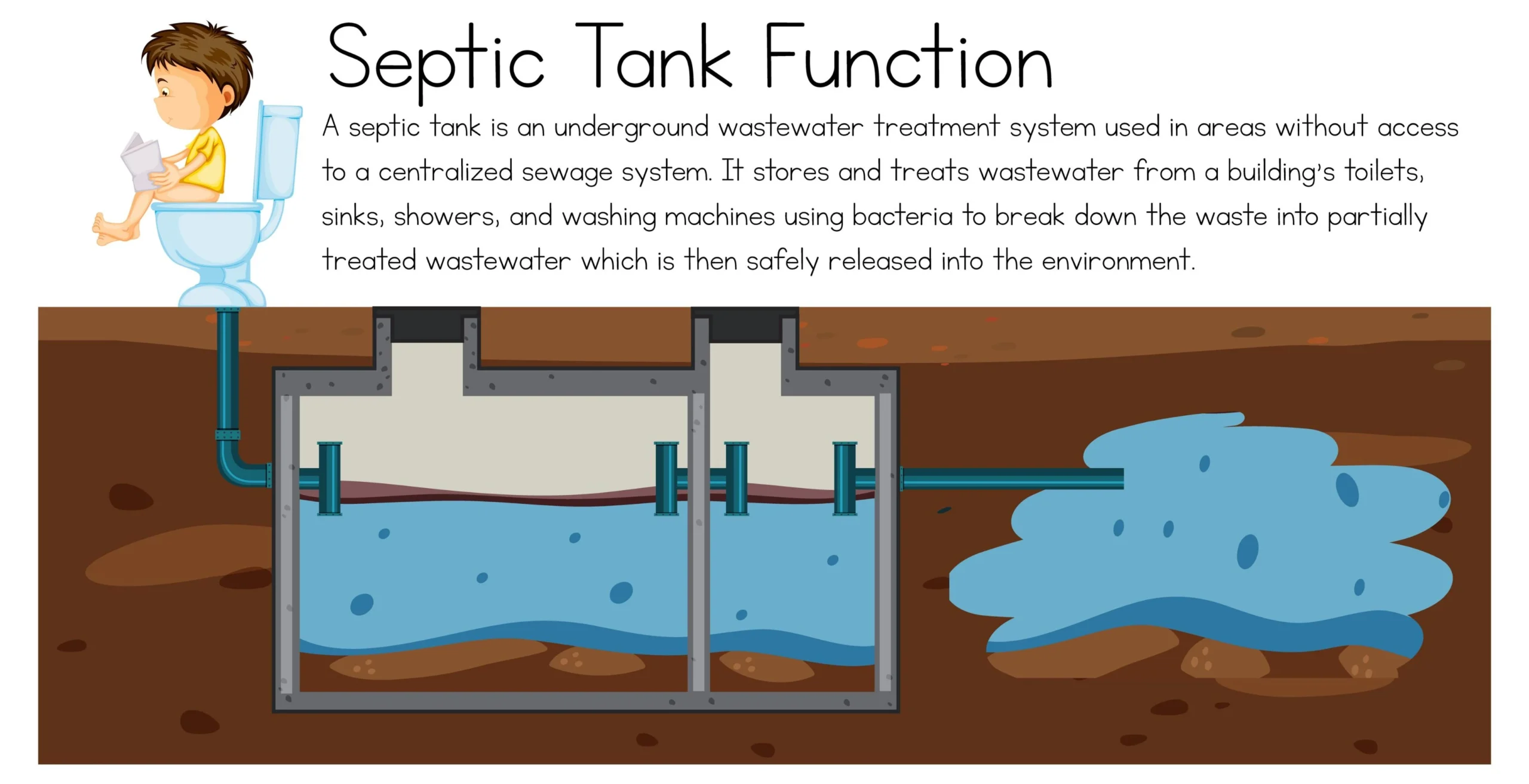
A septic tank is an underground wastewater treatment system commonly used in areas that are not connected to a centralized sewer network. It collects wastewater from toilets, sinks, showers, kitchens, and floor drains.

septic tank function

Inside the tank, wastewater separates into three layers:

  1. Sludge – Heavy solid waste that settles at the bottom.
  2. Scum – Oils, grease, and lighter materials that float on top.
  3. Effluent – Partially treated liquid water in the middle layer.

The effluent flows into a drain field (also known as a soakaway or leach field), where it is filtered naturally through soil. Meanwhile, sludge and scum remain inside the tank. Over time, these layers accumulate and must be removed through septic tank emptying.

Without regular pumping, the tank becomes overloaded, causing system failure.

What Is Septic Tank Emptying?

Septic tank emptying, also called septic tank pumping or desludging, is the process of removing accumulated sludge, scum, and wastewater from the tank using specialized vacuum tankers and pumping equipment.

This service restores the tank’s capacity, prevents overflow, and ensures proper wastewater treatment. Septic tank emptying is not optional; it is a necessary preventive maintenance measure.

Why Septic Tank Emptying Is Necessary

1. Prevents Sewage Backups

When sludge fills a large portion of the tank, wastewater has nowhere to go. As a result, it may back up into sinks, toilets, and floor drains. Sewage backups are not only unpleasant but also hazardous to health.

Routine emptying prevents this scenario.

2. Protects the Drain Field

The drain field plays a critical role in filtering wastewater. If solids escape from an overfilled tank into the drain field, they can clog the soil pores. Once clogged, the drain field may fail completely.

Repairing or replacing a drain field is extremely expensive. Regular septic tank emptying protects this vital component.

3. Eliminates Foul Odors

Decomposing waste produces strong, unpleasant smells. If the septic tank is not emptied regularly, these odors can spread around the property or even indoors.

Professional pumping removes accumulated waste and significantly reduces odor problems.

4. Reduces Health Risks

Septic waste contains bacteria, viruses, and harmful pathogens. Leakage or overflow can contaminate surrounding soil and groundwater, posing serious health risks to residents and nearby communities.

Proper septic tank maintenance ensures safe and hygienic wastewater management.

5. Prevents Structural Damage

Overflowing wastewater can damage flooring, walls, landscaping, and building foundations. In commercial settings, this can disrupt operations and result in costly downtime.

Preventive emptying protects both property and infrastructure.

6. Ensures Environmental Protection

Untreated sewage can pollute groundwater, nearby water bodies, and soil. Environmental contamination may lead to legal consequences and community health concerns.

Routine septic tank emptying supports responsible environmental practices.

How Often Should a Septic Tank Be Emptied?

The frequency depends on several factors:

  • Tank size
  • Number of occupants
  • Daily water usage
  • Waste type
  • Commercial or residential use

General Recommendations:

  • Small households (2–4 people): Every 2–3 years
  • Large households (5+ people): Every 1–2 years
  • Restaurants and commercial kitchens: Every 3–6 months
  • Labor camps or industrial facilities: Based on occupancy and waste volume

High water consumption or improper waste disposal may require more frequent service.

Warning Signs That Your Septic Tank Needs Emptying

Property owners should never ignore early signs of septic issues. Common indicators include:

  • Slow-draining sinks and toilets
  • Gurgling sounds in plumbing
  • Sewage odors indoors or outdoors
  • Water pooling near the tank area
  • Unusually green grass above the septic tank
  • Frequent drain blockages
  • Sewage backups

If any of these signs appear, immediate professional inspection is recommended.

The Septic Tank Emptying Process Explained

Professional septic tank emptying involves a structured and safe procedure.

1. Initial Inspection

Technicians locate the septic tank and inspect sludge levels using measuring tools. They assess overall system condition before starting.

2. Safety Preparation

The area is secured, and proper safety equipment is used. Septic tanks contain toxic gases like methane and hydrogen sulfide, which require careful handling.

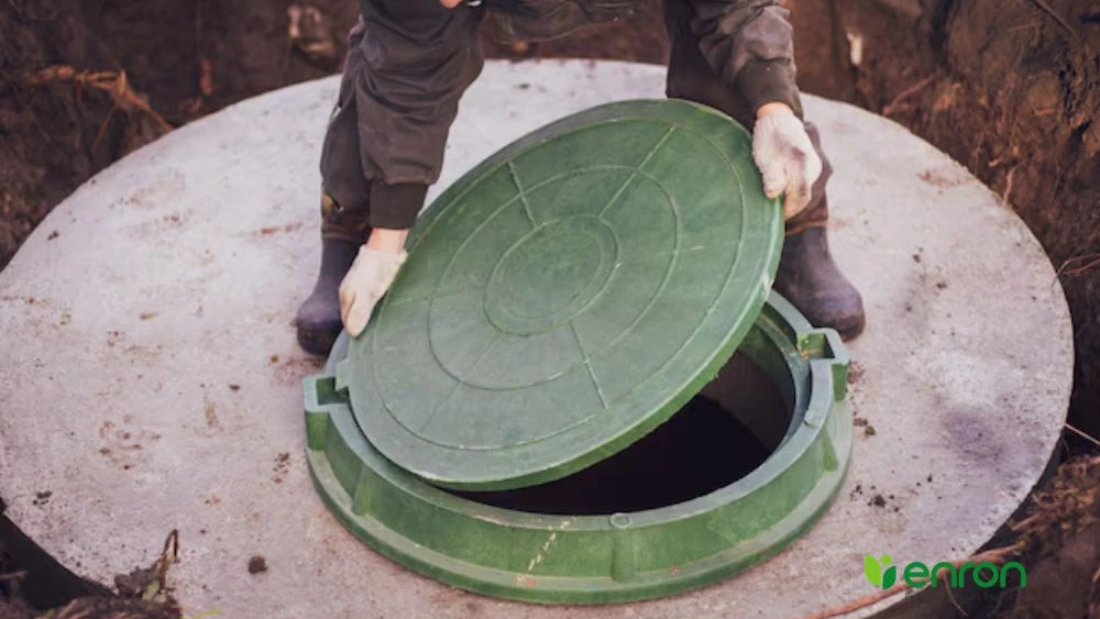
3. Opening the Tank

The tank lid is carefully removed to access internal compartments.

4. Vacuum Pumping

A vacuum tanker hose is inserted into the tank. Powerful suction equipment removes sludge, scum, and liquid waste.

5. Cleaning the Tank (If Needed)

In cases of heavy buildup, high-pressure water jetting may be used to clean tank walls and break down stubborn deposits.

6. Final Inspection

Technicians check baffles, pipes, and system components to ensure everything is functioning properly.

7. Proper Waste Disposal

Collected waste is transported to authorized treatment facilities in accordance with environmental regulations.

Residential vs Commercial Septic Tank Systems

Residential Systems

  • Lower waste volume
  • Longer intervals between services
  • Mainly domestic wastewater

Commercial Systems

  • Higher wastewater output
  • Greater grease and solid waste accumulation
  • Strict regulatory requirements
  • Requires more frequent emptying

Restaurants and food businesses often need both septic tank emptying and grease trap cleaning to prevent system overload.

Common Mistakes That Damage Septic Systems

Many septic problems arise from improper usage. Avoid these mistakes:

  • Flushing wipes, diapers, or sanitary products
  • Pouring cooking oil and grease down drains
  • Using excessive chemical cleaners
  • Ignoring routine inspections
  • Attempting DIY septic pumping

Professional servicing is always recommended due to health risks and regulatory standards.

By choosing Enron for septic tank emptying, property owners benefit from:

  • Professional vacuum pumping equipment
  • Experienced and trained technicians
  • Fast response and scheduled maintenance plans
  • Safe and eco-friendly waste disposal
  • Reduced risk of system failure and costly repairs

Regular septic tank emptying by Enron, the best cleaning company in UAE, helps maintain a clean, odor-free, and fully functional wastewater system, providing peace of mind for homeowners and business operators alike.

How to Maintain a Healthy Septic System

Between emptying services, property owners can extend system life by:

  • Conserving water usage
  • Fixing leaking taps and toilets
  • Avoiding the disposal of non-biodegradable waste
  • Installing grease traps in commercial kitchens
  • Scheduling periodic inspections
  • Avoiding heavy vehicle traffic over the tank area

Preventive habits significantly reduce maintenance costs.

Cost of Septic Tank Emptying

Pricing depends on:

  • Tank capacity
  • Waste volume
  • Accessibility of the tank
  • Location
  • Frequency of service
  • Commercial vs residential requirements

Although costs vary, routine maintenance is far more affordable than emergency repairs or system replacement.

Risks of Ignoring Septic Tank Maintenance

Failure to empty septic tanks regularly may result in:

  • Sewage flooding
  • Drain field failure
  • Environmental contamination
  • Health hazards
  • Regulatory penalties
  • Property damage
  • Expensive emergency repairs

Preventive care always costs less than corrective repairs.

Septic Tank Emptying and Regulatory Compliance

Many municipalities require regular septic tank maintenance to protect public health and the environment. Businesses may be required to maintain service records and follow approved disposal methods.

Professional septic tank emptying services ensure compliance with these regulations, reducing the risk of fines or legal action.

The Importance of Choosing a Reliable Service Provider

When selecting a septic tank emptying company, consider:

  • Experience and expertise
  • Proper equipment
  • Licensed operations
  • Compliance with environmental standards
  • Transparent pricing
  • Emergency support availability

Choosing the right service provider ensures safety, efficiency, and long-term system health.

Septic Tank Cleaning Dubai: What UAE Residents Should Know

In the UAE, especially in areas where properties are not fully connected to centralized sewer systems, septic tanks are widely used in villas, labor accommodations, warehouses, restaurants, and industrial zones. Due to high water usage, warm climate conditions, and dense occupancy in some facilities, septic systems in the region require consistent monitoring and maintenance.

For property owners and facility managers, septic tank cleaning Dubai services are essential to prevent unexpected system failures. The hot climate in the UAE can accelerate bacterial activity inside septic tanks, leading to faster sludge accumulation and stronger odors if tanks are not emptied regularly. Additionally, commercial properties such as restaurants generate higher wastewater volumes, requiring more frequent servicing.

Municipal regulations in Dubai and other Emirates emphasize proper wastewater disposal and environmental protection. Hiring professional septic tank cleaning Dubai providers ensures that waste is removed safely and transported to approved treatment facilities in compliance with UAE environmental standards.

Regular septic tank cleaning in Dubai helps residents and businesses:

  • Prevent sewage overflow and foul odors
  • Protect underground infrastructure
  • Maintain hygiene in high-temperature conditions
  • Avoid regulatory penalties
  • Extend the lifespan of septic systems

Given the region’s rapid development and strict environmental policies, routine septic tank maintenance is not just recommended; it is a responsible necessity for property owners across the UAE.

Conclusion

Septic tank emptying is not just a routine task it is an essential component of responsible property maintenance. Whether for residential homes or high-capacity commercial facilities, regular septic pumping protects infrastructure, supports hygiene, ensures environmental safety, and prevents costly repairs.

Ignoring septic tank maintenance can lead to serious consequences, including sewage backups, contamination, structural damage, and regulatory penalties. By scheduling routine inspections and professional emptying services, property owners can maintain a reliable, safe, and efficient wastewater system.

Investing in timely septic tank emptying is a proactive decision that safeguards health, property value, and environmental responsibility.

Grease Trap Cleaning Necessary

Why Is Grease Trap Cleaning Necessary? A Complete Guide for Commercial Kitchens

Grease trap cleaning is a critical yet often overlooked aspect of maintaining commercial kitchens, restaurants, hotels, cafeterias, and food processing facilities. In fast-paced food service environments, grease traps quietly perform an essential role behind the scenes. When not properly maintained, they can become a major source of plumbing failures, health risks, legal issues, and operational downtime. For businesses aiming to maintain hygiene, efficiency, and compliance, understanding the importance of grease trap cleaning is non-negotiable.

Enron, a professional cleaning company in Dubai, emphasizes the importance of regular grease trap maintenance as part of responsible facility management. With experience in handling commercial cleaning requirements, Enron highlights grease trap cleaning as a preventive measure that protects businesses from avoidable risks and expenses.

What Is a Grease Trap and How Does It Work?

A grease trap, also known as a grease interceptor, is a plumbing device designed to capture fats, oils, and grease (commonly referred to as FOG) from wastewater before it enters the main drainage system. During daily kitchen operations such as cooking, washing utensils, and food preparation, grease inevitably flows down sinks and drains. Grease traps slow down the wastewater flow, allowing grease and solids to rise to the surface while cleaner water flows into the sewer line.

Grease trap cleaning necessary; let’s look at why. Over time, grease, food particles, and sludge accumulate inside the trap. Without regular cleaning, this buildup reduces the trap’s effectiveness and leads to serious operational problems.

Preventing Drain Blockages and Plumbing Issues

One of the most important reasons grease trap cleaning is necessary is to prevent blocked drains and damaged plumbing systems. When grease traps become full, excess grease escapes into pipelines, where it cools and solidifies. This leads to slow drainage, frequent clogs, pipe corrosion, and, in severe cases, sewage backflow into kitchens.

Such plumbing failures can halt business operations, cause property damage, and require costly emergency repairs. Regular grease trap cleaning ensures smooth wastewater flow and protects the entire drainage system from grease-related blockages.

Maintaining Hygiene and Food Safety Standards

Unclean grease traps pose serious hygiene risks. Accumulated grease decomposes over time, producing foul odors and creating an ideal breeding ground for bacteria, insects, and rodents. In food service environments, this directly impacts food safety and cleanliness standards.

Health inspectors pay close attention to grease trap conditions during inspections. Poorly maintained traps can lead to violations, fines, or even temporary closure. Routine grease trap cleaning helps maintain a clean and sanitary kitchen environment, supporting safe food handling practices and protecting public health.

Compliance With Local Regulations and Environmental Laws

Many municipalities in Dubai and across the UAE enforce strict regulations regarding grease disposal and wastewater management. Businesses are required to clean grease traps at specified intervals and maintain records of service.

Failure to comply can result in penalties, legal action, or suspension of operations. Regular grease trap cleaning ensures compliance with local authority requirements and demonstrates responsible waste management practices. Professional cleaning services like Enron help businesses stay aligned with regulatory standards through systematic and documented cleaning procedures.

Reducing Environmental Impact

Grease entering public sewer systems contributes to environmental damage and infrastructure problems. Large grease blockages, often referred to as fatbergs, can clog municipal sewer lines and contaminate water systems. These issues require extensive cleanup efforts and place a heavy burden on public infrastructure.

By keeping grease traps clean, businesses prevent fats and oils from entering the sewer system. Proper grease trap maintenance supports environmental sustainability and reflects a commitment to responsible operations.

Improving Kitchen Efficiency and Daily Operations

A neglected grease trap can disrupt daily kitchen activities. Slow-draining sinks, unpleasant odors, and emergency plumbing issues affect staff productivity and customer experience. In contrast, a well-maintained grease trap allows kitchens to operate efficiently without interruptions.

Regular grease trap cleaning reduces unexpected downtime and ensures that kitchens function smoothly during peak hours. This consistency is especially important for restaurants and hotels where operational delays can lead to customer dissatisfaction and revenue loss.

Extending the Lifespan of Grease Trap Systems

Grease traps are long-term investments, but their lifespan depends heavily on proper maintenance. When grease and sludge are allowed to harden inside the trap, internal components can corrode or become damaged. This reduces efficiency and may require premature replacement.

Routine cleaning prevents buildup-related damage, helping grease traps operate effectively for years. Scheduled maintenance ultimately saves businesses money by reducing repair and replacement costs.

Enhancing Brand Image and Customer Confidence

Cleanliness plays a major role in shaping customer perception. Unpleasant odors, visible sanitation issues, or failed inspections can quickly damage a business’s reputation. Regular grease trap cleaning demonstrates professionalism, responsibility, and attention to detail.

Businesses that prioritize hygiene are more likely to earn customer trust, positive reviews, and repeat visits. Maintaining clean back-of-house systems reflects a strong commitment to quality and safety.

Now we hope that you have a clear image of why grease trap cleaning is necessary.

Why Professional Grease Trap Cleaning Matters

While some businesses attempt to manage grease traps internally, professional cleaning ensures thorough and compliant results. Professional services use specialized equipment to remove grease, sludge, and solid waste effectively without damaging the system.

enron logo

Enron provides professional grease trap cleaning services tailored to commercial requirements in Dubai. With trained technicians, proper disposal practices, and scheduled maintenance plans, Enron supports businesses in maintaining hygienic and regulation-compliant kitchens.

Conclusion

Grease trap cleaning is a vital maintenance task that directly impacts plumbing health, hygiene standards, regulatory compliance, environmental protection, and operational efficiency. Neglecting this essential service can lead to serious consequences, including costly repairs, health violations, and business disruptions.

Regular grease trap cleaning ensures smooth kitchen operations, protects infrastructure, and supports a clean and safe environment. For commercial kitchens seeking reliable and professional cleaning solutions, Enron delivers effective grease trap cleaning services that help businesses operate responsibly and efficiently.

Daily Cleaning Room Tips

Daily Cleaning Room Tips for a Clean and Healthy Home

Maintaining a clean and organized room is more than just a chore it directly impacts your health, productivity, and overall well-being. Whether you live alone or with family, keeping your personal space tidy can make your home feel more comfortable and inviting. In this blog, we’ll explore effective cleaning room tips that are easy to implement in daily life, helping you maintain a fresh and hygienic environment.

Start With a Daily Routine

One of the most effective ways to keep your room clean is to create a daily routine. Simple habits like making your bed every morning, organizing your desk, and putting away clothes can make a huge difference over time. By following consistent cleaning room tips, you prevent clutter from building up and make deep cleaning sessions much easier. Remember, small, regular efforts often save more time than irregular, intense cleaning marathons.

Declutter and Organise

Clutter not only makes a room look messy but also adds unnecessary stress. Sorting through your possessions and removing things you no longer need should be your first step. To keep everything in its proper place, use organisers, shelves, and storage boxes. One of the best cleaning room tips is to adopt the “one in, one out” rule: for every new item you bring in, remove something old. This helps maintain a balanced and organized space effortlessly.

Focus on High-Touch Surfaces

High-touch surfaces like doorknobs, light switches, and desks can accumulate dust and germs quickly. Regularly disinfecting these areas is crucial for a healthy living environment. Using eco-friendly cleaning solutions and microfiber cloths ensures surfaces are sanitized without causing damage. Implementing these cleaning room tips will not only improve hygiene but also create a welcoming space for both family and guests.

Incorporate Professional Help

Sometimes, professional cleaning services can make maintaining a spotless room much easier. If you’re looking for reliability and expertise, the best cleaning company in Dubai offers tailored solutions for homes and offices, ensuring every corner is spotless. Professional cleaners use specialised equipment and techniques that save time while maintaining high hygiene standards, complementing your daily cleaning habits.

Invest in Smart Storage Solutions

Efficient storage is key to keeping a room tidy. Use multi-purpose furniture, under-bed storage, or wall-mounted organisers to make the most of your space. These solutions reduce clutter and make cleaning easier, especially when you follow consistent cleaning room tips. A well-organised room not only looks appealing but also promotes mental clarity and reduces stress.

Regular Deep Cleaning

While daily maintenance is important, deep cleaning your room periodically is essential to remove dust, allergens, and hidden dirt. Focus on carpets, curtains, and hard-to-reach corners. Vacuuming, steam cleaning, and wiping surfaces thoroughly can make a big difference. Hiring a house cleaning company in Dubai occasionally ensures that deep cleaning is performed professionally, keeping your room hygienic and extending the life of your furniture and fabrics.

Keep Air Fresh and Healthy

A clean room is not only about surfaces it also includes fresh air. Open windows regularly to let in sunlight and airflow. Consider using air purifiers if you live in a dusty area. These simple cleaning room tips can significantly improve indoor air quality, creating a healthier environment and reducing allergens, especially for children or individuals with respiratory issues.

Sustainable Cleaning Practices

Using eco-friendly cleaning techniques is beneficial to your health as well as the environment. Use natural cleaning solutions, like vinegar and baking soda, and minimize chemical cleaners that may cause irritation. Sustainable habits align with modern cleaning strategies while making your home safer for all family members.

Why Choose Enron UAE?

For residents in Dubai, Enron UAE stands out as a leading provider of professional cleaning services. Enron, recognised as the best cleaning company in Dubai, provides commercial, industrial, and residential cleaning services while prioritising safety, hygiene, and environmental responsibility. Our expert team ensures customised cleaning strategies, making it easier for homeowners to maintain spotless spaces without stress. By collaborating with such trusted professionals, you complement your daily cleaning room tips, achieving a consistently clean and healthy environment.

 Conclusion

Maintaining a clean room doesn’t need to feel overwhelming. By incorporating simple daily habits, decluttering, focusing on high-touch surfaces, and occasionally using professional cleaning services, anyone can maintain a tidy and healthy living space. Whether you follow cleaning room tips on your own consistency is key. Remember, a clean room enhances not just your home’s appearance but also your quality of life.

ac duct cleaning company

AC Duct Cleaning: Why It’s Essential for Better Indoor Air Quality

Indoor air quality has a direct impact on our health, comfort, and daily productivity, yet it is often overlooked. We spend most of our time indoors at home, in offices, or in commercial spaces breathing air that circulates repeatedly through air conditioning systems. Over time, dust, allergens, and pollutants build up inside ducts, silently affecting the air we breathe. This is where ac duct cleaning plays a crucial role. It is not just a maintenance task but an essential step toward creating a cleaner, healthier indoor environment for everyone.

Clean air ducts help maintain a balanced indoor atmosphere by reducing the circulation of harmful particles, which is why ac duct cleaning is so important for indoor environments. When ducts are neglected, they become a storage space for dust, pet dander, pollen, bacteria, and even mold spores. Each time the AC runs, these contaminants are pushed back into living spaces. This can lead to discomfort, unpleasant odors, and long-term health concerns, especially for children, elderly individuals, and those with respiratory sensitivities.

What Is AC Duct Cleaning and How Does the Process Work?

AC duct cleaning is the process of removing accumulated dust, debris, and contaminants from the ductwork of an air conditioning system. It involves specialized tools that dislodge dirt from duct walls, followed by high-powered vacuum systems that safely extract the particles. The procedure also ensures proper airflow hygiene throughout the system. When done correctly, duct cleaning restores the system’s ability to circulate fresh, clean air throughout the space.

ac duct cleaning service

Health Benefits of Clean Air Ducts

One of the most important reasons to focus on duct cleanliness is health. Poor indoor air quality can lead to allergies, asthma flare-ups, headaches, and constant tiredness. Regular ac duct cleaning helps reduce airborne irritants and creates a safer breathing environment.

Cleaner ducts result in:

  • Fewer allergens in the air
  • Improved comfort for sensitive individuals
  • Better overall indoor well-being

For families and workplaces, this means fewer sick days and a noticeable improvement in daily comfort.

Improved AC Performance and Energy Efficiency

Dirty ducts don’t just affect air quality; they also impact how efficiently an AC system operates, making ac duct cleaning essential for maintaining proper airflow. When airflow is blocked by dust buildup, the system must work harder to maintain the desired temperature. This additional strain increases energy consumption and can shorten the lifespan of the unit.

Clean ducts allow air to flow freely, which:

  • Improves cooling performance
  • Reduces electricity bills
  • Helps the AC system run smoothly for longer periods

Importance of Professional Expertise

While some basic cleaning tasks can be done at home, duct systems require professional attention to ensure thorough and safe cleaning. Professional duct cleaning services in Dubai employ top-notch machinery and skilled specialists who understand complex HVAC systems.

Professional handling ensures that:

  • Contaminants are removed safely
  • Ducts are not damaged during cleaning
  • Pollutants are not released back into indoor spaces

This level of expertise is especially important in regions with high dust levels and year-round AC usage.

Choosing the Right Cleaning Partner

Selecting the right service provider is key to achieving long-lasting results. The best cleaning company in dubai follows safety standards, uses eco-friendly cleaning techniques, and maintains transparent service procedures.

A reliable cleaning partner will:

  • Inspect ducts before cleaning
  • Explain the cleaning process clearly
  • Provide guidance on future maintenance schedules

This professional approach ensures not only cleanliness but also peace of mind for homeowners and businesses.

best ac duct cleaning company

How Often Should Ducts Be Cleaned?

The frequency of duct cleaning depends on several factors, including location, usage, and indoor conditions. More frequent cleaning may be required for:

  • Homes with pets or smokers
  • Properties after renovations
  • Commercial spaces with heavy foot traffic

In general, ducts should be inspected every one to two years. Regular inspections help identify issues early and prevent serious air quality problems.

Safety, Process, and Long-Term Value

A professional duct cleaning process is safe, non-intrusive, and designed to protect indoor environments. Technicians seal the system during cleaning to prevent dust from spreading and ensure proper waste disposal.

Regular AC duct cleaning is a long-term investment that:

  • Reduces wear and tear on AC units
  • Lowers maintenance and repair costs
  • Supports a consistently fresh indoor atmosphere

A Note on Professional Cleaning Support

Maintaining healthy indoor air quality also depends on working with experienced and reliable service providers. In the UAE, companies like Enron Cleaning Services focus on delivering professional solutions that support cleaner, safer indoor environments. Their expertise spans multiple facility cleaning and environmental services, helping residential and commercial spaces maintain hygiene standards and long-term system efficiency. Choosing such a qualified service partner can make a meaningful difference in overall indoor comfort and air quality management.

Conclusion

Clean air ducts are essential for maintaining healthy indoor air quality, efficient cooling, and overall comfort. Ignoring duct maintenance can lead to health risks, higher energy costs, and reduced system lifespan. By understanding the importance of professional cleaning and timely inspections, homeowners and businesses can make informed decisions that benefit both health and efficiency. Ultimately, clean ducts mean cleaner air, and that’s something everyone deserves.

Ready for guaranteed results? Contact Enron at +971 54 468 2927 today for professional ac duct cleaning you can trust. Their experienced team delivers cleaner air and healthier indoor spaces. Book your service now.

Kitchen canopy cleaning

Kitchen Canopy Cleaning: A Complete Guide

Kitchen canopy cleaning is a crucial maintenance task for commercial kitchens, restaurants, hotels, cafeterias, and food processing units. Often overlooked, the kitchen canopy (also known as an exhaust hood) plays a vital role in maintaining air quality, fire safety, hygiene, and compliance with health regulations. This complete guide explains what kitchen canopy cleaning is, why it is essential, how it is done, and how often it should be performed. As the best kitchen hood cleaning company in Dubai, Enron shares everything about kitchen canopy cleaning.

What Is Kitchen Canopy Cleaning?

A kitchen canopy is installed above cooking equipment to capture smoke, grease vapours, heat, and airborne particles generated during cooking. Over time, grease and oil accumulate on the canopy, filters, ductwork, and exhaust fans. Kitchen canopy cleaning refers to the thorough removal of grease, dirt, and contaminants from these components to ensure safe and efficient operation.

Professional canopy cleaning involves cleaning the hood interior and exterior, grease filters, ducts (if included), and exhaust fans using specialised degreasers and equipment.

Why Is Kitchen Canopy Cleaning Important?

Why kitchen canopy cleaning important

1. Fire Safety

Grease buildup is highly flammable. A small spark or high cooking temperature can ignite accumulated grease, leading to serious kitchen fires. Regular kitchen canopy cleaning significantly reduces fire risks and is often required by fire safety authorities.

2. Hygiene and Food Safety

Grease, smoke residue, and airborne contaminants create an unhygienic environment. These residues can drip onto cooking surfaces or food preparation areas, increasing the risk of contamination. Clean canopies support safe food handling and hygienic kitchen operations.

3. Improved Air Quality

A dirty kitchen canopy restricts airflow, allowing smoke, heat, and odours to circulate inside the kitchen. Proper cleaning ensures efficient ventilation, creating a healthier and more comfortable working environment for kitchen staff.

4. Compliance With Health and Safety Regulations

Local authorities and food safety inspectors require commercial kitchens to maintain clean exhaust systems. Failure to meet standards can result in fines, penalties, or temporary closure. Routine canopy cleaning helps businesses remain compliant with regulations.

5. Extends Equipment Lifespan

Grease buildup can corrode metal components and reduce the efficiency of exhaust systems. Regular cleaning prevents damage, reduces maintenance costs, and extends the life of kitchen ventilation equipment.

Components Involved in Kitchen Canopy Cleaning

A complete kitchen canopy cleaning service typically includes:

  • Canopy Hood (Interior & Exterior): Removal of grease layers and stains.
  • Grease Filters: Soaking and degreasing to restore airflow efficiency.
  • Exhaust Fans: Cleaning fan blades and housing to maintain performance.
  • Ducting (if required): Removing grease deposits from internal ductwork.
  • Drain Channels: Clearing grease traps and drainage points connected to the canopy.

How Kitchen Canopy Cleaning Is Done

  1. Inspection:
    The process begins with an inspection to assess grease buildup and identify areas needing attention.
  2. Preparation:
    Surrounding kitchen equipment and surfaces are covered to prevent contamination. Power supply to the exhaust system is switched off.
  3. Degreasing:
    Industrial-grade, food-safe degreasers are applied to loosen stubborn grease and oil deposits.
  4. Scrubbing and Pressure Cleaning:
    Grease is removed using manual scrubbing, steam cleaning, or pressure washing, depending on buildup severity.
  5. Filter Cleaning:
    Filters are soaked in degreasing solutions, rinsed, dried, and reinstalled.
  6. Final Inspection:
    The system is checked to ensure all components are clean and functioning properly.

How Often Should Kitchen Canopy Cleaning Be Done?

The frequency of cleaning depends on kitchen usage and cooking type:

  • Heavy-use kitchens (24/7 restaurants, hotels, fast food outlets): Every 1–2 months
  • Moderate-use kitchens: Every 3 months
  • Light-use kitchens or cafeterias: Every 6 months

Fire safety and health authorities may mandate specific cleaning intervals, so it is important to follow local regulations.

Signs Your Kitchen Canopy Needs Cleaning

  • Strong grease or smoke odors in the kitchen
  • Visible grease dripping from the hood
  • Reduced airflow or excessive heat buildup
  • Sticky residue on walls and ceilings
  • Failed health or fire inspections

Ignoring these signs can lead to serious safety and hygiene issues.

Professional vs In-House Canopy Cleaning

While basic surface cleaning can be done in-house, professional kitchen canopy cleaning is strongly recommended. Professionals use specialized tools, high-temperature steam, and approved degreasers to remove deep-seated grease safely and effectively. They also ensure proper waste disposal and provide documentation for inspections.

Professional Kitchen Canopy Cleaning Services by Enron

Enron provides reliable and professional kitchen canopy cleaning services tailored for commercial kitchens across Dubai. With extensive experience in handling restaurant, hotel, and industrial kitchen environments, Enron ensures that kitchen canopies, exhaust hoods, and grease filters are thoroughly cleaned to meet hygiene and fire safety standards.

The team at Enron follows a systematic cleaning process using industry-approved degreasers and advanced equipment to remove stubborn grease, oil residues, and carbon buildup. Each cleaning service focuses on improving ventilation efficiency, reducing fire risks, and supporting compliance with local health and safety regulations.

Enron understands that every kitchen operates differently. Therefore, cleaning schedules are customized based on kitchen size, cooking intensity, and regulatory requirements. From routine maintenance to deep canopy cleaning, Enron helps commercial kitchens maintain a safe, odor-free, and hygienic working environment.

By choosing Enron, the best cleaning company in UAE, for kitchen canopy cleaning, businesses benefit from professional service, detailed inspections, proper waste disposal, and documented cleaning records, making inspections and audits smoother and stress-free.

Benefits of Regular Kitchen Canopy Cleaning

  • Reduced fire hazards
  • Compliance with health and safety regulations
  • Improved ventilation efficiency
  • Cleaner, odor-free kitchens
  • Longer equipment lifespan
  • Better working conditions for staff
  • Enhanced business reputation

Conclusion

Kitchen canopy cleaning is not just a routine cleaning task; it is an essential part of commercial kitchen maintenance. Regular and professional cleaning ensures fire safety, hygiene, regulatory compliance, and smooth kitchen operations. Neglecting canopy cleaning can lead to serious risks, including fire incidents, health violations, and costly repairs.

For any food service establishment, investing in scheduled kitchen canopy cleaning is a smart and necessary step toward maintaining a safe, efficient, and professional kitchen environment.

apartment deep clean

Apartment Deep Clean: A Complete Guide for Spotless and Healthy Living

An apartment deep clean goes far beyond routine cleaning. It focuses on removing hidden dirt, bacteria, allergens, and grime that accumulate over time in hard-to-reach areas. Whether preparing for a move, post-renovation cleanup, seasonal maintenance, or restoring hygiene, deep cleaning plays a crucial role in maintaining a safe and healthy living environment.

This complete guide explains what apartment deep cleaning involves, why it is essential, what areas are covered, and when professional services are the best choice. Read this complete guide by Enron, the best cleaning company in Dubai, for getting detailed information about apartment deep cleaning.

What Is Apartment Deep Cleaning?

Apartment deep cleaning is a thorough, intensive cleaning process that targets areas often missed during regular cleaning. It includes detailed cleaning, sanitisation, and disinfection of surfaces, fixtures, appliances, and hidden spaces to ensure a hygienic living environment.

Unlike basic cleaning, deep cleaning focuses on:

  • Built-up grease, dust, and grime
  • Bacteria and allergens
  • Hidden and neglected areas
  • Odours and stains

Why Apartment Deep Cleaning Is Important

Apartment deep cleaning is not just about appearance; it directly impacts health, safety, and comfort.

Improves Indoor Air Quality

Dust, mould spores, pet dander, and allergens settle on surfaces and inside air ducts. Deep cleaning helps reduce respiratory issues and allergies.

Eliminates Germs and Bacteria

High-touch surfaces such as switches, handles, kitchen counters, and bathrooms harbour bacteria. Deep cleaning ensures proper sanitisation.

Prevents Pest Infestations

Food residue, grease, and clutter attract pests. Deep cleaning removes breeding grounds and reduces infestation risks.

Extends the life of Fixtures and Furniture

Regular deep cleaning prevents long-term damage to flooring, appliances, and upholstery.

Essential for Move-In and Move-Out

Many landlords and property managers require professional deep cleaning to meet handover standards.

What Does Apartment Deep Cleaning Include?

A professional apartment deep clean covers every room and surface in detail.

Living Room and Common Areas

  • Dusting of ceilings, walls, and corners
  • Cleaning of light fixtures, switches, and sockets
  • Deep vacuuming and mopping of floors
  • Cleaning skirting boards and door frames
  • Sofa, carpet, and curtain cleaning (if required)
  • Removal of stains and odours

Kitchen Deep Cleaning

The kitchen requires special attention due to grease and food residue.

  • Degreasing kitchen cabinets (inside and outside)
  • Deep cleaning countertops and backsplashes
  • Cleaning the stove, oven, microwave, and exhaust hood
  • Sink, taps, and drain sanitation
  • Refrigerator interior and exterior cleaning
  • Floor scrubbing and disinfection

Bathroom Deep Cleaning

Bathrooms are high-risk zones for bacteria and mould.

  • Tile and grout cleaning
  • Removal of limescale and hard water stains
  • Toilet, sink, bathtub, and shower sanitisation
  • Cleaning mirrors and glass surfaces
  • Disinfection of high-touch points
  • Odour elimination

Bedroom Deep Cleaning

  • Dust removal from all surfaces
  • Mattress vacuuming and sanitisation
  • Wardrobe interior and exterior cleaning
  • Cleaning windows and window tracks
  • Floor deep cleaning

Balcony and Outdoor Areas

  • Floor washing and stain removal
  • Wall and railing cleaning
  • Dust and debris removal
  • Drain cleaning

Windows, Doors, and Glass Surfaces

  • Interior and exterior glass cleaning
  • Frame and track cleaning
  • Removal of fingerprints and watermarks

AC and Ventilation Cleaning (Optional but Recommended)

  • AC vent dust removal
  • Filter cleaning
  • Improved airflow and air quality

Steam Cleaning in an Apartment Deep Cleaning

Steam cleaning is widely used during apartment deep cleaning due to its effectiveness and eco-friendly nature.

Benefits of Steam Cleaning:

  • Chemical-free sanitisation
  • Kills germs and bacteria
  • Removes stubborn grease and stains
  • Safe for children and pets
  • Reduces water usage

Steam cleaning is ideal for kitchens, bathrooms, sofas, mattresses, tiles, and grout lines.

When Should an Apartment Be Deep Cleaned?

Apartment deep cleaning is recommended:

  • Before moving in
  • After moving out
  • Post-renovation or painting
  • Every 6–12 months
  • After illness or pest treatment
  • Before special occasions

DIY vs Professional Apartment Deep Cleaning

DIY Cleaning Limitations

  • Time-consuming
  • Limited tools and chemicals
  • Difficult to reach hidden areas
  • Inconsistent results

Advantages of Professional Deep Cleaning

  • Trained and certified technicians
  • Industrial-grade equipment
  • Eco-friendly and safe methods
  • Detailed checklist-based cleaning
  • Compliance with hygiene standards

Professional services ensure thorough cleaning without damaging surfaces.

How Long Does Apartment Deep Cleaning Take?

The duration depends on:

  • Apartment size (studio, 1BHK, 2BHK, etc.)
  • Level of dirt and grease
  • Additional services like steam cleaning or sofa cleaning

On average:

  • Studio apartment: 3–4 hours
  • 1BHK: 4–5 hours
  • 2BHK and above: 5–8 hours

Apartment Deep Cleaning Checklist

image of apartment deep cleaning checklist
  • Floors, walls, ceilings
  • Kitchen appliances and cabinets
  • Bathrooms and sanitary fixtures
  • Bedrooms and wardrobes
  • Windows, doors, and glass
  • Furniture and upholstery
  • High-touch points sanitisation

Benefits of Professional Apartment Deep Cleaning in Dubai

  • Meets Dubai Municipality hygiene standards
  • Improves health and comfort
  • Saves time and effort
  • Ensures safe and eco-friendly cleaning
  • Ideal for tenants, landlords, and property managers

Conclusion

Apartment deep cleaning is an essential service that ensures a hygienic, comfortable, and healthy living space. It removes hidden dirt, bacteria, allergens, and odours that regular cleaning cannot address. Whether for routine maintenance, move-in readiness, or post-renovation care, deep cleaning protects both residents and property value.

Choosing a professional apartment deep cleaning service ensures thorough results, safety compliance, and long-lasting cleanliness, making it a smart investment for apartment living.

Industrial Cleaning Services

How Industrial Cleaning Services Improve Workplace Safety

Workplace safety is a critical concern in industrial environments where heavy machinery, hazardous materials, and high foot traffic are part of daily operations. Poor cleanliness can quickly turn into safety risks, leading to accidents, health hazards, and regulatory issues. Professional industrial cleaning services play a vital role in creating a safe, compliant, and productive workplace.

The Link Between Cleanliness and Workplace Safety

Industrial sites accumulate dust, grease, waste, and chemical residues over time. Without proper cleaning, these contaminants increase the risk of slips, fires, equipment failure, and health-related issues. Professional industrial cleaning services go beyond surface-level cleaning, focusing on high-risk areas that directly impact employee safety and operational efficiency.

Reduction of Slip, Trip, and Fall Hazards

Slips and falls are among the most common workplace accidents in industrial settings. Oil spills, grease buildup, dust, and debris on floors can create dangerous walking surfaces. Industrial cleaning services ensure regular removal of these hazards through deep cleaning methods, including steam cleaning and mechanical scrubbing, significantly reducing accident risks.

Improved Air Quality for Healthier Workspaces

Industrial environments often contain airborne pollutants such as dust, fumes, mould spores, and chemical vapours. Without proper cleaning, these pollutants affect indoor air quality and employee health. Professional industrial cleaning services include AC duct cleaning, ventilation system maintenance, and surface sanitation, helping reduce respiratory issues and improve overall workplace comfort.

Prevention of Fire Hazards

Grease, dust, and flammable residues are major fire risks in factories, warehouses, and commercial kitchens. Accumulation in ducts, machinery, and electrical areas can lead to fire outbreaks. Regular industrial cleaning removes combustible materials, supports fire safety compliance, and lowers the risk of unexpected incidents.

Safe Handling of Hazardous Waste

Many industrial workplaces generate hazardous waste that requires specialised handling and disposal. Professional cleaning teams are trained and certified to manage hazardous materials safely, following strict regulatory guidelines. This minimises exposure risks for employees and ensures proper waste removal without environmental harm.

Enhanced Equipment Safety and Performance

Dust and debris buildup on machinery can cause overheating, malfunctions, or sudden breakdowns. Industrial cleaning services help maintain equipment cleanliness, allowing machines to function safely and efficiently. Clean equipment not only improves safety but also extends operational lifespan and reduces maintenance costs.

Compliance with Safety Regulations

Industrial facilities in Dubai must adhere to strict safety and hygiene regulations set by the authorities. Professional industrial cleaning services support compliance with local regulations by maintaining cleanliness standards, documentation, and inspection readiness. This reduces the risk of penalties, shutdowns, or legal complications.

Control of Pest Infestations

Industrial spaces are highly susceptible to pest infestations due to waste accumulation and storage conditions. Pests pose serious health and safety threats. Integrated industrial cleaning and pest control services help eliminate breeding grounds, ensuring a safer and more hygienic workplace.

Boost in Employee Morale and Productivity

A clean and safe working environment positively impacts employee morale. Workers feel valued and protected, which leads to increased focus, efficiency, and productivity. Reduced accidents and health issues also mean fewer disruptions and absenteeism.

Importance of Professional Industrial Cleaning Services

Industrial cleaning requires specialised equipment, trained professionals, and strict safety protocols. Certified service providers deliver comprehensive cleaning solutions tailored to industrial environments, including waste removal, duct cleaning, water tank cleaning, and high-risk area sanitation.

As a Dubai Municipality licensed and certified environmental service provider, Enron delivers professional industrial cleaning services that prioritise safety, efficiency, and environmental responsibility. With advanced equipment, trained professionals, and structured inspections, Enron helps industrial facilities maintain safe and compliant workplaces across Dubai.

Conclusion

Industrial cleaning services play a crucial role in improving workplace safety by reducing hazards, improving air quality, preventing fires, and ensuring regulatory compliance. A clean industrial environment is not just about appearance; it is about protecting people, assets, and operations.

For industries in Dubai, partnering with a certified and experienced industrial cleaning service provider ensures a safer, healthier, and more productive workplace.

Benefits of steam cleaner

Benefits of Steam Cleaner: A Smart, Eco-Friendly Cleaning Solution

Maintaining hygiene in residential, commercial, and industrial spaces has become more critical than ever. Traditional cleaning methods often rely on harsh chemicals, excessive water usage, and repetitive manual effort. This is where steam cleaning stands out as a modern, efficient, and environmentally responsible solution. Understanding the benefits of steam cleaners helps property owners and facility managers make informed cleaning decisions that protect health, assets, and the environment.

What Is Steam Cleaning?

steam cleaning benefits

Steam cleaning uses high-temperature steam to loosen dirt, grease, stains, and bacteria from surfaces. The heat penetrates deep into pores, cracks, and hidden areas that conventional cleaning tools often miss. With minimal water and no harsh chemicals, steam cleaners are widely used for deep cleaning and sanitisation across multiple industries.

Benefits of Steam Cleaner

1. Chemical-Free and Eco-Friendly Cleaning

One of the biggest benefits of steam cleaner is that it does not rely on chemical detergents. High-temperature steam effectively breaks down dirt, grease, and pathogens using only water.

This makes steam cleaning:

  • Safe for children and pets
  • Ideal for food preparation areas
  • Environmentally responsible
  • Suitable for green cleaning standards

Eco-conscious cleaning companies in Dubai increasingly adopt steam cleaning to reduce environmental impact while maintaining superior hygiene levels.

2. Powerful Germ and Bacteria Elimination

Steam cleaners can eliminate up to 99.9% of bacteria, viruses, and allergens when used correctly. The extreme heat destroys microorganisms on contact, making it highly effective for sanitising high-touch surfaces.

Steam cleaning is especially beneficial for:

  • Kitchens and kitchen hoods
  • Washrooms
  • AC ducts and vents
  • Water tanks and pipelines
  • Commercial and industrial facilities

This makes steam cleaning an excellent choice for hospitals, restaurants, offices, and residential properties.

3. Deep Cleaning Without Surface Damage

Unlike abrasive cleaning methods, steam cleaning is gentle on surfaces while still delivering deep-cleaning results. It effectively removes grime from tiles, grout lines, carpets, upholstery, glass, and metal surfaces without causing scratches or wear.

Steam cleaning is suitable for:

  • Floors and tiles
  • Carpets and sofas
  • Curtains and mattresses
  • HVAC systems
  • Delicate equipment surfaces

When handled by trained professionals, steam cleaning extends the lifespan of surfaces and assets.

4. Effective Grease and Odour Removal

Steam cleaning excels at breaking down stubborn grease, oil, and residue that accumulate in kitchens, ducts, and industrial settings. It also neutralises unpleasant odours rather than masking them with fragrances.

This makes steam cleaning ideal for:

  • Kitchen hood and exhaust systems
  • Grease traps
  • Commercial kitchens
  • Food processing units

By removing grease build-up, steam cleaning also helps improve fire safety compliance. You can also contact Enron for grease trap cleaning and grease trap installation in Dubai, UAE.

5. Water-Efficient Cleaning Method

Steam cleaners use significantly less water compared to conventional washing or pressure cleaning methods. This is particularly important in regions like the UAE, where water conservation is a priority.

Low water consumption means:

  • Faster drying times
  • Reduced moisture-related damage
  • Lower operational costs
  • Sustainable cleaning practices

6. Improved Indoor Air Quality

Steam cleaning removes dust mites, mould spores, allergens, and pollutants that can negatively affect indoor air quality. Since no chemicals are involved, there are no harmful fumes or residues left behind.

This is especially beneficial for:

  • Homes with allergy sufferers
  • Office spaces
  • Hotels and hospitality properties
  • Schools and healthcare facilities

7. Versatility Across Multiple Services

Versatility across multiple services is also a big benefit of steam cleaner. Steam cleaners are highly versatile and can be used across a wide range of cleaning services, including:

  • AC duct cleaning
  • Water tank and septic tank cleaning
  • Building and facility cleaning
  • Pest control preparation
  • Hazardous waste surface sanitation

Professional environmental service providers in Dubai integrate steam cleaning into multiple specialised services to enhance safety and efficiency.

Why Professional Steam Cleaning Matters

While domestic steam cleaners offer basic benefits, professional-grade steam cleaning delivers far superior results. Certified technicians understand correct temperature levels, pressure control, and safety protocols required for different surfaces and environments.

As a Dubai Municipality licensed and certified environmental service provider, Enron adopts advanced steam cleaning techniques combined with proper inspections and follow-up procedures. This ensures effective cleaning, regulatory compliance, and long-term customer satisfaction across residential, commercial, and industrial projects.

Conclusion

Steam cleaning is more than just a modern cleaning trend. It is a smart, sustainable, and highly effective cleaning solution. From killing germs and removing grease to improving air quality and reducing environmental impact, the benefits of steam cleaners are extensive.

For properties in Dubai that demand high hygiene standards, eco-friendly practices, and professional execution, steam cleaning stands out as a reliable choice. When performed by experienced and certified professionals, it delivers unmatched cleanliness, safety, and peace of mind.

hospital waste management

Hospital Waste Management: Strategies for Safe Disposal

Hospital waste management is one of the most critical aspects of running healthcare facilities efficiently and safely. Proper handling and disposal of medical waste not only safeguard public health but also prevent environmental contamination. With the growing volume of hospital-generated waste, adopting systematic strategies has become essential for healthcare providers, administrative staff, and waste management professionals alike.

Understanding Hospital Waste

 Waste Management

Every day, hospitals generate different types of waste, from general items such as paper and packaging to hazardous and infectious materials like used syringes, bandages, expired medications, and laboratory samples. Improper disposal of such waste can lead to the spread of infections, injury to staff, and environmental hazards. Understanding the categories of hospital waste is the first step toward implementing effective waste management strategies.

Types of Hospital Waste

  • Infectious waste: Items contaminated with blood or other bodily fluids.
  • Sharps waste: Needles, scalpels, and other sharp objects.
  • Pharmaceutical waste: Expired or unused medications.
  • Chemical waste: Disinfectants, solvents, and lab chemicals.
  • General waste: Non-hazardous materials such as office supplies and packaging.

Recognizing these categories allows healthcare facilities to apply the correct disposal methods for each type, ensuring compliance with safety regulations and environmental standards.

Strategies for Effective Hospital Waste Management

1. Segregation at Source

The first and most crucial step in hospital waste management is waste segregation at the source. Hospitals must provide clearly labeled bins for different types of waste, including infectious, hazardous, and general waste. This practice minimizes the risk of cross-contamination and makes the subsequent handling and disposal processes safer and more efficient.

2. Safe Collection and Storage

Proper collection and temporary storage of medical waste is equally important. Waste should be stored in secure containers that are leak-proof, puncture-resistant, and clearly marked. Storage areas should be well-ventilated, clean, and accessible only to authorized personnel to reduce the risk of accidental exposure.

3. Transportation and Disposal

Transporting hospital waste requires strict adherence to regulatory guidelines. Waste should be transported using sealed containers and vehicles specifically designed for hazardous materials. Disposal methods depend on the type of waste, ranging from incineration for infectious waste to chemical neutralization for certain hazardous materials.

Many hospitals collaborate with experienced service providers to ensure compliance with local laws while maintaining safety standards. Partnering with the best waste management company in Dubai can help hospitals implement safe and reliable disposal systems efficiently.

4. Training and Awareness

A well-informed hospital staff is the backbone of an effective waste management system. Regular training programs should be conducted to educate staff about proper handling, segregation, and disposal procedures. This not only reduces the risk of occupational hazards but also encourages a culture of safety and responsibility within healthcare facilities.

Working with experts like the best cleaning company in dubai can ensure staff understand hygiene protocols and safe waste handling practices.

5. Documentation and Compliance

Accurate record-keeping is vital for tracking the amount, type, and disposal method of hospital waste. Hospitals must maintain logs and reports to ensure regulatory compliance and facilitate audits. Implementing a robust documentation system also allows for continuous improvement in waste management practices.

Role of Technology in Hospital Waste Management

Modern healthcare facilities are increasingly adopting technology-driven solutions to optimize waste management processes. Automated waste sorting systems, RFID tagging for tracking waste, and digital compliance monitoring are just a few examples. Such innovations improve efficiency, reduce human error, and ensure that waste is handled according to best practices.

Environmental and Health Benefits

Proper hospital waste management is not only a regulatory requirement but also a moral and environmental responsibility. Safe disposal prevents the spread of infectious diseases, protects hospital staff, and reduces the impact of hazardous waste on landfills, soil, and water sources. By implementing effective strategies, healthcare facilities contribute to overall public health and sustainability.

Best Practices for Healthcare Facilities

To achieve optimal hospital waste management, healthcare facilities should follow these best practices:

  • Develop a comprehensive waste management plan: Outline responsibilities, protocols, and emergency measures.
  • Regular audits: Monitor and evaluate waste handling practices to identify gaps.
  • Invest in proper equipment: Use color-coded bins, sharps containers, and protective gear.
  • Encourage staff participation: Engage all employees in promoting a culture of safety.
  • Partner with certified service providers: Collaborate with reputable waste disposal companies for compliance and efficiency.

These practices help hospitals maintain a structured approach to waste management, reducing risk and enhancing operational efficiency.

Conclusion

Hospital waste management is a critical aspect of healthcare operations, impacting staff safety, patient well-being, and environmental health. By adopting strategies like segregation at source, safe collection, proper transportation, staff training, and leveraging technology, hospitals can manage their waste effectively. Prioritizing hospital waste management reflects a facility’s commitment to health, safety, and sustainability. Partnering with professional service providers ensures compliance, efficiency, and a safer environment for everyone.

For safe and professional hospital waste management services, contact us today at 054 468 2927 and ensure a cleaner, safer healthcare environment.