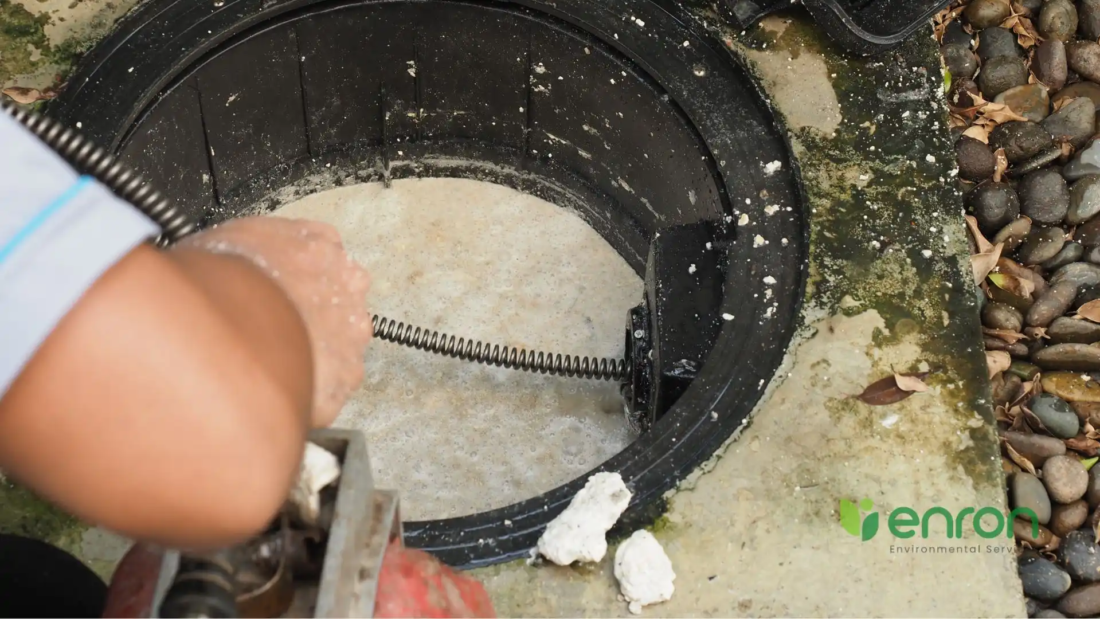
grease trap for restaurant kitchen

Grease Trap for Restaurant Kitchen: Importance, Installation, and Cleaning Guide

A restaurant kitchen produces a large amount of grease, oil, and food waste every day. When these substances enter the drainage system, they can cause severe blockages, unpleasant odours, and even damage to plumbing infrastructure. This is where a grease trap for restaurant kitchens becomes essential.

Grease traps are designed to capture fats, oils, and grease (FOG) before they enter the drainage system. Proper installation and regular cleaning help maintain hygiene, protect plumbing systems, and ensure compliance with local regulations. Professional grease trap installation and cleaning services make the process easier and more effective for restaurant owners.

What is a Grease Trap?

A grease trap is a plumbing device installed in commercial kitchens to intercept fats, oils, and grease from wastewater before it flows into the sewer system.

Restaurant kitchens use large quantities of cooking oil, butter, and fatty food ingredients. When these substances are washed down sinks, they cool and solidify inside pipes. Over time, this leads to blockages that can disrupt kitchen operations.

Grease traps work by separating grease from wastewater. The grease floats on top, solids settle at the bottom, and the relatively clean water flows into the drainage system.

Why Grease Traps Are Important for Restaurant Kitchens
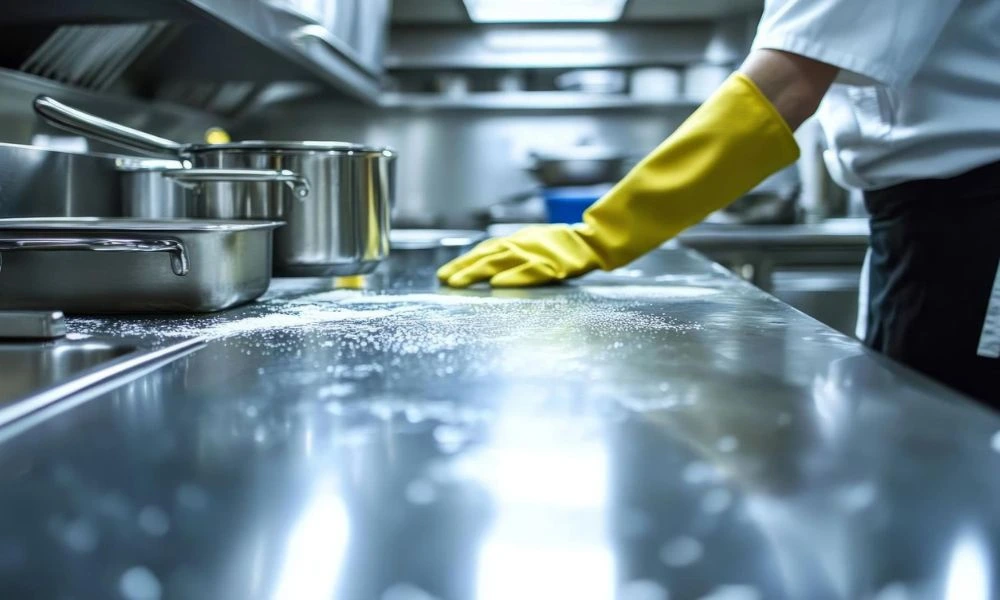
grease trap for restaurant kitchen

1. Prevents Drain Blockages

Grease buildup is one of the most common causes of blocked kitchen drains. A grease trap captures these substances before they enter pipes.

2. Improves Kitchen Hygiene

Accumulated grease in pipes can create foul odours and attract pests. Proper grease management helps maintain a hygienic kitchen environment.

3. Protects Plumbing Systems

Grease can harden inside pipes and cause costly plumbing damage. Grease traps protect the entire drainage system.

4. Helps Meet Regulatory Requirements

Many municipalities require restaurants to install grease traps to prevent sewer contamination.

5. Supports Environmental Protection

Grease entering public sewer systems can cause serious environmental problems. Grease traps reduce pollution and protect wastewater systems.

How Grease Traps Work

Grease traps operate using a simple separation process.

  1. Wastewater from sinks enters the grease trap.
  2. Fats, oils, and grease float to the surface.
  3. Food particles settle at the bottom.
  4. Clean water flows out through the outlet pipe.

Over time, the grease layer grows thicker. If it is not removed regularly, the trap becomes ineffective. This is why regular grease trap cleaning is essential.

Types of Grease Traps Used in Restaurant Kitchens

Passive Grease Traps

These are small units usually installed under sinks. They are suitable for smaller kitchens and require frequent cleaning.

Automatic Grease Removal Units

These systems automatically remove grease from the trap and store it in a container. They are commonly used in busy commercial kitchens.

Large Outdoor Grease Interceptors

Large restaurants often use outdoor grease interceptors that handle higher volumes of wastewater.

Selecting the right type of grease trap depends on kitchen size, cooking volume, and local regulations.

Grease Trap Installation for Restaurant Kitchen

Proper installation is essential for grease traps to function efficiently. The installation process typically includes:

  • Assessing kitchen layout and drainage system
  • Selecting the appropriate grease trap size
  • Installing the unit near sinks or dishwashing areas
  • Connecting the grease trap to the plumbing system
  • Testing the system for proper operation

Professional installation ensures that the grease trap meets local standards and operates efficiently.

Importance of Regular Grease Trap Cleaning

Grease traps must be cleaned regularly to maintain their effectiveness. When the grease layer becomes too thick, the trap can overflow or allow grease to enter the drainage system.

Common signs that a grease trap needs cleaning include:

  • Slow-draining sinks
  • Unpleasant odours in the kitchen
  • Grease is overflowing from the trap
  • Increased pest activity

Routine cleaning prevents these problems and ensures smooth kitchen operations.

Recommended Grease Trap Cleaning Schedule

Cleaning frequency depends on kitchen usage. However, general guidelines include:

  • Small restaurants: every 1–2 weeks
  • Medium restaurants: every 2–4 weeks
  • High-volume kitchens: weekly cleaning

Professional cleaning services use specialised equipment to remove grease safely and dispose of waste according to environmental regulations.

Benefits of Professional Grease Trap Services

Managing grease traps requires technical knowledge and proper tools. Professional services offer several advantages:

  • Safe grease removal
  • Proper waste disposal
  • Compliance with regulations
  • Prevention of plumbing issues
  • Improved kitchen hygiene

Expert technicians ensure that grease traps operate efficiently and remain free from blockages.

Grease Trap Installation and Cleaning Services by Enron

Professional grease trap services help restaurants maintain clean and efficient kitchen environments. Enron provides reliable grease trap installation and grease trap cleaning services in Dubai, helping commercial kitchens manage fats, oils, and grease effectively.

Experienced technicians assess kitchen requirements and install the appropriate grease trap system. Regular cleaning services ensure that grease traps function properly, preventing blockages and maintaining hygiene standards.

By using professional services, restaurants can focus on their operations while ensuring their drainage systems remain safe and efficient.

Conclusion

Grease traps play a crucial role in maintaining the efficiency and hygiene of restaurant kitchens. They prevent grease from entering drainage systems, protect plumbing infrastructure, and support environmental sustainability.

However, grease traps require proper installation and regular cleaning to function effectively. Professional grease trap services ensure that restaurant kitchens remain clean, compliant, and free from drainage issues.

For restaurants looking to maintain a safe and hygienic kitchen environment, expert grease trap installation and cleaning services provide a practical and reliable solution.

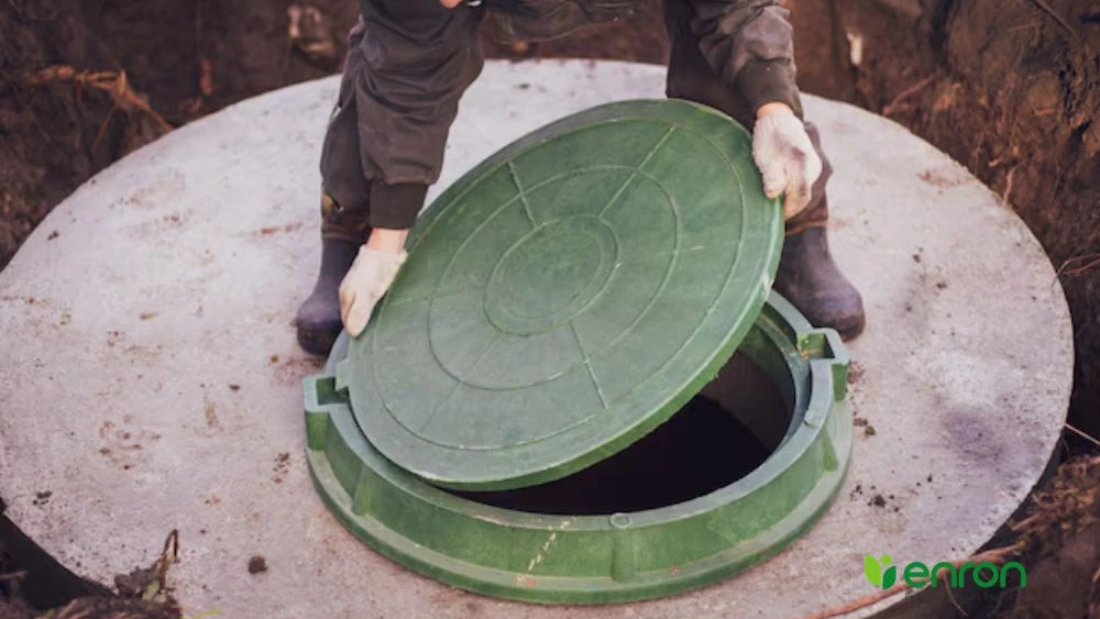
Sewage Storage Tank Works

How a Sewage Storage Tank Works: A Simple Guide for Beginners

Managing wastewater safely is essential for every home, apartment, and commercial building. One of the most important systems that makes this possible is the Sewage Storage Tank. If you are new to the concept or planning to install one, this beginner-friendly guide will help you understand how it works, why it matters, and how to maintain it properly. Let’s talk about how a sewage storage tank works.

What Is a Sewage Storage Tank?

A Sewage Storage Tank is a sealed container designed to collect and temporarily store wastewater from toilets, kitchens, and bathrooms. Unlike septic tanks, which treat waste to some extent, storage tanks mainly hold sewage safely until it is removed and transported to a proper treatment facility.

These tanks are commonly used in:

  • Residential homes
  • Apartments and villas
  • Commercial buildings
  • Construction sites
  • Remote locations without direct sewage lines

Their main goal is to prevent pollution, protect public health, and ensure safe waste disposal.

Why Sewage Storage Tanks Are Important

A properly functioning Sewage Storage Tank plays a major role in modern sanitation systems. Here’s why it is important:

  • Prevents groundwater contamination
  • Stops foul odours from spreading
  • Keeps living environments hygienic
  • Reduces health risks from bacteria and harmful waste
  • Supports safe waste transportation and treatment

Without proper sewage storage, untreated waste can enter soil and water sources, creating serious environmental and health hazards.

How a Sewage Storage Tank Works (Step-by-Step)

Understanding how the system works helps you manage it better. Here is a simple breakdown:

1. Wastewater Collection

All wastewater from your building flows through pipes into the Sewage Storage Tank. This includes water from toilets, sinks, showers, and washing areas.

2. Storage and Separation

Inside the tank:

  • Solid waste settles at the bottom (sludge)
  • Liquids remain in the middle layer
  • Grease and lighter materials float on top

This natural separation helps in easier removal and safe handling.

3. Safe Containment

The tank is built with strong materials such as concrete, plastic, or fiberglass to ensure no leakage or contamination occurs. The sealed structure prevents bad smells and keeps harmful bacteria contained.

4. Regular Pumping and Cleaning

Once the tank fills up, it must be emptied by professional cleaning services. Regular pumping prevents overflow and maintains system efficiency.

If you are located in the UAE, many property owners depend on the best sewage cleaning services in Dubai. to ensure their tanks are emptied and maintained safely and hygienically.

Key Components of a Sewage Storage Tank System

To function properly, a Sewage Storage Tank includes several essential parts:

  • Inlet Pipe: carries wastewater into the tank
  • Storage Chamber: holds and separates waste
  • Vent Pipe: releases gases safely
  • Access Lid: allows inspection and cleaning
  • Outlet or Pumping Access: used for removing waste

Each component plays a role in keeping the system safe and effective.

Types of Sewage Storage Tanks

There are several types of tanks available based on your needs:

1. Concrete Tanks

  • Strong and long-lasting
  • Suitable for large buildings
  • Resistant to pressure and damage

2. Plastic (Polyethylene) Tanks

  • Lightweight and easy to install
  • Affordable for residential use
  • Corrosion-resistant

3. Fiberglass Tanks

  • Durable and leak-proof
  • Ideal for harsh environments
  • Low maintenance

Choosing the right type depends on your property size, usage, and budget.

Maintenance Tips for Beginners

Regular maintenance is the key to long-lasting performance. Follow these simple tips:

  • Schedule regular inspections
  • Pump out waste before the tank is full
  • Avoid dumping chemicals, oil, or plastic waste
  • Check for leaks or cracks
  • Keep the surrounding area clean and accessible

Hiring a professional service provider helps ensure safe and effective cleaning. Many homeowners rely on a Best Cleaning Company in Dubai to handle sewage tank maintenance with proper equipment and trained staff.

Common Problems and How to Avoid Them

Even a well-built Sewage Storage Tank can face issues if not maintained properly. Here are common problems and solutions:

Overflow

 Cause: delayed cleaning
Solution: schedule timely pumping

Bad Odour

 Cause: blocked vents or full tank
Solution: clean vents and empty tank

Leakage

 Cause: cracks or damage
Solution: repair or replace damaged parts

Blocked Pipes

 Cause: solid waste buildup
Solution: regular inspection and cleaning

Preventive care is always easier and cheaper than repairs.

Environmental Benefits of Proper Sewage Storage

Using a well-maintained Sewage Storage Tank contributes to environmental protection in many ways:

  • Prevents contamination of lakes, rivers, and groundwater
  • Reduces spread of harmful bacteria
  • Supports safe waste recycling and treatment
  • Promotes cleaner and healthier communities

Proper sewage management is a responsibility for every property owner.

Conclusion 

A Sewage Storage Tank is an essential part of safe and effective waste management. By understanding how it works, maintaining it regularly, and choosing the right type, you can ensure a clean, hygienic, and environmentally friendly living space.

Whether you are a homeowner, builder, or business owner, investing in proper sewage storage is not just a necessity it is a long-term solution for health, safety, and sustainability.

septic tank emptying

Septic Tank Emptying: The Complete Guide to Safe, Efficient & Responsible Waste Management

Septic tank emptying is one of the most important yet overlooked aspects of property maintenance. Whether for residential villas, commercial buildings, restaurants, labour accommodations, or industrial facilities, septic systems require regular care to function efficiently. When neglected, septic tanks can cause foul odours, sewage backups, groundwater contamination, health hazards, and expensive structural damage.

This comprehensive guide explains everything property owners and facility managers need to know about septic tank emptying, how septic systems work, why emptying is necessary, how often it should be done, warning signs to watch for, the cleaning process, costs involved, and best maintenance practices.

Understanding How a Septic Tank Works

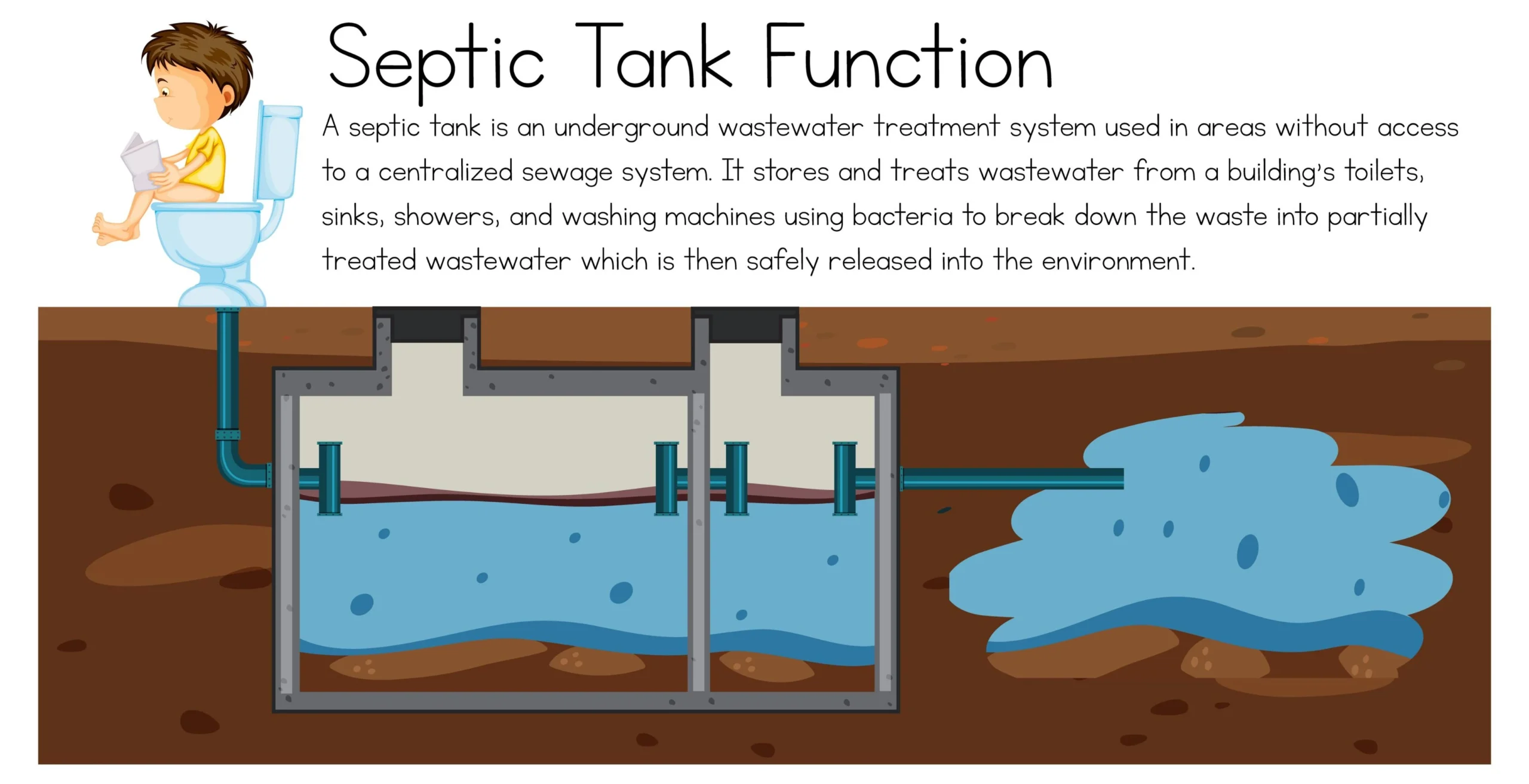
A septic tank is an underground wastewater treatment system commonly used in areas that are not connected to a centralized sewer network. It collects wastewater from toilets, sinks, showers, kitchens, and floor drains.

septic tank function

Inside the tank, wastewater separates into three layers:

  1. Sludge – Heavy solid waste that settles at the bottom.
  2. Scum – Oils, grease, and lighter materials that float on top.
  3. Effluent – Partially treated liquid water in the middle layer.

The effluent flows into a drain field (also known as a soakaway or leach field), where it is filtered naturally through soil. Meanwhile, sludge and scum remain inside the tank. Over time, these layers accumulate and must be removed through septic tank emptying.

Without regular pumping, the tank becomes overloaded, causing system failure.

What Is Septic Tank Emptying?

Septic tank emptying, also called septic tank pumping or desludging, is the process of removing accumulated sludge, scum, and wastewater from the tank using specialized vacuum tankers and pumping equipment.

This service restores the tank’s capacity, prevents overflow, and ensures proper wastewater treatment. Septic tank emptying is not optional; it is a necessary preventive maintenance measure.

Why Septic Tank Emptying Is Necessary

1. Prevents Sewage Backups

When sludge fills a large portion of the tank, wastewater has nowhere to go. As a result, it may back up into sinks, toilets, and floor drains. Sewage backups are not only unpleasant but also hazardous to health.

Routine emptying prevents this scenario.

2. Protects the Drain Field

The drain field plays a critical role in filtering wastewater. If solids escape from an overfilled tank into the drain field, they can clog the soil pores. Once clogged, the drain field may fail completely.

Repairing or replacing a drain field is extremely expensive. Regular septic tank emptying protects this vital component.

3. Eliminates Foul Odors

Decomposing waste produces strong, unpleasant smells. If the septic tank is not emptied regularly, these odors can spread around the property or even indoors.

Professional pumping removes accumulated waste and significantly reduces odor problems.

4. Reduces Health Risks

Septic waste contains bacteria, viruses, and harmful pathogens. Leakage or overflow can contaminate surrounding soil and groundwater, posing serious health risks to residents and nearby communities.

Proper septic tank maintenance ensures safe and hygienic wastewater management.

5. Prevents Structural Damage

Overflowing wastewater can damage flooring, walls, landscaping, and building foundations. In commercial settings, this can disrupt operations and result in costly downtime.

Preventive emptying protects both property and infrastructure.

6. Ensures Environmental Protection

Untreated sewage can pollute groundwater, nearby water bodies, and soil. Environmental contamination may lead to legal consequences and community health concerns.

Routine septic tank emptying supports responsible environmental practices.

How Often Should a Septic Tank Be Emptied?

The frequency depends on several factors:

  • Tank size
  • Number of occupants
  • Daily water usage
  • Waste type
  • Commercial or residential use

General Recommendations:

  • Small households (2–4 people): Every 2–3 years
  • Large households (5+ people): Every 1–2 years
  • Restaurants and commercial kitchens: Every 3–6 months
  • Labor camps or industrial facilities: Based on occupancy and waste volume

High water consumption or improper waste disposal may require more frequent service.

Warning Signs That Your Septic Tank Needs Emptying

Property owners should never ignore early signs of septic issues. Common indicators include:

  • Slow-draining sinks and toilets
  • Gurgling sounds in plumbing
  • Sewage odors indoors or outdoors
  • Water pooling near the tank area
  • Unusually green grass above the septic tank
  • Frequent drain blockages
  • Sewage backups

If any of these signs appear, immediate professional inspection is recommended.

The Septic Tank Emptying Process Explained

Professional septic tank emptying involves a structured and safe procedure.

1. Initial Inspection

Technicians locate the septic tank and inspect sludge levels using measuring tools. They assess overall system condition before starting.

2. Safety Preparation

The area is secured, and proper safety equipment is used. Septic tanks contain toxic gases like methane and hydrogen sulfide, which require careful handling.

3. Opening the Tank

The tank lid is carefully removed to access internal compartments.

4. Vacuum Pumping

A vacuum tanker hose is inserted into the tank. Powerful suction equipment removes sludge, scum, and liquid waste.

5. Cleaning the Tank (If Needed)

In cases of heavy buildup, high-pressure water jetting may be used to clean tank walls and break down stubborn deposits.

6. Final Inspection

Technicians check baffles, pipes, and system components to ensure everything is functioning properly.

7. Proper Waste Disposal

Collected waste is transported to authorized treatment facilities in accordance with environmental regulations.

Residential vs Commercial Septic Tank Systems

Residential Systems

  • Lower waste volume
  • Longer intervals between services
  • Mainly domestic wastewater

Commercial Systems

  • Higher wastewater output
  • Greater grease and solid waste accumulation
  • Strict regulatory requirements
  • Requires more frequent emptying

Restaurants and food businesses often need both septic tank emptying and grease trap cleaning to prevent system overload.

Common Mistakes That Damage Septic Systems

Many septic problems arise from improper usage. Avoid these mistakes:

  • Flushing wipes, diapers, or sanitary products
  • Pouring cooking oil and grease down drains
  • Using excessive chemical cleaners
  • Ignoring routine inspections
  • Attempting DIY septic pumping

Professional servicing is always recommended due to health risks and regulatory standards.

By choosing Enron for septic tank emptying, property owners benefit from:

  • Professional vacuum pumping equipment
  • Experienced and trained technicians
  • Fast response and scheduled maintenance plans
  • Safe and eco-friendly waste disposal
  • Reduced risk of system failure and costly repairs

Regular septic tank emptying by Enron, the best cleaning company in UAE, helps maintain a clean, odor-free, and fully functional wastewater system, providing peace of mind for homeowners and business operators alike.

How to Maintain a Healthy Septic System

Between emptying services, property owners can extend system life by:

  • Conserving water usage
  • Fixing leaking taps and toilets
  • Avoiding the disposal of non-biodegradable waste
  • Installing grease traps in commercial kitchens
  • Scheduling periodic inspections
  • Avoiding heavy vehicle traffic over the tank area

Preventive habits significantly reduce maintenance costs.

Cost of Septic Tank Emptying

Pricing depends on:

  • Tank capacity
  • Waste volume
  • Accessibility of the tank
  • Location
  • Frequency of service
  • Commercial vs residential requirements

Although costs vary, routine maintenance is far more affordable than emergency repairs or system replacement.

Risks of Ignoring Septic Tank Maintenance

Failure to empty septic tanks regularly may result in:

  • Sewage flooding
  • Drain field failure
  • Environmental contamination
  • Health hazards
  • Regulatory penalties
  • Property damage
  • Expensive emergency repairs

Preventive care always costs less than corrective repairs.

Septic Tank Emptying and Regulatory Compliance

Many municipalities require regular septic tank maintenance to protect public health and the environment. Businesses may be required to maintain service records and follow approved disposal methods.

Professional septic tank emptying services ensure compliance with these regulations, reducing the risk of fines or legal action.

The Importance of Choosing a Reliable Service Provider

When selecting a septic tank emptying company, consider:

  • Experience and expertise
  • Proper equipment
  • Licensed operations
  • Compliance with environmental standards
  • Transparent pricing
  • Emergency support availability

Choosing the right service provider ensures safety, efficiency, and long-term system health.

Septic Tank Cleaning Dubai: What UAE Residents Should Know

In the UAE, especially in areas where properties are not fully connected to centralized sewer systems, septic tanks are widely used in villas, labor accommodations, warehouses, restaurants, and industrial zones. Due to high water usage, warm climate conditions, and dense occupancy in some facilities, septic systems in the region require consistent monitoring and maintenance.

For property owners and facility managers, septic tank cleaning Dubai services are essential to prevent unexpected system failures. The hot climate in the UAE can accelerate bacterial activity inside septic tanks, leading to faster sludge accumulation and stronger odors if tanks are not emptied regularly. Additionally, commercial properties such as restaurants generate higher wastewater volumes, requiring more frequent servicing.

Municipal regulations in Dubai and other Emirates emphasize proper wastewater disposal and environmental protection. Hiring professional septic tank cleaning Dubai providers ensures that waste is removed safely and transported to approved treatment facilities in compliance with UAE environmental standards.

Regular septic tank cleaning in Dubai helps residents and businesses:

  • Prevent sewage overflow and foul odors
  • Protect underground infrastructure
  • Maintain hygiene in high-temperature conditions
  • Avoid regulatory penalties
  • Extend the lifespan of septic systems

Given the region’s rapid development and strict environmental policies, routine septic tank maintenance is not just recommended; it is a responsible necessity for property owners across the UAE.

Conclusion

Septic tank emptying is not just a routine task it is an essential component of responsible property maintenance. Whether for residential homes or high-capacity commercial facilities, regular septic pumping protects infrastructure, supports hygiene, ensures environmental safety, and prevents costly repairs.

Ignoring septic tank maintenance can lead to serious consequences, including sewage backups, contamination, structural damage, and regulatory penalties. By scheduling routine inspections and professional emptying services, property owners can maintain a reliable, safe, and efficient wastewater system.

Investing in timely septic tank emptying is a proactive decision that safeguards health, property value, and environmental responsibility.

office cleaning services

Office Cleaning Services: A Complete Guide for Clean and Productive Workspaces

Office cleaning services play a vital role in maintaining a healthy, organised, and productive work environment. A clean office not only improves the appearance of a workplace but also supports employee wellbeing, enhances productivity, and creates a positive impression on clients and visitors. Whether it is a small office, corporate building, or commercial workspace, professional office cleaning services ensure that the workplace remains hygienic and well-maintained.

This complete guide by Enron, the best cleaning company in Dubai, explains what office cleaning services include, why they are important, different types of services available, cleaning schedules, and how businesses can benefit from professional office cleaning.

What Are Office Cleaning Services?

Office cleaning services refer to professional cleaning solutions designed to maintain cleanliness and hygiene in office spaces and commercial workplaces. These services include routine cleaning tasks such as dusting, vacuuming, floor cleaning, sanitising surfaces, and waste removal.

Professional office cleaning focuses on maintaining a clean environment where employees can work comfortably and safely. Unlike occasional cleaning, office cleaning services follow structured schedules and systematic methods to ensure consistent results.

Office cleaning services are suitable for:

  • Corporate offices
  • Business centers
  • Government offices
  • Co-working spaces
  • Commercial buildings
  • Educational offices
  • Medical offices

Why Office Cleaning Services Are Important

1. Creates a Healthy Work Environment

Offices can accumulate dust, bacteria, and allergens from daily activities. Shared spaces such as desks, meeting rooms, and restrooms can become breeding grounds for germs if not cleaned regularly.

Professional office cleaning reduces the spread of bacteria and viruses, helping employees stay healthier and reducing sick days.

2. Improves Employee Productivity

Employees perform better in clean and organized environments. Cluttered and dirty offices can create distractions and reduce motivation. Clean workspaces help employees stay focused and comfortable throughout the day.

A well-maintained office promotes efficiency and professionalism.

3. Makes a Positive First Impression

Clients and visitors often judge a company by the condition of its workplace. Clean floors, dust-free furniture, and fresh-smelling interiors create a professional image.

Office cleaning services help businesses maintain a welcoming and professional atmosphere.

4. Extends the Life of Office Assets

Regular cleaning helps protect office furniture, carpets, flooring, and equipment. Dust and dirt can damage surfaces and reduce their lifespan.

Routine maintenance keeps office assets in good condition and reduces replacement costs.

5. Supports Workplace Safety

Dirty floors, cluttered areas, and unclean restrooms can create safety hazards. Spills and dust accumulation increase the risk of accidents.

Professional cleaning services help maintain a safe workplace environment.

Types of Office Cleaning Services

Daily Office Cleaning

Daily cleaning includes basic tasks required to maintain cleanliness every day:

  • Sweeping and mopping floors
  • Dusting desks and furniture
  • Emptying trash bins
  • Cleaning restrooms
  • Wiping surfaces
  • Vacuuming carpets

Daily cleaning ensures consistent hygiene and organization.

Weekly Office Cleaning

Weekly cleaning includes more detailed tasks such as:

  • Deep dusting
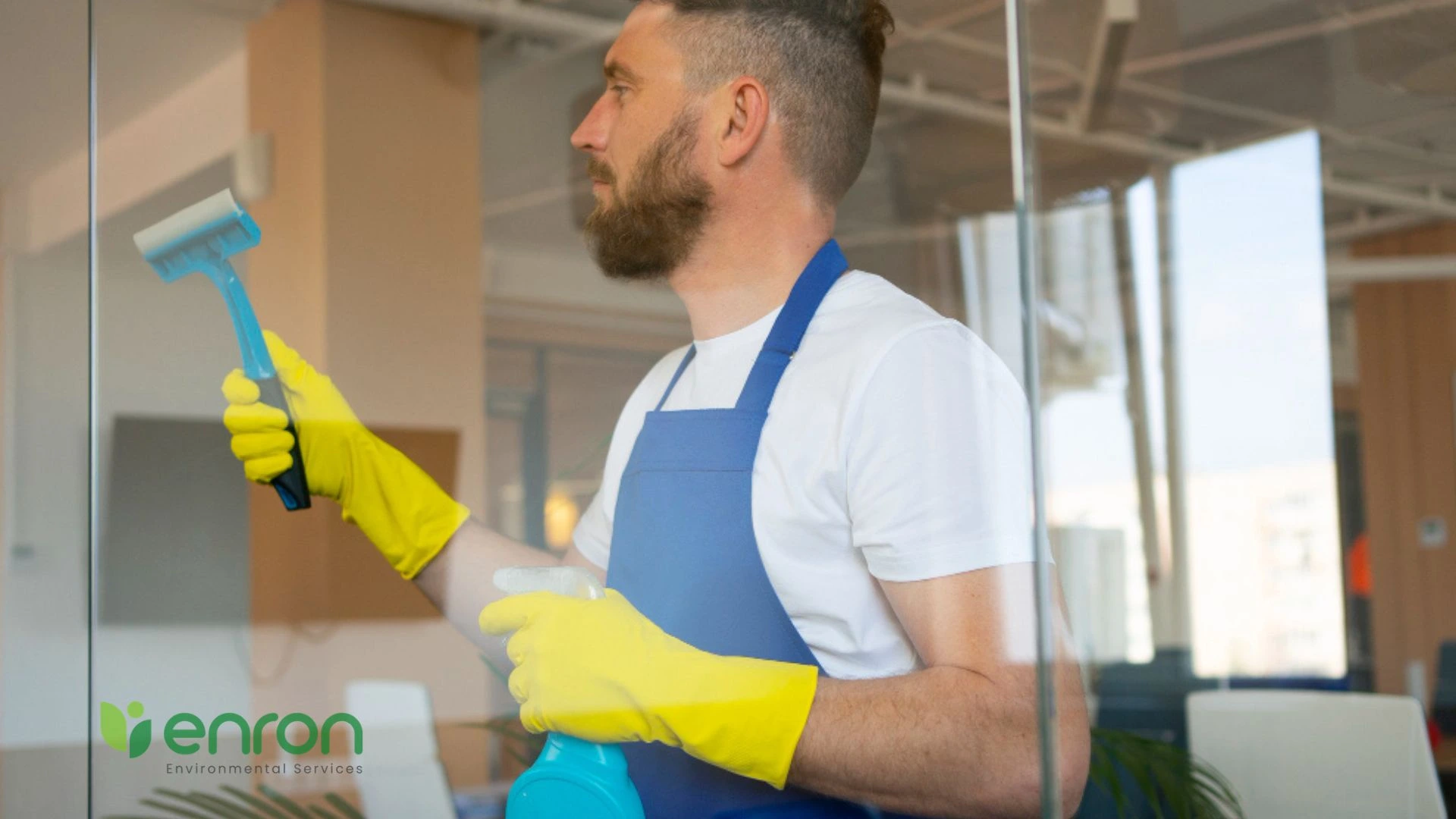
  • Glass cleaning
  • Floor polishing
  • Upholstery cleaning
  • Kitchen area cleaning

This type of cleaning maintains overall office condition.

Deep Office Cleaning

Deep cleaning is a thorough service that targets areas not cleaned regularly. It includes:

  • Carpet shampooing
  • Wall cleaning
  • Ceiling cleaning
  • Air vent cleaning
  • Detailed restroom sanitization
  • Hard-to-reach areas cleaning

Deep cleaning is usually performed quarterly or semi-annually.

Disinfection Services

Disinfection services focus on eliminating harmful bacteria and viruses from frequently touched surfaces such as:

  • Door handles
  • Light switches
  • Workstations
  • Elevator buttons
  • Conference tables

This service became especially important after global health concerns increased awareness about workplace hygiene.

Specialized Office Cleaning

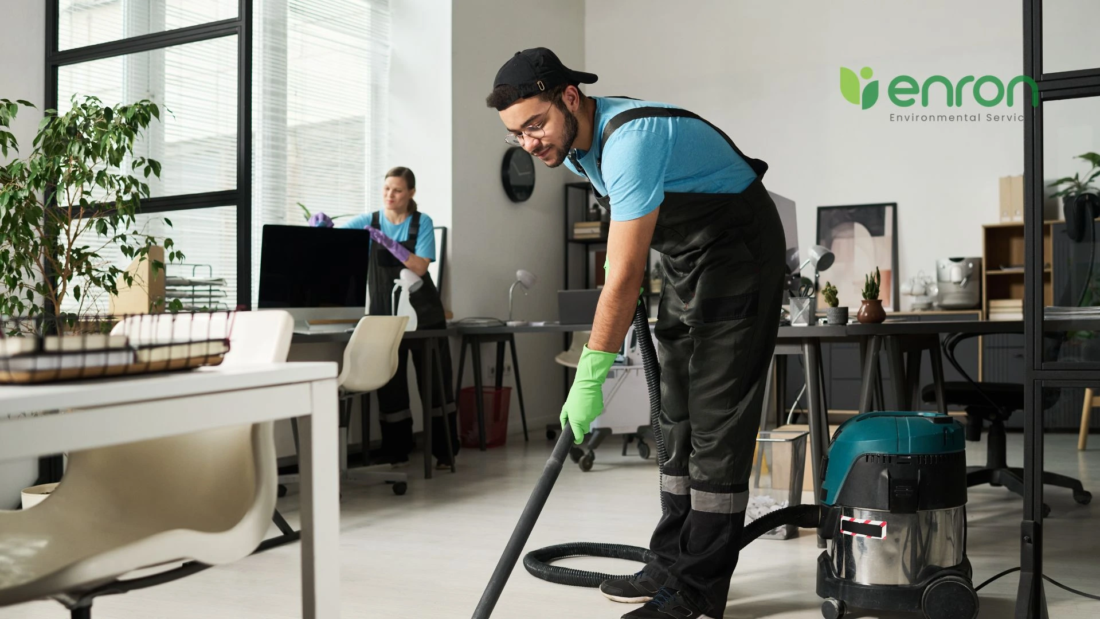
specialised office cleaning services

Some offices require specialized services such as:

  • Carpet cleaning
  • Floor polishing
  • Window cleaning
  • Post-renovation cleaning
  • Move-in and move-out cleaning

Specialized services ensure complete workplace maintenance.

Areas Covered in Office Cleaning

Professional office cleaning typically includes:

Workstations

  • Desk cleaning
  • Keyboard surface cleaning
  • Dust removal
  • Surface sanitizing

Meeting Rooms

  • Table cleaning
  • Chair cleaning
  • Floor vacuuming
  • Glass cleaning

Reception Areas

  • Furniture cleaning
  • Floor cleaning
  • Decorative surface dusting

Restrooms

  • Toilet cleaning
  • Sink cleaning
  • Mirror cleaning
  • Floor disinfection
  • Refill of hygiene supplies

Pantry or Kitchen Areas

  • Counter cleaning
  • Sink cleaning
  • Appliance surface cleaning
  • Waste removal

Floors and Carpets

  • Sweeping
  • Mopping
  • Vacuuming
  • Spot cleaning

How Often Should Offices Be Cleaned?

Cleaning frequency depends on office size and employee numbers.

Recommended Cleaning Schedule

Small Offices

  • Basic cleaning: 2–3 times per week
  • Deep cleaning: Every 3–6 months

Medium Offices

  • Basic cleaning: Daily
  • Deep cleaning: Every 3 months

Large Offices

  • Basic cleaning: Daily or multiple times per day
  • Deep cleaning: Every 1–2 months

Regular cleaning ensures consistent hygiene.

Benefits of Professional Office Cleaning Services

Consistent Cleaning Quality

Professional cleaners follow structured procedures to ensure reliable results.

Saves Time

Employees can focus on their work instead of cleaning tasks.

Professional Equipment

Cleaning companies use advanced tools and effective cleaning solutions.

Cost-Effective Solution

Outsourcing cleaning services reduces the need for in-house staff and equipment.

Flexible Scheduling

Cleaning services can be scheduled during or after office hours.

Choosing the Right Office Cleaning Service

When selecting an office cleaning service, consider:

  • Experience and reputation
  • Trained staff
  • Cleaning methods
  • Equipment used
  • Flexible schedules
  • Transparent pricing
  • Customer reviews

A reliable cleaning service ensures consistent workplace hygiene.

Which is the Best Office Cleaning Company in Dubai

Maintaining a clean and organised workplace requires consistency and professional expertise. Enron provides reliable office cleaning services in Dubai, helping businesses maintain hygienic and productive working environments. With experience in cleaning commercial spaces, Enron delivers structured cleaning solutions suitable for small offices, corporate workspaces, and large commercial facilities.

Enron follows systematic cleaning procedures that cover workstations, meeting rooms, reception areas, restrooms, and pantry spaces. The cleaning team uses professional equipment and safe cleaning products to ensure effective results without disrupting daily office operations.

Office cleaning schedules can be customised based on business requirements. Whether daily cleaning, weekly maintenance, or deep cleaning services are needed, Enron provides flexible solutions designed to maintain consistent workplace hygiene.

Enron’s office cleaning services focus on:

  • Dust-free and sanitized workspaces
  • Clean floors and carpets
  • Hygienic restrooms and pantry areas
  • Proper waste management
  • Improved indoor cleanliness

Regular office cleaning by Enron helps businesses maintain a professional environment while supporting employee health and comfort. Clean offices create a positive impression on clients and visitors while ensuring smooth day-to-day operations.

Tips for Maintaining a Clean Office

Businesses can support professional cleaning by:

  • Encouraging employees to keep desks organized
  • Providing waste bins in convenient locations
  • Cleaning spills immediately
  • Avoiding food waste at desks
  • Scheduling regular cleaning services

Small habits help maintain long-term cleanliness.

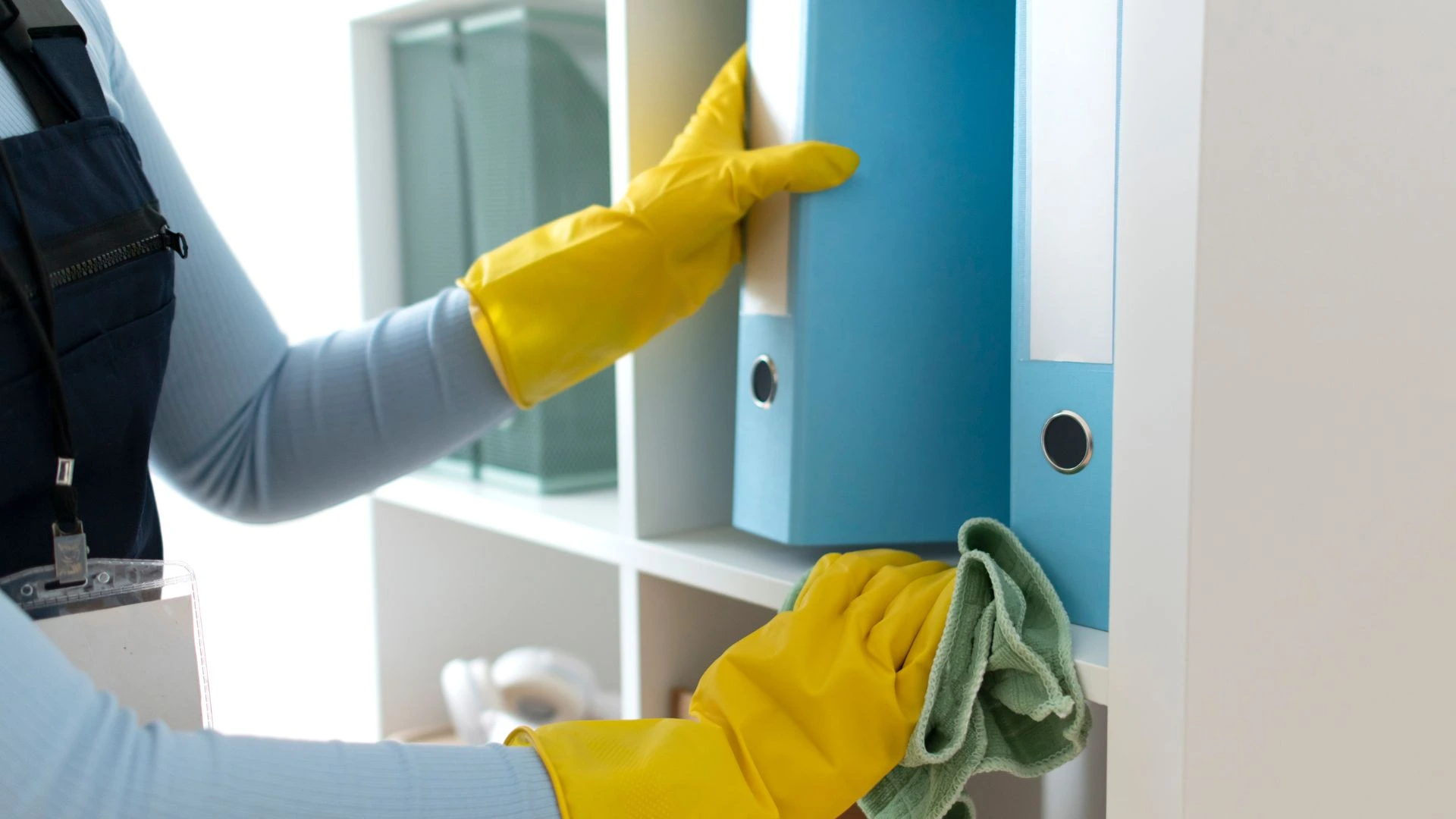
image of office shelf cleaning with files

Office cleaning services are essential for maintaining a safe, healthy, and professional workplace. Regular cleaning improves employee wellbeing, enhances productivity, and creates a positive business image. From daily maintenance to deep cleaning, professional office cleaning ensures that workspaces remain clean and organized.

Investing in regular office cleaning services helps businesses protect their assets, support employee health, and maintain a professional environment. A clean office is not just about appearance, it is a key factor in business success and long-term operational efficiency.