apartment deep clean

Apartment Deep Clean: A Complete Guide for Spotless and Healthy Living

An apartment deep clean goes far beyond routine cleaning. It focuses on removing hidden dirt, bacteria, allergens, and grime that accumulate over time in hard-to-reach areas. Whether preparing for a move, post-renovation cleanup, seasonal maintenance, or restoring hygiene, deep cleaning plays a crucial role in maintaining a safe and healthy living environment.

This complete guide explains what apartment deep cleaning involves, why it is essential, what areas are covered, and when professional services are the best choice. Read this complete guide by Enron, the best cleaning company in Dubai, for getting detailed information about apartment deep cleaning.

What Is Apartment Deep Cleaning?

Apartment deep cleaning is a thorough, intensive cleaning process that targets areas often missed during regular cleaning. It includes detailed cleaning, sanitisation, and disinfection of surfaces, fixtures, appliances, and hidden spaces to ensure a hygienic living environment.

Unlike basic cleaning, deep cleaning focuses on:

  • Built-up grease, dust, and grime
  • Bacteria and allergens
  • Hidden and neglected areas
  • Odours and stains

Why Apartment Deep Cleaning Is Important

Apartment deep cleaning is not just about appearance; it directly impacts health, safety, and comfort.

Improves Indoor Air Quality

Dust, mould spores, pet dander, and allergens settle on surfaces and inside air ducts. Deep cleaning helps reduce respiratory issues and allergies.

Eliminates Germs and Bacteria

High-touch surfaces such as switches, handles, kitchen counters, and bathrooms harbour bacteria. Deep cleaning ensures proper sanitisation.

Prevents Pest Infestations

Food residue, grease, and clutter attract pests. Deep cleaning removes breeding grounds and reduces infestation risks.

Extends the life of Fixtures and Furniture

Regular deep cleaning prevents long-term damage to flooring, appliances, and upholstery.

Essential for Move-In and Move-Out

Many landlords and property managers require professional deep cleaning to meet handover standards.

What Does Apartment Deep Cleaning Include?

A professional apartment deep clean covers every room and surface in detail.

Living Room and Common Areas

  • Dusting of ceilings, walls, and corners
  • Cleaning of light fixtures, switches, and sockets
  • Deep vacuuming and mopping of floors
  • Cleaning skirting boards and door frames
  • Sofa, carpet, and curtain cleaning (if required)
  • Removal of stains and odours

Kitchen Deep Cleaning

The kitchen requires special attention due to grease and food residue.

  • Degreasing kitchen cabinets (inside and outside)
  • Deep cleaning countertops and backsplashes
  • Cleaning the stove, oven, microwave, and exhaust hood
  • Sink, taps, and drain sanitation
  • Refrigerator interior and exterior cleaning
  • Floor scrubbing and disinfection

Bathroom Deep Cleaning

Bathrooms are high-risk zones for bacteria and mould.

  • Tile and grout cleaning
  • Removal of limescale and hard water stains
  • Toilet, sink, bathtub, and shower sanitisation
  • Cleaning mirrors and glass surfaces
  • Disinfection of high-touch points
  • Odour elimination

Bedroom Deep Cleaning

  • Dust removal from all surfaces
  • Mattress vacuuming and sanitisation
  • Wardrobe interior and exterior cleaning
  • Cleaning windows and window tracks
  • Floor deep cleaning

Balcony and Outdoor Areas

  • Floor washing and stain removal
  • Wall and railing cleaning
  • Dust and debris removal
  • Drain cleaning

Windows, Doors, and Glass Surfaces

  • Interior and exterior glass cleaning
  • Frame and track cleaning
  • Removal of fingerprints and watermarks

AC and Ventilation Cleaning (Optional but Recommended)

  • AC vent dust removal
  • Filter cleaning
  • Improved airflow and air quality

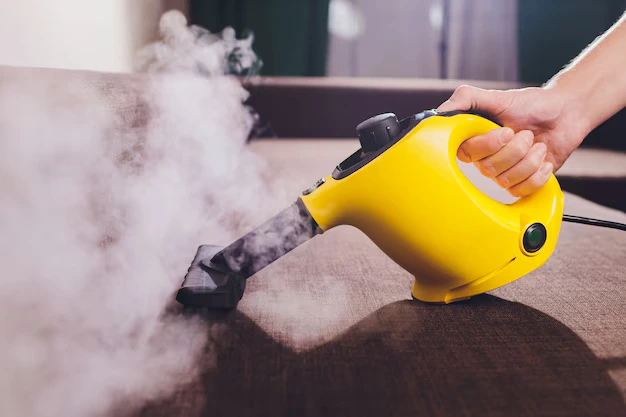
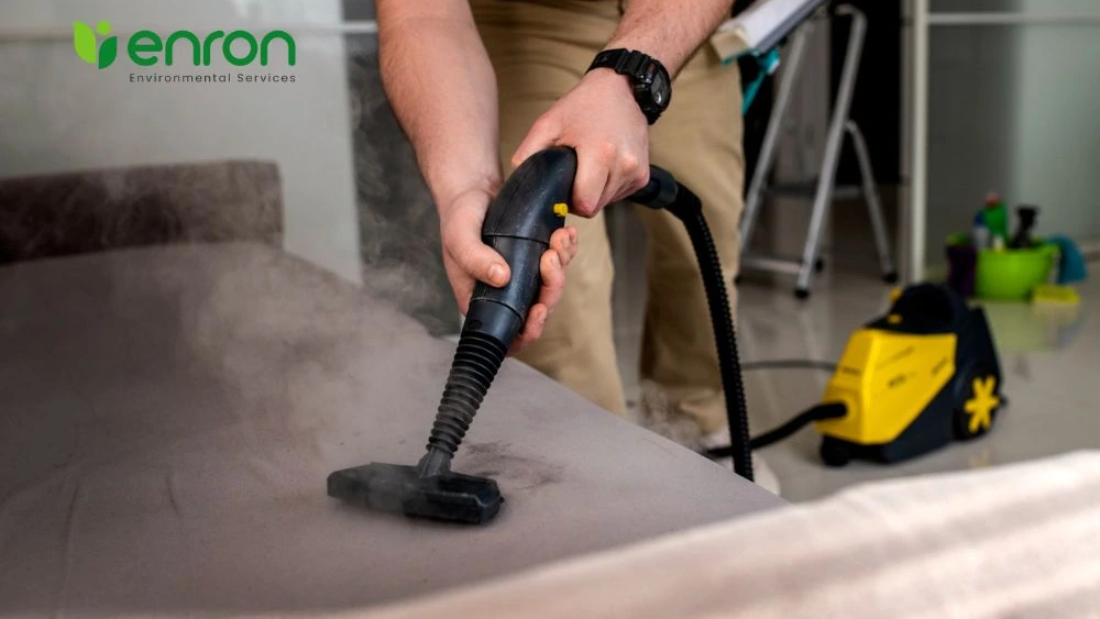
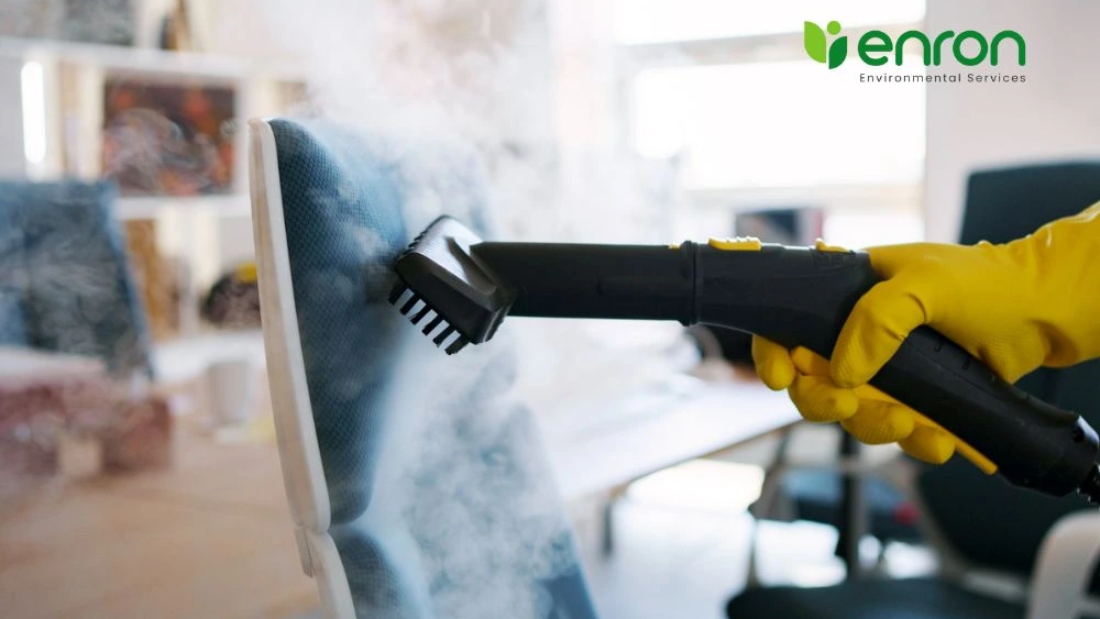
Steam Cleaning in an Apartment Deep Cleaning

Steam cleaning is widely used during apartment deep cleaning due to its effectiveness and eco-friendly nature.

Benefits of Steam Cleaning:

  • Chemical-free sanitisation
  • Kills germs and bacteria
  • Removes stubborn grease and stains
  • Safe for children and pets
  • Reduces water usage

Steam cleaning is ideal for kitchens, bathrooms, sofas, mattresses, tiles, and grout lines.

When Should an Apartment Be Deep Cleaned?

Apartment deep cleaning is recommended:

  • Before moving in
  • After moving out
  • Post-renovation or painting
  • Every 6–12 months
  • After illness or pest treatment
  • Before special occasions

DIY vs Professional Apartment Deep Cleaning

DIY Cleaning Limitations

  • Time-consuming
  • Limited tools and chemicals
  • Difficult to reach hidden areas
  • Inconsistent results

Advantages of Professional Deep Cleaning

  • Trained and certified technicians
  • Industrial-grade equipment
  • Eco-friendly and safe methods
  • Detailed checklist-based cleaning
  • Compliance with hygiene standards

Professional services ensure thorough cleaning without damaging surfaces.

How Long Does Apartment Deep Cleaning Take?

The duration depends on:

  • Apartment size (studio, 1BHK, 2BHK, etc.)
  • Level of dirt and grease
  • Additional services like steam cleaning or sofa cleaning

On average:

  • Studio apartment: 3–4 hours
  • 1BHK: 4–5 hours
  • 2BHK and above: 5–8 hours

Apartment Deep Cleaning Checklist
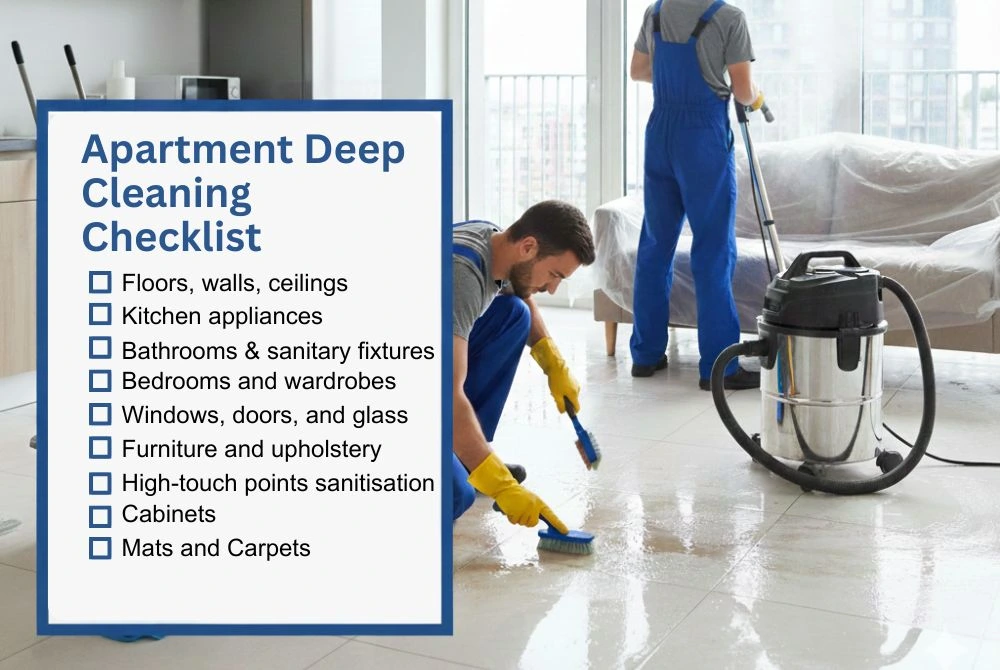
image of apartment deep cleaning checklist
  • Floors, walls, ceilings
  • Kitchen appliances and cabinets
  • Bathrooms and sanitary fixtures
  • Bedrooms and wardrobes
  • Windows, doors, and glass
  • Furniture and upholstery
  • High-touch points sanitisation

Benefits of Professional Apartment Deep Cleaning in Dubai

  • Meets Dubai Municipality hygiene standards
  • Improves health and comfort
  • Saves time and effort
  • Ensures safe and eco-friendly cleaning
  • Ideal for tenants, landlords, and property managers

Conclusion

Apartment deep cleaning is an essential service that ensures a hygienic, comfortable, and healthy living space. It removes hidden dirt, bacteria, allergens, and odours that regular cleaning cannot address. Whether for routine maintenance, move-in readiness, or post-renovation care, deep cleaning protects both residents and property value.

Choosing a professional apartment deep cleaning service ensures thorough results, safety compliance, and long-lasting cleanliness, making it a smart investment for apartment living.
Industrial Cleaning Services

How Industrial Cleaning Services Improve Workplace Safety

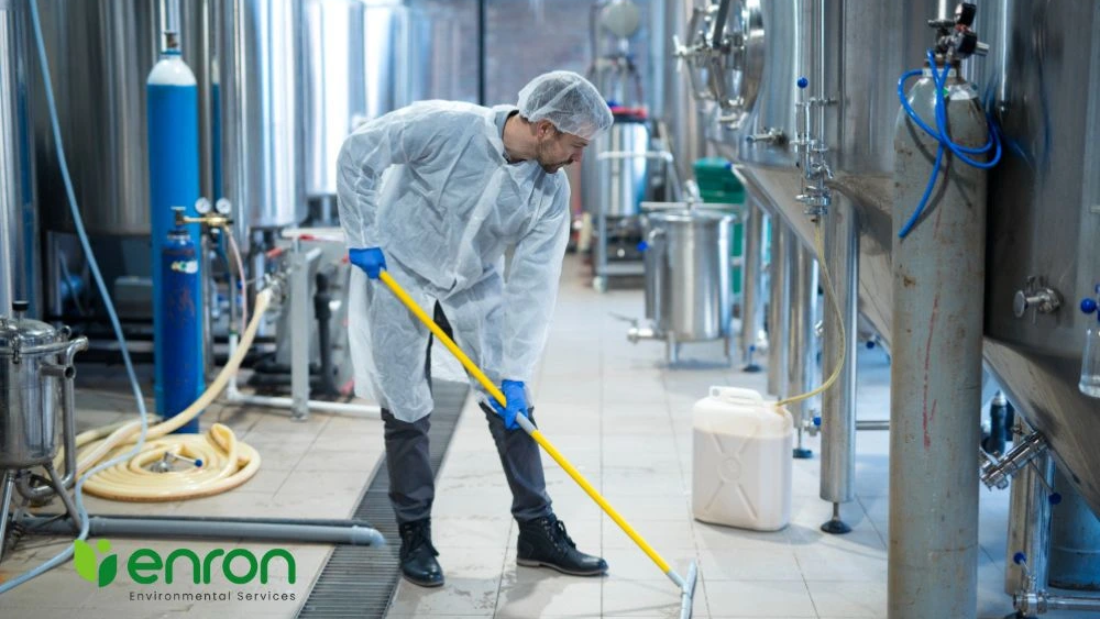
Workplace safety is a critical concern in industrial environments where heavy machinery, hazardous materials, and high foot traffic are part of daily operations. Poor cleanliness can quickly turn into safety risks, leading to accidents, health hazards, and regulatory issues. Professional industrial cleaning services play a vital role in creating a safe, compliant, and productive workplace.

The Link Between Cleanliness and Workplace Safety

Industrial sites accumulate dust, grease, waste, and chemical residues over time. Without proper cleaning, these contaminants increase the risk of slips, fires, equipment failure, and health-related issues. Professional industrial cleaning services go beyond surface-level cleaning, focusing on high-risk areas that directly impact employee safety and operational efficiency.

Reduction of Slip, Trip, and Fall Hazards

Slips and falls are among the most common workplace accidents in industrial settings. Oil spills, grease buildup, dust, and debris on floors can create dangerous walking surfaces. Industrial cleaning services ensure regular removal of these hazards through deep cleaning methods, including steam cleaning and mechanical scrubbing, significantly reducing accident risks.

Improved Air Quality for Healthier Workspaces

Industrial environments often contain airborne pollutants such as dust, fumes, mould spores, and chemical vapours. Without proper cleaning, these pollutants affect indoor air quality and employee health. Professional industrial cleaning services include AC duct cleaning, ventilation system maintenance, and surface sanitation, helping reduce respiratory issues and improve overall workplace comfort.

Prevention of Fire Hazards

Grease, dust, and flammable residues are major fire risks in factories, warehouses, and commercial kitchens. Accumulation in ducts, machinery, and electrical areas can lead to fire outbreaks. Regular industrial cleaning removes combustible materials, supports fire safety compliance, and lowers the risk of unexpected incidents.

Safe Handling of Hazardous Waste

Many industrial workplaces generate hazardous waste that requires specialised handling and disposal. Professional cleaning teams are trained and certified to manage hazardous materials safely, following strict regulatory guidelines. This minimises exposure risks for employees and ensures proper waste removal without environmental harm.

Enhanced Equipment Safety and Performance

Dust and debris buildup on machinery can cause overheating, malfunctions, or sudden breakdowns. Industrial cleaning services help maintain equipment cleanliness, allowing machines to function safely and efficiently. Clean equipment not only improves safety but also extends operational lifespan and reduces maintenance costs.

Compliance with Safety Regulations

Industrial facilities in Dubai must adhere to strict safety and hygiene regulations set by the authorities. Professional industrial cleaning services support compliance with local regulations by maintaining cleanliness standards, documentation, and inspection readiness. This reduces the risk of penalties, shutdowns, or legal complications.

Control of Pest Infestations

Industrial spaces are highly susceptible to pest infestations due to waste accumulation and storage conditions. Pests pose serious health and safety threats. Integrated industrial cleaning and pest control services help eliminate breeding grounds, ensuring a safer and more hygienic workplace.

Boost in Employee Morale and Productivity

A clean and safe working environment positively impacts employee morale. Workers feel valued and protected, which leads to increased focus, efficiency, and productivity. Reduced accidents and health issues also mean fewer disruptions and absenteeism.

Importance of Professional Industrial Cleaning Services

Industrial cleaning requires specialised equipment, trained professionals, and strict safety protocols. Certified service providers deliver comprehensive cleaning solutions tailored to industrial environments, including waste removal, duct cleaning, water tank cleaning, and high-risk area sanitation.

As a Dubai Municipality licensed and certified environmental service provider, Enron delivers professional industrial cleaning services that prioritise safety, efficiency, and environmental responsibility. With advanced equipment, trained professionals, and structured inspections, Enron helps industrial facilities maintain safe and compliant workplaces across Dubai.

Conclusion

Industrial cleaning services play a crucial role in improving workplace safety by reducing hazards, improving air quality, preventing fires, and ensuring regulatory compliance. A clean industrial environment is not just about appearance; it is about protecting people, assets, and operations.

For industries in Dubai, partnering with a certified and experienced industrial cleaning service provider ensures a safer, healthier, and more productive workplace.

Benefits of steam cleaner

Benefits of Steam Cleaner: A Smart, Eco-Friendly Cleaning Solution

Maintaining hygiene in residential, commercial, and industrial spaces has become more critical than ever. Traditional cleaning methods often rely on harsh chemicals, excessive water usage, and repetitive manual effort. This is where steam cleaning stands out as a modern, efficient, and environmentally responsible solution. Understanding the benefits of steam cleaners helps property owners and facility managers make informed cleaning decisions that protect health, assets, and the environment.

What Is Steam Cleaning?

steam cleaning benefits

Steam cleaning uses high-temperature steam to loosen dirt, grease, stains, and bacteria from surfaces. The heat penetrates deep into pores, cracks, and hidden areas that conventional cleaning tools often miss. With minimal water and no harsh chemicals, steam cleaners are widely used for deep cleaning and sanitisation across multiple industries.

Benefits of Steam Cleaner

1. Chemical-Free and Eco-Friendly Cleaning

One of the biggest benefits of steam cleaner is that it does not rely on chemical detergents. High-temperature steam effectively breaks down dirt, grease, and pathogens using only water.

This makes steam cleaning:

  • Safe for children and pets
  • Ideal for food preparation areas
  • Environmentally responsible
  • Suitable for green cleaning standards

Eco-conscious cleaning companies in Dubai increasingly adopt steam cleaning to reduce environmental impact while maintaining superior hygiene levels.

2. Powerful Germ and Bacteria Elimination

Steam cleaners can eliminate up to 99.9% of bacteria, viruses, and allergens when used correctly. The extreme heat destroys microorganisms on contact, making it highly effective for sanitising high-touch surfaces.

Steam cleaning is especially beneficial for:

  • Kitchens and kitchen hoods
  • Washrooms
  • AC ducts and vents
  • Water tanks and pipelines
  • Commercial and industrial facilities

This makes steam cleaning an excellent choice for hospitals, restaurants, offices, and residential properties.

3. Deep Cleaning Without Surface Damage

Unlike abrasive cleaning methods, steam cleaning is gentle on surfaces while still delivering deep-cleaning results. It effectively removes grime from tiles, grout lines, carpets, upholstery, glass, and metal surfaces without causing scratches or wear.

Steam cleaning is suitable for:

  • Floors and tiles
  • Carpets and sofas
  • Curtains and mattresses
  • HVAC systems
  • Delicate equipment surfaces

When handled by trained professionals, steam cleaning extends the lifespan of surfaces and assets.

4. Effective Grease and Odour Removal

Steam cleaning excels at breaking down stubborn grease, oil, and residue that accumulate in kitchens, ducts, and industrial settings. It also neutralises unpleasant odours rather than masking them with fragrances.

This makes steam cleaning ideal for:

  • Kitchen hood and exhaust systems
  • Grease traps
  • Commercial kitchens
  • Food processing units

By removing grease build-up, steam cleaning also helps improve fire safety compliance. You can also contact Enron for grease trap cleaning and grease trap installation in Dubai, UAE.

5. Water-Efficient Cleaning Method

Steam cleaners use significantly less water compared to conventional washing or pressure cleaning methods. This is particularly important in regions like the UAE, where water conservation is a priority.

Low water consumption means:

  • Faster drying times
  • Reduced moisture-related damage
  • Lower operational costs
  • Sustainable cleaning practices

6. Improved Indoor Air Quality

Steam cleaning removes dust mites, mould spores, allergens, and pollutants that can negatively affect indoor air quality. Since no chemicals are involved, there are no harmful fumes or residues left behind.

This is especially beneficial for:

  • Homes with allergy sufferers
  • Office spaces
  • Hotels and hospitality properties
  • Schools and healthcare facilities

7. Versatility Across Multiple Services

Versatility across multiple services is also a big benefit of steam cleaner. Steam cleaners are highly versatile and can be used across a wide range of cleaning services, including:

  • AC duct cleaning
  • Water tank and septic tank cleaning
  • Building and facility cleaning
  • Pest control preparation
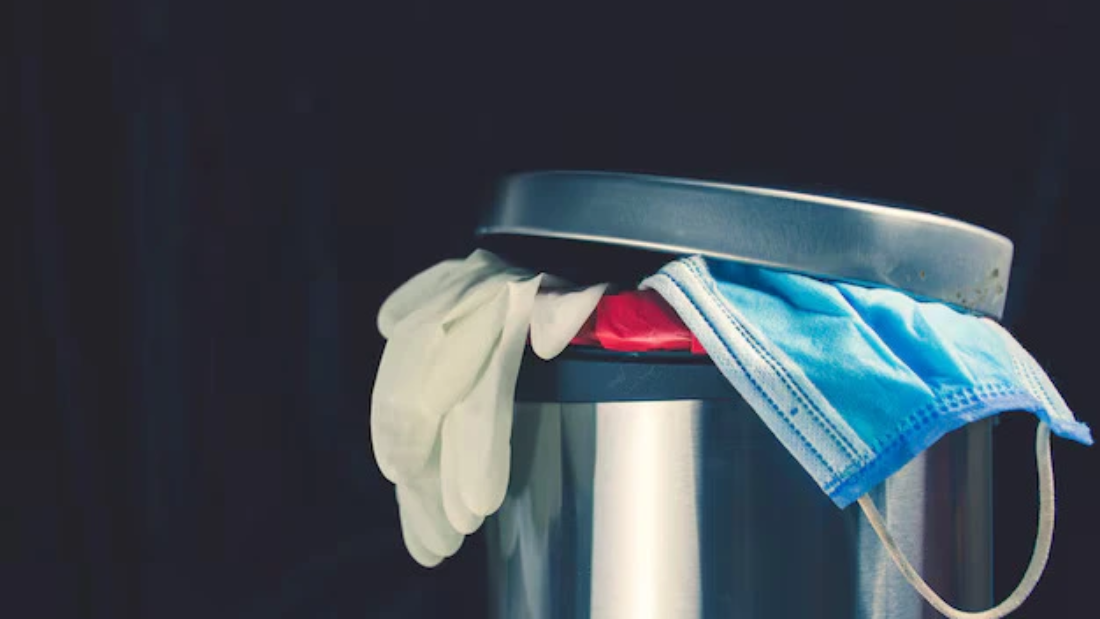
  • Hazardous waste surface sanitation

Professional environmental service providers in Dubai integrate steam cleaning into multiple specialised services to enhance safety and efficiency.

Why Professional Steam Cleaning Matters

While domestic steam cleaners offer basic benefits, professional-grade steam cleaning delivers far superior results. Certified technicians understand correct temperature levels, pressure control, and safety protocols required for different surfaces and environments.

As a Dubai Municipality licensed and certified environmental service provider, Enron adopts advanced steam cleaning techniques combined with proper inspections and follow-up procedures. This ensures effective cleaning, regulatory compliance, and long-term customer satisfaction across residential, commercial, and industrial projects.

Conclusion

Steam cleaning is more than just a modern cleaning trend. It is a smart, sustainable, and highly effective cleaning solution. From killing germs and removing grease to improving air quality and reducing environmental impact, the benefits of steam cleaners are extensive.

For properties in Dubai that demand high hygiene standards, eco-friendly practices, and professional execution, steam cleaning stands out as a reliable choice. When performed by experienced and certified professionals, it delivers unmatched cleanliness, safety, and peace of mind.

hospital waste management

Hospital Waste Management: Strategies for Safe Disposal

Hospital waste management is one of the most critical aspects of running healthcare facilities efficiently and safely. Proper handling and disposal of medical waste not only safeguard public health but also prevent environmental contamination. With the growing volume of hospital-generated waste, adopting systematic strategies has become essential for healthcare providers, administrative staff, and waste management professionals alike.

Understanding Hospital Waste

 Waste Management

Every day, hospitals generate different types of waste, from general items such as paper and packaging to hazardous and infectious materials like used syringes, bandages, expired medications, and laboratory samples. Improper disposal of such waste can lead to the spread of infections, injury to staff, and environmental hazards. Understanding the categories of hospital waste is the first step toward implementing effective waste management strategies.

Types of Hospital Waste

  • Infectious waste: Items contaminated with blood or other bodily fluids.
  • Sharps waste: Needles, scalpels, and other sharp objects.
  • Pharmaceutical waste: Expired or unused medications.
  • Chemical waste: Disinfectants, solvents, and lab chemicals.
  • General waste: Non-hazardous materials such as office supplies and packaging.

Recognizing these categories allows healthcare facilities to apply the correct disposal methods for each type, ensuring compliance with safety regulations and environmental standards.

Strategies for Effective Hospital Waste Management

1. Segregation at Source

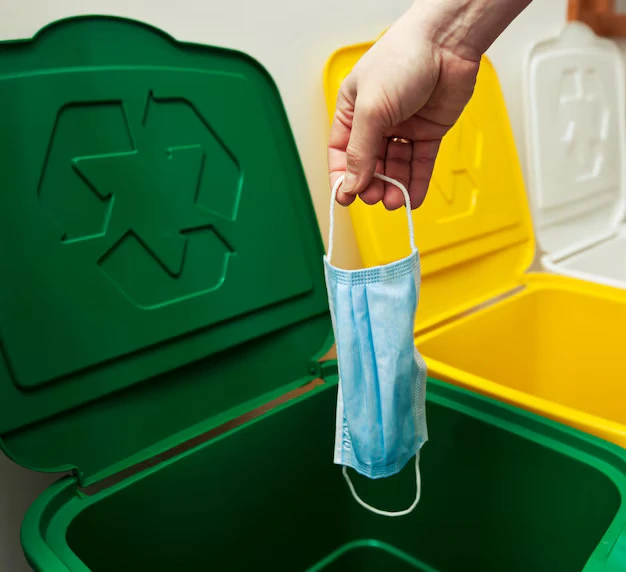
The first and most crucial step in hospital waste management is waste segregation at the source. Hospitals must provide clearly labeled bins for different types of waste, including infectious, hazardous, and general waste. This practice minimizes the risk of cross-contamination and makes the subsequent handling and disposal processes safer and more efficient.

2. Safe Collection and Storage

Proper collection and temporary storage of medical waste is equally important. Waste should be stored in secure containers that are leak-proof, puncture-resistant, and clearly marked. Storage areas should be well-ventilated, clean, and accessible only to authorized personnel to reduce the risk of accidental exposure.

3. Transportation and Disposal

Transporting hospital waste requires strict adherence to regulatory guidelines. Waste should be transported using sealed containers and vehicles specifically designed for hazardous materials. Disposal methods depend on the type of waste, ranging from incineration for infectious waste to chemical neutralization for certain hazardous materials.

Many hospitals collaborate with experienced service providers to ensure compliance with local laws while maintaining safety standards. Partnering with the best waste management company in Dubai can help hospitals implement safe and reliable disposal systems efficiently.

4. Training and Awareness

A well-informed hospital staff is the backbone of an effective waste management system. Regular training programs should be conducted to educate staff about proper handling, segregation, and disposal procedures. This not only reduces the risk of occupational hazards but also encourages a culture of safety and responsibility within healthcare facilities.

Working with experts like the best cleaning company in dubai can ensure staff understand hygiene protocols and safe waste handling practices.

5. Documentation and Compliance

Accurate record-keeping is vital for tracking the amount, type, and disposal method of hospital waste. Hospitals must maintain logs and reports to ensure regulatory compliance and facilitate audits. Implementing a robust documentation system also allows for continuous improvement in waste management practices.

Role of Technology in Hospital Waste Management

Modern healthcare facilities are increasingly adopting technology-driven solutions to optimize waste management processes. Automated waste sorting systems, RFID tagging for tracking waste, and digital compliance monitoring are just a few examples. Such innovations improve efficiency, reduce human error, and ensure that waste is handled according to best practices.

Environmental and Health Benefits

Proper hospital waste management is not only a regulatory requirement but also a moral and environmental responsibility. Safe disposal prevents the spread of infectious diseases, protects hospital staff, and reduces the impact of hazardous waste on landfills, soil, and water sources. By implementing effective strategies, healthcare facilities contribute to overall public health and sustainability.

Best Practices for Healthcare Facilities

To achieve optimal hospital waste management, healthcare facilities should follow these best practices:

  • Develop a comprehensive waste management plan: Outline responsibilities, protocols, and emergency measures.
  • Regular audits: Monitor and evaluate waste handling practices to identify gaps.
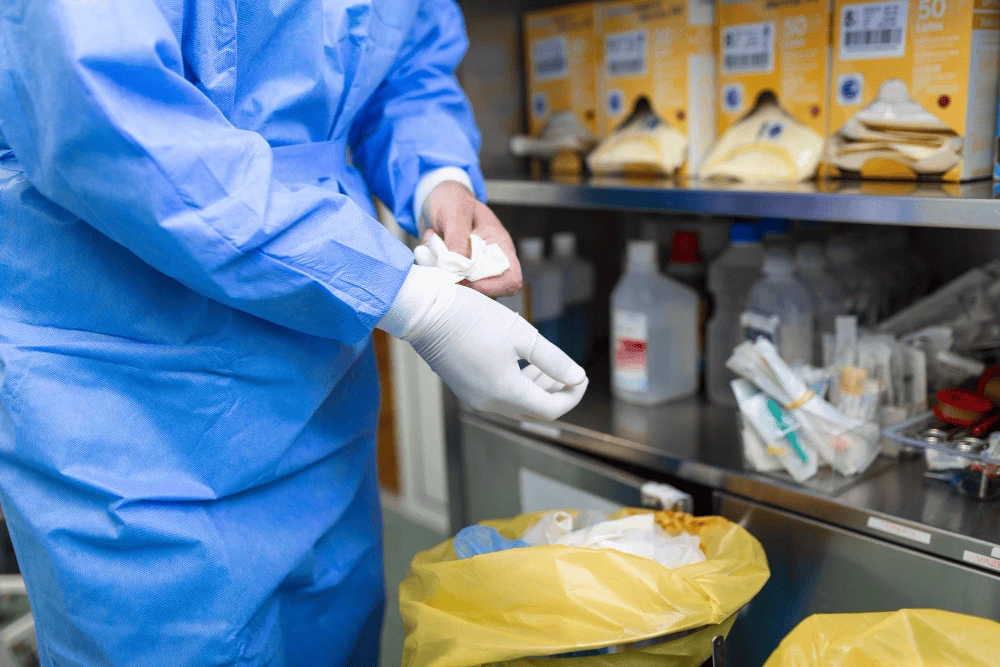
  • Invest in proper equipment: Use color-coded bins, sharps containers, and protective gear.
  • Encourage staff participation: Engage all employees in promoting a culture of safety.
  • Partner with certified service providers: Collaborate with reputable waste disposal companies for compliance and efficiency.

These practices help hospitals maintain a structured approach to waste management, reducing risk and enhancing operational efficiency.

Conclusion

Hospital waste management is a critical aspect of healthcare operations, impacting staff safety, patient well-being, and environmental health. By adopting strategies like segregation at source, safe collection, proper transportation, staff training, and leveraging technology, hospitals can manage their waste effectively. Prioritizing hospital waste management reflects a facility’s commitment to health, safety, and sustainability. Partnering with professional service providers ensures compliance, efficiency, and a safer environment for everyone.

For safe and professional hospital waste management services, contact us today at 054 468 2927 and ensure a cleaner, safer healthcare environment.