
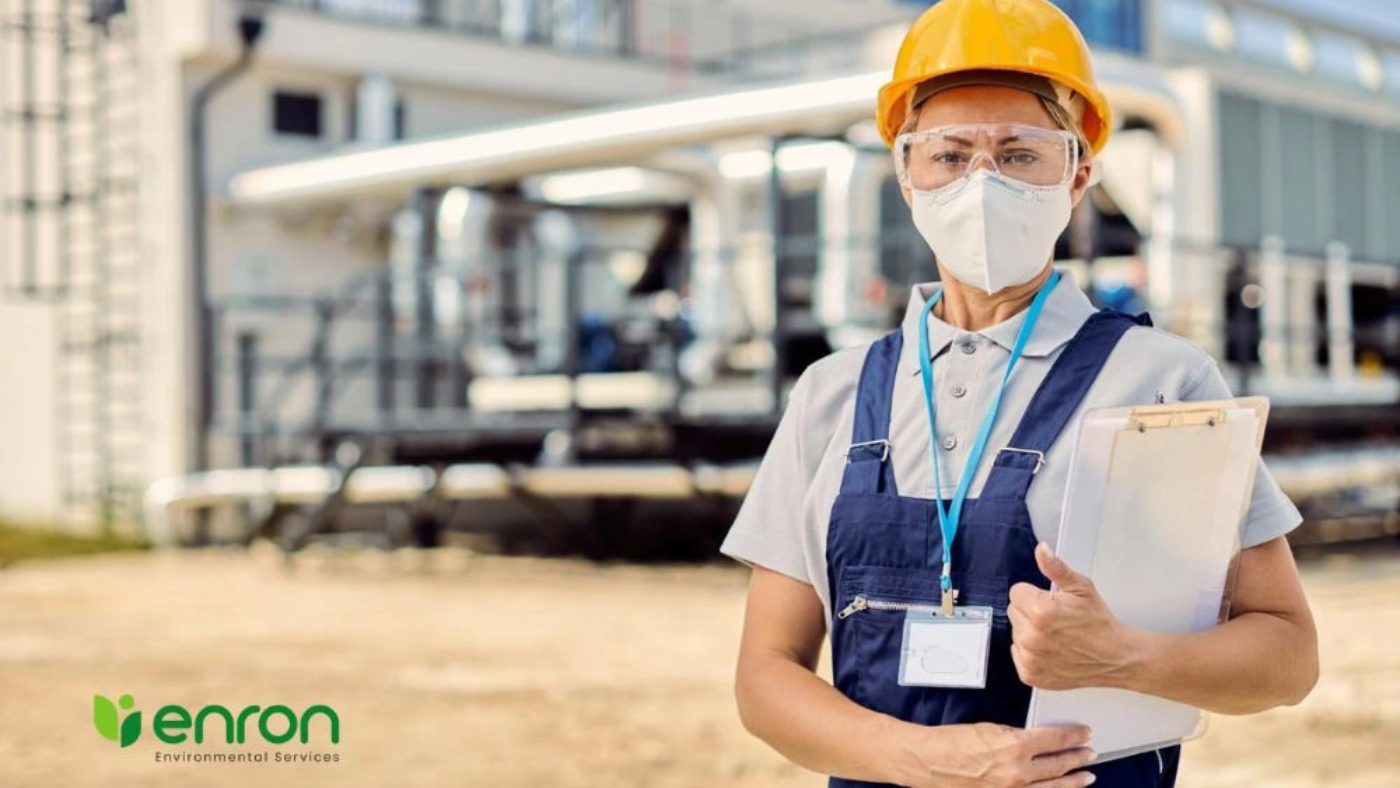
Workplace safety is a critical aspect of every industry. Whether it is a manufacturing facility, warehouse, construction site, laboratory, or commercial establishment, employees are exposed to various environmental hazards that can affect their health and productivity. This is where industrial hygiene plays an important role.
Industrial hygiene focuses on identifying, evaluating, and controlling workplace hazards that may cause illness, injury, or discomfort. By implementing proper industrial hygiene practices, organizations can create safer working environments, improve employee wellbeing, and comply with health and safety regulations.
This comprehensive guide explains what industrial hygiene is, why it is important, its key components, common workplace hazards, and best practices for maintaining a healthy industrial environment.
What Is Industrial Hygiene?
Industrial hygiene is the science and practice of anticipating, recognizing, evaluating, and controlling workplace environmental factors that may negatively affect workers’ health.
The primary goal of industrial hygiene is to prevent occupational illnesses and create a safe work environment.
Industrial hygiene professionals assess workplace conditions and implement measures to reduce exposure to hazards such as:
- Dust
- Chemicals
- Noise
- Biological contaminants
- Heat stress
- Poor ventilation
- Ergonomic risks
Industrial hygiene is an essential part of workplace health and safety management.
Why Is Industrial Hygiene Important?
Employees spend a significant portion of their lives at work. Exposure to harmful workplace conditions can lead to both short-term and long-term health issues.
Industrial hygiene helps organisations:
- Protect employee health
- Reduce workplace accidents
- Improve productivity
- Maintain regulatory compliance
- Lower healthcare costs
- Minimize absenteeism
- Enhance workplace morale
A healthy workforce contributes to improved operational efficiency and business performance.
Objectives of Industrial Hygiene
Industrial hygiene programs aim to:
Identify Hazards
Recognise potential health risks in the workplace.
Assess Exposure
Evaluate the level of employee exposure to harmful substances or conditions.
Control Risks
Implement measures to eliminate or reduce workplace hazards.
Monitor Conditions
Continuously review workplace environments to ensure ongoing safety.
Promote Worker Health
Create conditions that support long-term employee wellbeing.
Common Workplace Hazards Addressed by Industrial Hygiene
Industrial hygiene focuses on a variety of hazards that can affect workers.
1. Chemical Hazards
Chemical exposure is one of the most common industrial hygiene concerns.
Examples include:
- Solvents
- Cleaning chemicals
- Industrial gases
- Fumes
- Vapors
- Acids
Workers exposed to hazardous chemicals may experience respiratory issues, skin irritation, or long-term health complications.
Prevention Measures
- Proper storage of chemicals
- Use of protective equipment
- Adequate ventilation
- Employee training
2. Physical Hazards
Physical hazards are environmental factors that can affect employee health.
Examples include:
- Excessive noise
- Vibration
- Radiation
- Extreme temperatures
- Poor lighting
Long-term exposure can result in hearing loss, stress, fatigue, and other health issues.
Prevention Measures
- Noise control systems
- Hearing protection
- Temperature regulation
- Workplace monitoring
3. Biological Hazards
Biological hazards involve exposure to living organisms or biological materials.
Examples include:
- Bacteria
- Viruses
- Mold
- Fungi
- Wastewater contaminants
These hazards are common in healthcare facilities, waste management operations, and food processing environments.
Prevention Measures
- Proper sanitation
- Disinfection procedures
- Personal protective equipment
- Waste management programs
4. Ergonomic Hazards
Ergonomic hazards arise from repetitive motions, poor workstation design, or improper lifting techniques.
Examples include:
- Repetitive strain injuries
- Back pain
- Musculoskeletal disorders
Prevention Measures
- Ergonomic workstations
- Employee training
- Proper lifting techniques
- Equipment adjustments
5. Air Quality Hazards
Poor indoor air quality can negatively affect worker health and productivity.
Sources include:
- Dust
- Smoke
- Chemical vapors
- Poor ventilation
Prevention Measures
- Ventilation systems
- Air filtration
- Regular cleaning
- Dust control measures
Key Elements of an Industrial Hygiene Program
A successful industrial hygiene program consists of several essential components.
Hazard Identification
The first step is identifying potential workplace hazards.
This may involve:
- Workplace inspections
- Risk assessments
- Employee feedback
- Safety audits
Early identification helps prevent future problems.
Exposure Assessment
Industrial hygienists measure worker exposure levels using specialized equipment.
Assessments may include:
- Air quality monitoring
- Noise level testing
- Chemical exposure measurements
The collected data helps determine whether corrective actions are necessary.
Risk Control Measures
After identifying hazards, organizations must implement controls.
The hierarchy of controls typically includes:
Elimination
Remove the hazard entirely.
Substitution
Replace hazardous materials with safer alternatives.
Engineering Controls
Use equipment or system modifications to reduce exposure.
Administrative Controls
Implement workplace procedures and training.
Personal Protective Equipment (PPE)
Provide workers with protective gear when necessary.
Workplace Monitoring
Regular monitoring ensures safety measures remain effective.
Monitoring may include:
- Air quality testing
- Noise assessments
- Equipment inspections
- Environmental evaluations
Continuous monitoring supports long-term workplace health.
The Role of Cleaning in Industrial Hygiene
Professional cleaning plays a vital role in maintaining industrial hygiene standards.
Dust, waste materials, chemical residues, and contaminants can accumulate in industrial facilities over time.
Regular cleaning helps:
- Improve air quality
- Reduce contamination risks
- Minimize slip and fall hazards
- Enhance workplace safety
- Maintain equipment efficiency
Industrial cleaning is often a key component of a comprehensive industrial hygiene strategy.
Industrial Hygiene in Manufacturing Facilities
Manufacturing environments often contain numerous workplace hazards.
Common concerns include:
- Dust generation
- Machinery noise
- Chemical exposure
- Heat stress
- Industrial waste
Effective industrial hygiene programs help protect workers while ensuring smooth production operations.
Industrial Hygiene in Warehouses
Warehouses may appear less hazardous than factories, but they still present several risks.
Examples include:
- Dust accumulation
- Poor ventilation
- Equipment emissions
- Ergonomic strain
Regular cleaning and workplace monitoring help maintain a safer environment.
Benefits of Industrial Hygiene
Organisations that invest in industrial hygiene often experience significant advantages.
Improved Employee Health
Reduced exposure to harmful conditions helps prevent occupational illnesses.
Increased Productivity
Healthy employees are generally more productive and focused.
Reduced Absenteeism
Fewer health-related issues result in lower absenteeism rates.
Enhanced Regulatory Compliance
Industrial hygiene programs help businesses meet workplace safety requirements.
Lower Operating Costs
Preventing accidents and illnesses reduces medical expenses and compensation claims.
Industrial Hygiene and UAE Workplaces
The UAE’s industrial sector includes manufacturing plants, logistics facilities, warehouses, construction sites, and processing plants.
Environmental conditions such as:
- High temperatures
- Dust exposure
- Industrial activity
can increase workplace hygiene challenges.
Regular industrial cleaning, proper ventilation, and hazard monitoring are essential for maintaining healthy work environments across the UAE.
Businesses that prioritise industrial hygiene often achieve better safety performance and operational efficiency.
How Enron Supports Industrial Hygiene Standards
Maintaining industrial hygiene requires more than safety procedures; it also requires professional cleaning and facility maintenance.
Enron provides industrial cleaning solutions designed to support workplace hygiene and safety standards across Dubai and the UAE.
Services may include:
- Industrial facility cleaning
- Warehouse cleaning
- Waste management support
- Deep cleaning services
- High-level cleaning
- Environmental cleaning
By helping businesses maintain cleaner and safer environments, Enron supports industrial hygiene initiatives that protect employees and improve workplace conditions. As the best cleaning company in UAE, Enron is here for the complete solution.
Best Practices for Maintaining Industrial Hygiene
Organizations can strengthen their industrial hygiene programs by:
- Conducting regular workplace inspections
- Implementing hazard control measures
- Providing employee training
- Maintaining proper ventilation
- Scheduling routine industrial cleaning
- Monitoring workplace conditions
- Encouraging safety awareness
A proactive approach helps prevent health risks before they become serious problems.
Conclusion
Industrial hygiene is a vital component of workplace health and safety. By identifying, evaluating, and controlling environmental hazards, businesses can create safer and healthier environments for employees.
From managing chemical exposure and air quality to implementing proper cleaning and waste management practices, industrial hygiene helps reduce risks while improving productivity and compliance.
For industries across the UAE, maintaining strong industrial hygiene standards is essential for protecting workers, supporting operational efficiency, and building a culture of safety. Through regular monitoring, preventive measures, and professional cleaning support, organizations can ensure healthier workplaces throughout the year.
Leave A Comment