

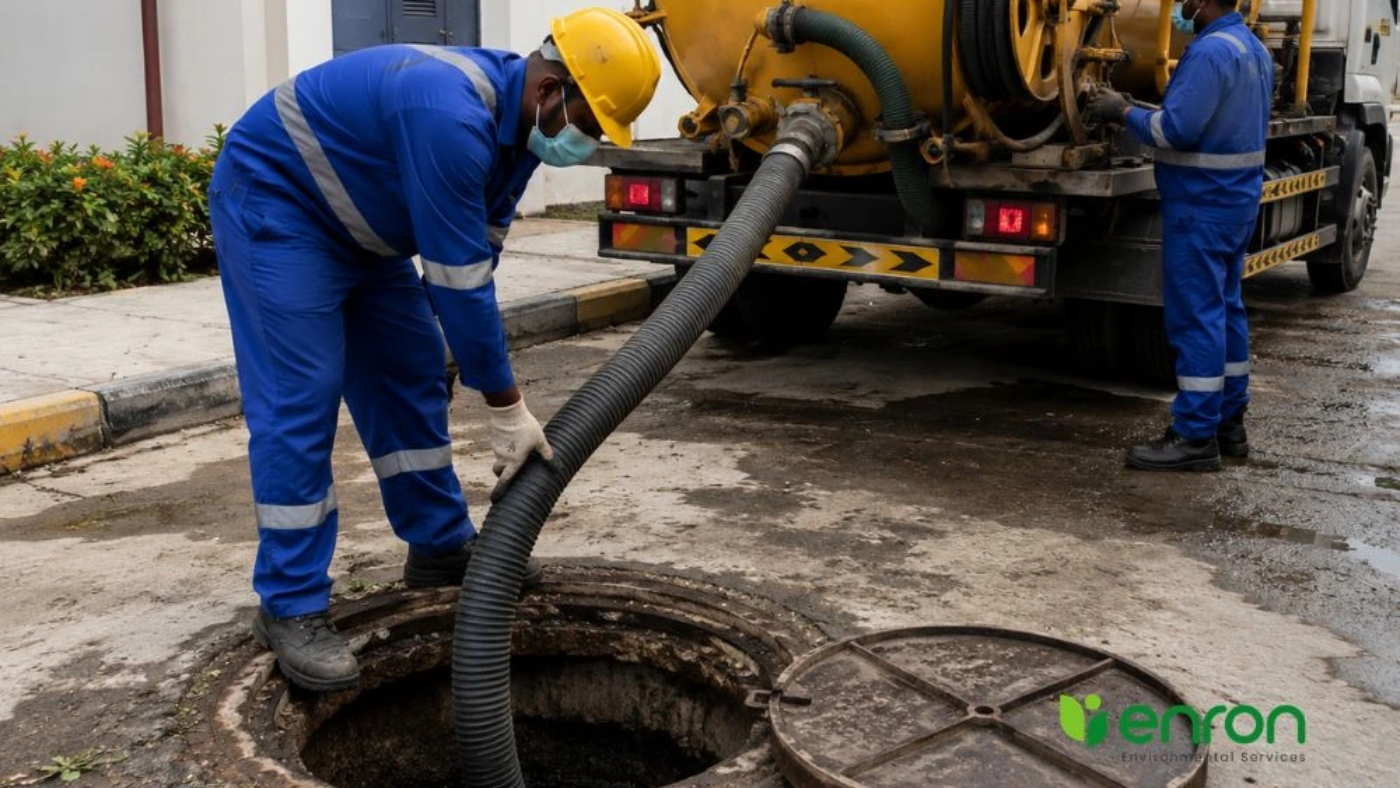
A properly functioning sewage tank is essential for maintaining a clean, safe, and hygienic property. Whether it serves a residential villa, apartment building, commercial facility, restaurant, warehouse, or labor accommodation, a sewage tank plays a critical role in collecting and storing wastewater before it is transported for treatment or disposal.
However, many property owners overlook the importance of regular sewage tank maintenance until problems such as foul odors, slow drainage, overflows, or system failures occur. One of the most common questions property owners ask is, “How often should a sewage tank be cleaned?”
The answer depends on several factors, including tank size, occupancy levels, water usage, and the type of property. This complete guide explains the importance of sewage tank cleaning, recommended cleaning frequencies, warning signs, and best practices for maintaining an efficient wastewater system. Here you will learn things from Enron, the trusted name in sewage tank cleaning Dubai.
What Is a Sewage Tank?
A sewage tank is a storage system designed to collect wastewater generated from toilets, kitchens, bathrooms, and other plumbing fixtures. The tank temporarily stores sewage until it is removed and transported to an approved treatment facility.
Sewage tanks are commonly used in:
- Residential villas
- Apartment complexes
- Commercial buildings
- Restaurants
- Hotels
- Industrial facilities
- Labor accommodations
- Construction sites
Regular cleaning is necessary to prevent waste accumulation and ensure the system operates efficiently.
Why Is Sewage Tank Cleaning Important?
Over time, sewage tanks fill with sludge, solid waste, grease, and wastewater. Without regular cleaning, these materials continue to accumulate and reduce the tank’s capacity.
Routine sewage tank cleaning helps:
- Prevent tank overflows
- Eliminate unpleasant odours
- Reduce health risks
- Improve drainage performance
- Protect plumbing systems
- Prevent environmental contamination
- Extend the lifespan of the sewage system
Ignoring maintenance can lead to costly repairs and significant hygiene concerns.
How Often Should a Sewage Tank Be Cleaned?
There is no universal schedule because every property generates wastewater at different rates. However, general guidelines can help property owners plan maintenance.
Residential Villas
For most family homes and villas, sewage tank cleaning is recommended every:
6 to 12 months
Factors affecting cleaning frequency include:
- Number of occupants
- Daily water consumption
- Tank capacity
Larger families typically require more frequent cleaning.
Apartment Buildings
Apartment complexes generate significantly higher volumes of wastewater.
Recommended cleaning frequency:
Every 3 to 6 months
Property managers should monitor tank levels regularly to prevent overflow and drainage issues. If your building’s most difficult problem is sewage cleaning, partnering with the best building cleaning company in Dubai can help ensure safe, efficient, and long-term solutions.
Restaurants and Commercial Kitchens
Restaurants produce wastewater containing grease, oils, food particles, and other waste materials.
Recommended cleaning frequency:
Every 1 to 3 months
High-volume food establishments may require even more frequent servicing.
Hotels and Hospitality Facilities
Hotels experience continuous wastewater generation due to guest usage.
Recommended cleaning frequency:
Every 2 to 4 months
Regular inspections help determine the ideal schedule.
Labor Accommodations
Labor camps and staff accommodations often have high occupancy levels and significant wastewater production.
Recommended cleaning frequency:
Monthly or every 2 months
Regular maintenance helps prevent hygiene issues and system overload.
Industrial and Commercial Facilities
Industrial sites vary greatly depending on their operations.
Recommended cleaning frequency:
Every 1 to 6 months
Facilities with high wastewater output may require more frequent cleaning.
Factors That Affect Sewage Tank Cleaning Frequency
Several factors determine how often a sewage tank should be cleaned.
1. Tank Size
Larger tanks can store more wastewater before reaching capacity.
Smaller tanks fill more quickly and typically require more frequent cleaning.
2. Number of Occupants
The more people using the property, the more wastewater is generated.
A villa occupied by two people will require less frequent cleaning than a villa occupied by eight people.
3. Water Usage
High water consumption increases the volume of wastewater entering the tank.
Factors influencing water usage include:
- Number of bathrooms
- Washing machines
- Dishwashers
- Commercial kitchen operations
4. Type of Property
Commercial and industrial properties generally generate more wastewater than residential properties.
Restaurants and hospitality businesses often require more frequent cleaning due to grease and food waste.
5. Waste Composition
Properties generating grease, food waste, or industrial residues may experience faster sludge accumulation.
This can reduce tank efficiency and increase cleaning requirements.
Warning Signs That a Sewage Tank Needs Cleaning
Property owners should not rely solely on a fixed schedule. Monitoring the system for warning signs is equally important.
Common signs include the following:
Slow Drains
Slow water drainage from sinks, showers, or toilets could be due to a full sewage tank.
Unpleasant Odors
Foul smells around drains, bathrooms, or outdoor tank areas often signal waste accumulation.
Sewage Backup
Wastewater backing up into sinks or toilets is a serious indication that immediate cleaning is required.
Overflowing Tank
Visible wastewater overflow around the tank area requires urgent attention.
Increased Pest Activity
Rodents, flies, and insects are often attracted to sewage-related issues.
What Happens If a Sewage Tank Is Not Cleaned?
Neglecting sewage tank maintenance can lead to several costly and hazardous consequences.
Tank Overflow
When a sewage tank reaches capacity, wastewater may overflow onto the property.
This creates significant health and environmental risks.
Plumbing Damage
Excess waste buildup can place pressure on drainage systems and lead to pipe blockages.
Health Hazards
Untreated sewage contains harmful bacteria, viruses, and pathogens that can affect human health.
Environmental Contamination
Sewage leaks can contaminate soil and groundwater.
Expensive Repairs
Emergency repairs are often far more expensive than routine maintenance.
Regular cleaning helps avoid these unexpected costs.
The Sewage Tank Cleaning Process
Professional sewage tank cleaning typically involves several steps.
Inspection
Technicians assess tank condition and waste levels.
Waste Removal
Specialised vacuum tankers remove sludge, wastewater, and accumulated solids.
Tank Cleaning
Interior surfaces may be cleaned to remove remaining deposits.
System Inspection
The tank, pipes, and connections are checked for potential issues.
Safe Waste Disposal
Waste material will be removed and taken to designated disposal sites as per guidelines.
Benefits of Professional Sewage Tank Cleaning
Hiring professionals provides several advantages.
Improved Hygiene
Proper cleaning reduces odours and health risks.
Better System Performance
Regular maintenance ensures efficient wastewater flow.
Regulatory Compliance
Professional services follow environmental and municipal regulations.
Reduced Risk of Emergencies
Routine cleaning prevents overflows and system failures.
Longer Equipment Lifespan
Maintained systems experience less wear and tear.
Sewage Tank Cleaning in UAE Conditions
In the UAE, regular sewage tank maintenance is particularly important due to:
- High occupancy levels in residential and commercial properties
- Large-scale hospitality operations
- Continuous commercial activity
- Hot climate conditions
Without routine servicing, sewage tanks can fill quickly and develop hygiene issues that affect property occupants and operations.
For many UAE properties, proactive sewage tank cleaning is a critical part of facility maintenance.
Professional Sewage Tank Cleaning Services by Enron
For property owners and businesses seeking reliable wastewater management solutions, Enron provides professional sewage tank cleaning services across Dubai and the UAE.
The experienced team uses advanced vacuum tanker equipment and industry-standard procedures to safely remove wastewater, sludge, and accumulated waste from sewage tanks of all sizes.
Enron’s sewage tank cleaning services help:
- Prevent overflows and blockages
- Improve system efficiency
- Maintain hygiene standards
- Reduce unpleasant odors
- Support regulatory compliance
Whether for residential villas, commercial buildings, restaurants, labor accommodations, or industrial facilities, Enron delivers dependable sewage tank maintenance solutions tailored to specific property requirements.
Tips to Maintain a Healthy Sewage System
Property owners can reduce problems by following a few simple practices:
- Schedule regular tank inspections
- Avoid disposing of grease into drains
- Prevent non-biodegradable items from entering the system
- Monitor water usage
- Arrange professional cleaning before the tank reaches capacity
Preventive maintenance is always more cost-effective than emergency repairs.
Is Regular Sewage Tank Cleaning Essential?
So, how often should a sewage tank be cleaned? The answer depends on factors such as tank size, occupancy, water usage, and property type. While residential properties may only require cleaning every 6 to 12 months, commercial facilities, restaurants, and labour accommodations often need more frequent servicing.
Regular sewage tank cleaning is essential for maintaining hygiene, preventing system failures, protecting plumbing infrastructure, and ensuring safe wastewater management. By following a routine maintenance schedule and working with professional service providers, property owners can avoid costly problems and keep their sewage systems operating efficiently throughout the year.
Leave A Comment