

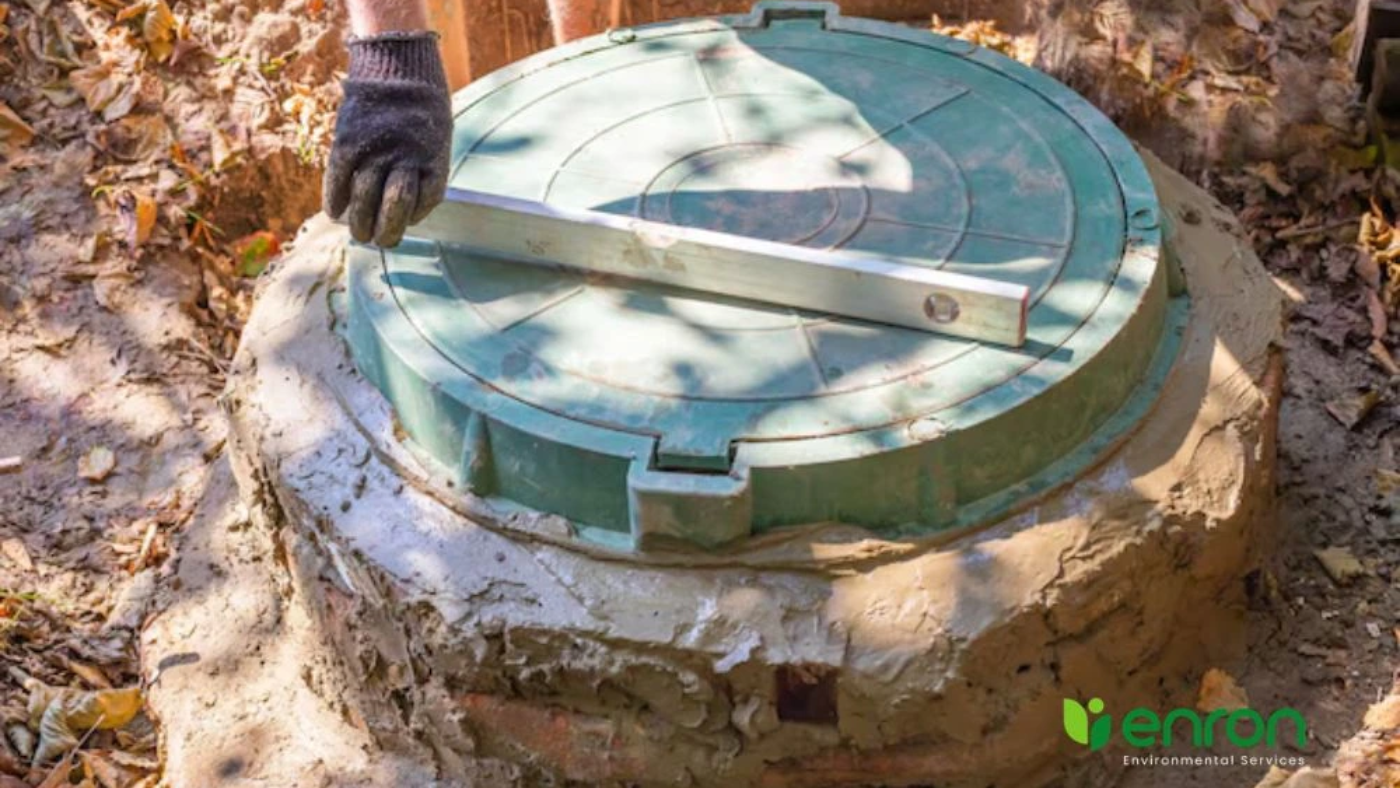
Managing wastewater safely is essential for every home, apartment, and commercial building. One of the most important systems that makes this possible is the Sewage Storage Tank. If you are new to the concept or planning to install one, this beginner-friendly guide will help you understand how it works, why it matters, and how to maintain it properly. Let’s talk about how a sewage storage tank works.
What Is a Sewage Storage Tank?
A Sewage Storage Tank is a sealed container designed to collect and temporarily store wastewater from toilets, kitchens, and bathrooms. Unlike septic tanks, which treat waste to some extent, storage tanks mainly hold sewage safely until it is removed and transported to a proper treatment facility.
These tanks are commonly used in:
- Residential homes
- Apartments and villas
- Commercial buildings
- Construction sites
- Remote locations without direct sewage lines
Their main goal is to prevent pollution, protect public health, and ensure safe waste disposal.
Why Sewage Storage Tanks Are Important
A properly functioning Sewage Storage Tank plays a major role in modern sanitation systems. Here’s why it is important:
- Prevents groundwater contamination
- Stops foul odours from spreading
- Keeps living environments hygienic
- Reduces health risks from bacteria and harmful waste
- Supports safe waste transportation and treatment
Without proper sewage storage, untreated waste can enter soil and water sources, creating serious environmental and health hazards.
How a Sewage Storage Tank Works (Step-by-Step)
Understanding how the system works helps you manage it better. Here is a simple breakdown:
1. Wastewater Collection
All wastewater from your building flows through pipes into the Sewage Storage Tank. This includes water from toilets, sinks, showers, and washing areas.
2. Storage and Separation
Inside the tank:
- Solid waste settles at the bottom (sludge)
- Liquids remain in the middle layer
- Grease and lighter materials float on top
This natural separation helps in easier removal and safe handling.
3. Safe Containment
The tank is built with strong materials such as concrete, plastic, or fiberglass to ensure no leakage or contamination occurs. The sealed structure prevents bad smells and keeps harmful bacteria contained.
4. Regular Pumping and Cleaning
Once the tank fills up, it must be emptied by professional cleaning services. Regular pumping prevents overflow and maintains system efficiency.
If you are located in the UAE, many property owners depend on the best sewage cleaning services in Dubai. to ensure their tanks are emptied and maintained safely and hygienically.
Key Components of a Sewage Storage Tank System
To function properly, a Sewage Storage Tank includes several essential parts:
- Inlet Pipe: carries wastewater into the tank
- Storage Chamber: holds and separates waste
- Vent Pipe: releases gases safely
- Access Lid: allows inspection and cleaning
- Outlet or Pumping Access: used for removing waste
Each component plays a role in keeping the system safe and effective.
Types of Sewage Storage Tanks
There are several types of tanks available based on your needs:
1. Concrete Tanks
- Strong and long-lasting
- Suitable for large buildings
- Resistant to pressure and damage
2. Plastic (Polyethylene) Tanks
- Lightweight and easy to install
- Affordable for residential use
- Corrosion-resistant
3. Fiberglass Tanks
- Durable and leak-proof
- Ideal for harsh environments
- Low maintenance
Choosing the right type depends on your property size, usage, and budget.
Maintenance Tips for Beginners
Regular maintenance is the key to long-lasting performance. Follow these simple tips:
- Schedule regular inspections
- Pump out waste before the tank is full
- Avoid dumping chemicals, oil, or plastic waste
- Check for leaks or cracks
- Keep the surrounding area clean and accessible
Hiring a professional service provider helps ensure safe and effective cleaning. Many homeowners rely on a Best Cleaning Company in Dubai to handle sewage tank maintenance with proper equipment and trained staff.
Common Problems and How to Avoid Them
Even a well-built Sewage Storage Tank can face issues if not maintained properly. Here are common problems and solutions:
Overflow
Cause: delayed cleaning
Solution: schedule timely pumping
Bad Odour
Cause: blocked vents or full tank
Solution: clean vents and empty tank
Leakage
Cause: cracks or damage
Solution: repair or replace damaged parts
Blocked Pipes
Cause: solid waste buildup
Solution: regular inspection and cleaning
Preventive care is always easier and cheaper than repairs.
Environmental Benefits of Proper Sewage Storage
Using a well-maintained Sewage Storage Tank contributes to environmental protection in many ways:
- Prevents contamination of lakes, rivers, and groundwater
- Reduces spread of harmful bacteria
- Supports safe waste recycling and treatment
- Promotes cleaner and healthier communities
Proper sewage management is a responsibility for every property owner.
Conclusion
A Sewage Storage Tank is an essential part of safe and effective waste management. By understanding how it works, maintaining it regularly, and choosing the right type, you can ensure a clean, hygienic, and environmentally friendly living space.
Whether you are a homeowner, builder, or business owner, investing in proper sewage storage is not just a necessity it is a long-term solution for health, safety, and sustainability.
Leave A Comment