

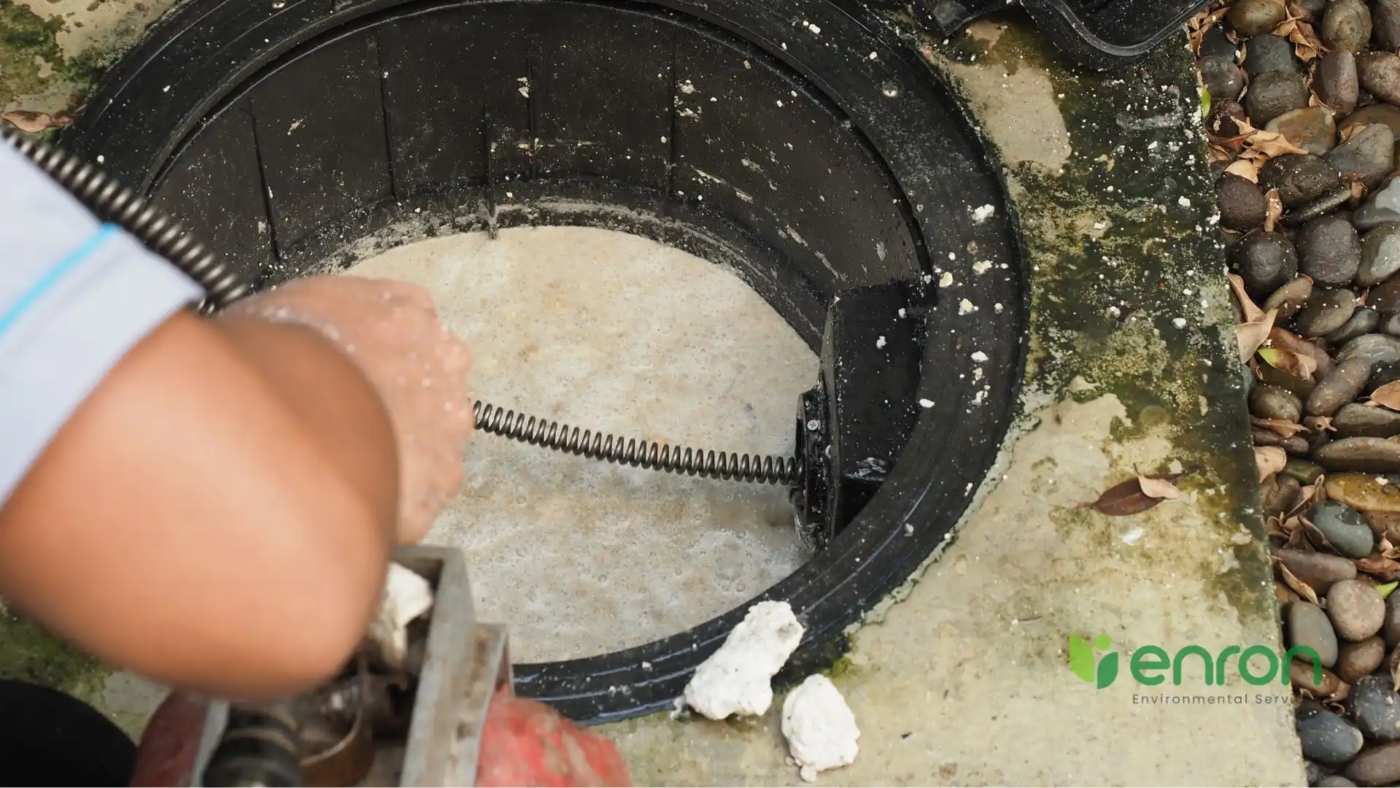
A restaurant kitchen produces a large amount of grease, oil, and food waste every day. When these substances enter the drainage system, they can cause severe blockages, unpleasant odours, and even damage to plumbing infrastructure. This is where a grease trap for restaurant kitchens becomes essential.
Grease traps are designed to capture fats, oils, and grease (FOG) before they enter the drainage system. Proper installation and regular cleaning help maintain hygiene, protect plumbing systems, and ensure compliance with local regulations. Professional grease trap installation and cleaning services make the process easier and more effective for restaurant owners.
What is a Grease Trap?
A grease trap is a plumbing device installed in commercial kitchens to intercept fats, oils, and grease from wastewater before it flows into the sewer system.
Restaurant kitchens use large quantities of cooking oil, butter, and fatty food ingredients. When these substances are washed down sinks, they cool and solidify inside pipes. Over time, this leads to blockages that can disrupt kitchen operations.
Grease traps work by separating grease from wastewater. The grease floats on top, solids settle at the bottom, and the relatively clean water flows into the drainage system.
Why Grease Traps Are Important for Restaurant Kitchens
1. Prevents Drain Blockages
Grease buildup is one of the most common causes of blocked kitchen drains. A grease trap captures these substances before they enter pipes.
2. Improves Kitchen Hygiene
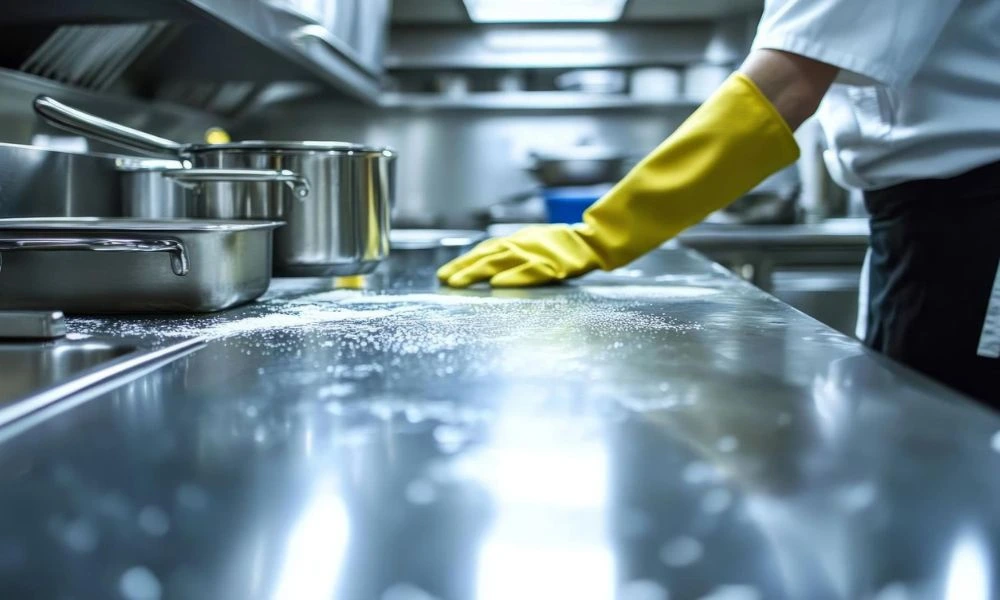
Accumulated grease in pipes can create foul odours and attract pests. Proper grease management helps maintain a hygienic kitchen environment.
3. Protects Plumbing Systems
Grease can harden inside pipes and cause costly plumbing damage. Grease traps protect the entire drainage system.
4. Helps Meet Regulatory Requirements
Many municipalities require restaurants to install grease traps to prevent sewer contamination.
5. Supports Environmental Protection
Grease entering public sewer systems can cause serious environmental problems. Grease traps reduce pollution and protect wastewater systems.
How Grease Traps Work
Grease traps operate using a simple separation process.
- Wastewater from sinks enters the grease trap.
- Fats, oils, and grease float to the surface.
- Food particles settle at the bottom.
- Clean water flows out through the outlet pipe.
Over time, the grease layer grows thicker. If it is not removed regularly, the trap becomes ineffective. This is why regular grease trap cleaning is essential.
Types of Grease Traps Used in Restaurant Kitchens
Passive Grease Traps
These are small units usually installed under sinks. They are suitable for smaller kitchens and require frequent cleaning.
Automatic Grease Removal Units
These systems automatically remove grease from the trap and store it in a container. They are commonly used in busy commercial kitchens.
Large Outdoor Grease Interceptors
Large restaurants often use outdoor grease interceptors that handle higher volumes of wastewater.
Selecting the right type of grease trap depends on kitchen size, cooking volume, and local regulations.
Grease Trap Installation for Restaurant Kitchen
Proper installation is essential for grease traps to function efficiently. The installation process typically includes:
- Assessing kitchen layout and drainage system
- Selecting the appropriate grease trap size
- Installing the unit near sinks or dishwashing areas
- Connecting the grease trap to the plumbing system
- Testing the system for proper operation
Professional installation ensures that the grease trap meets local standards and operates efficiently.
Importance of Regular Grease Trap Cleaning
Grease traps must be cleaned regularly to maintain their effectiveness. When the grease layer becomes too thick, the trap can overflow or allow grease to enter the drainage system.
Common signs that a grease trap needs cleaning include:
- Slow-draining sinks
- Unpleasant odours in the kitchen
- Grease is overflowing from the trap
- Increased pest activity
Routine cleaning prevents these problems and ensures smooth kitchen operations.
Recommended Grease Trap Cleaning Schedule
Cleaning frequency depends on kitchen usage. However, general guidelines include:
- Small restaurants: every 1–2 weeks
- Medium restaurants: every 2–4 weeks
- High-volume kitchens: weekly cleaning
Professional cleaning services use specialised equipment to remove grease safely and dispose of waste according to environmental regulations.
Benefits of Professional Grease Trap Services
Managing grease traps requires technical knowledge and proper tools. Professional services offer several advantages:
- Safe grease removal
- Proper waste disposal
- Compliance with regulations
- Prevention of plumbing issues
- Improved kitchen hygiene
Expert technicians ensure that grease traps operate efficiently and remain free from blockages.
Grease Trap Installation and Cleaning Services by Enron
Professional grease trap services help restaurants maintain clean and efficient kitchen environments. Enron provides reliable grease trap installation and grease trap cleaning services in Dubai, helping commercial kitchens manage fats, oils, and grease effectively.
Experienced technicians assess kitchen requirements and install the appropriate grease trap system. Regular cleaning services ensure that grease traps function properly, preventing blockages and maintaining hygiene standards.
By using professional services, restaurants can focus on their operations while ensuring their drainage systems remain safe and efficient.
Conclusion
Grease traps play a crucial role in maintaining the efficiency and hygiene of restaurant kitchens. They prevent grease from entering drainage systems, protect plumbing infrastructure, and support environmental sustainability.
However, grease traps require proper installation and regular cleaning to function effectively. Professional grease trap services ensure that restaurant kitchens remain clean, compliant, and free from drainage issues.
For restaurants looking to maintain a safe and hygienic kitchen environment, expert grease trap installation and cleaning services provide a practical and reliable solution.
Leave A Comment