

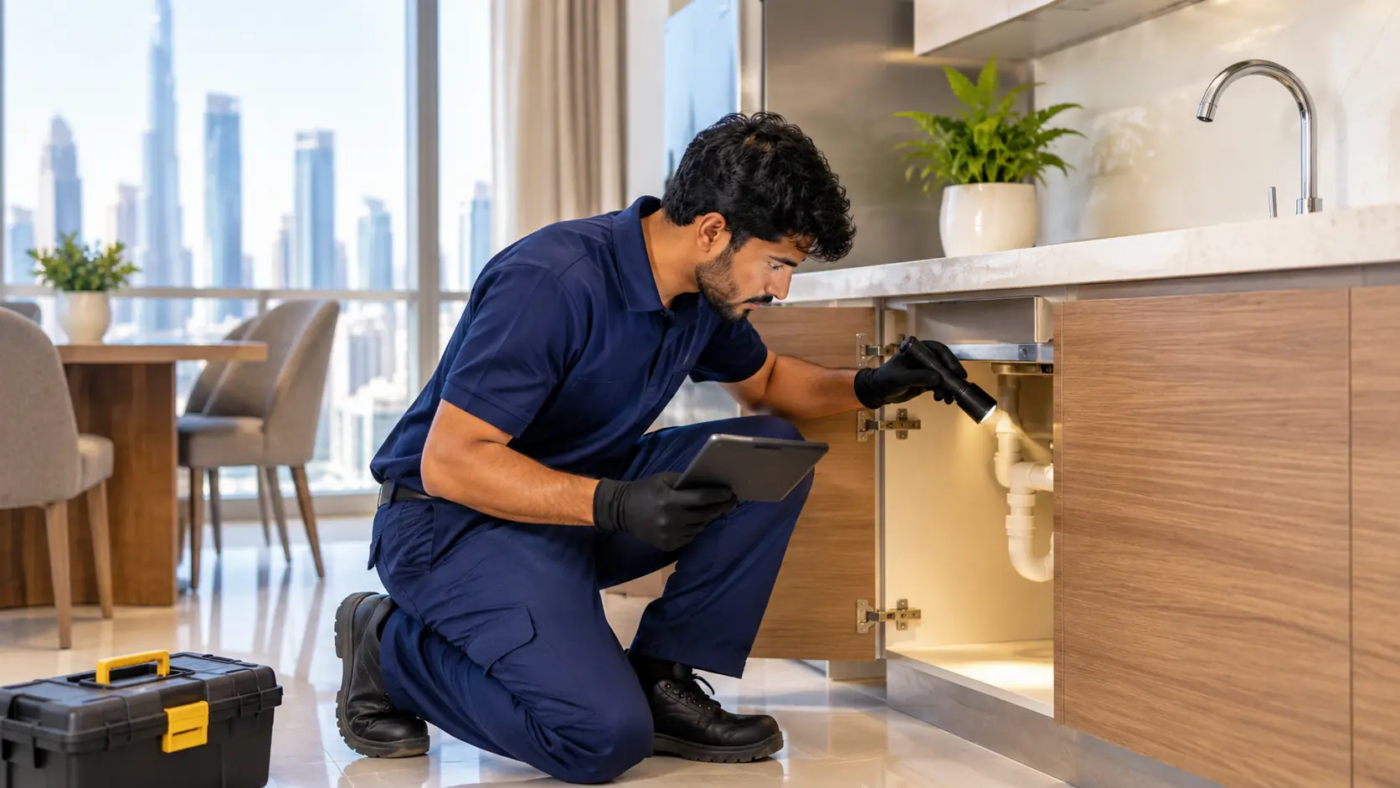
Most people in Dubai call a pest control company only after a cockroach runs across the kitchen floor or something scratches inside the ceiling. By then, the problem has usually been growing for weeks.
A regular pest control schedule in Dubai works the other way around. It stops pests from settling in at all. The hard part is knowing how often is enough, because a studio flat in Jumeirah Village Circle, a villa with a garden and a busy restaurant kitchen face very different risks.
This guide gives you realistic timings for each property type, explains how Dubai’s climate changes the rules, and shows you which mistakes waste money.
Why You Need a Pest Control Schedule in Dubai
Dubai looks dry from the outside, but inside buildings the picture is different. Air conditioning runs all year, pipes run through walls, and kitchens, bathrooms and parking areas stay warm and damp. Pests love those conditions.
A few things make the city a special case:
- Heat all year: Insects breed faster in warm weather, so a small group can become a large one within weeks.
- Shared buildings: Pests travel between flats through pipes, ducts, cable shafts and waste chutes, so a neighbour’s problem can quickly become yours.
- Plenty of food: Delivery boxes, busy kitchens and overflowing bins give pests an easy meal.
- Moisture from AC and irrigation: Condensation, garden watering and small leaks supply the water pests need.
Because of this, a fixed pest control schedule in Dubai works better than spraying only when you see something.
How a Treatment Works and Why Timing Matters
A professional treatment does not kill every insect for good. It does two jobs. First, it removes the pests that are there now. Second, it leaves a protective layer, such as gel baits, residual sprays or monitoring traps, that keeps working for a while.
That protection fades. Mopping, humidity, sunlight and ordinary use wear it down. Once it weakens, new pests arriving from outside, from a neighbouring unit or inside a delivery box can settle in again.
So the real question is not how often pests show up. It is how long protection lasts and when to refresh it. For most properties, that window is between one and three months, and a good pest control schedule in Dubai is built around it. Reliable pest control services in Dubai will set the gap based on your property, the pest and the products used, not a one-size-fits-all plan.
Recommended Pest Control Schedule in Dubai by Property Type
Apartments and Studios
For a standard flat, a visit every three months is a sensible starting point. This is basic residential pest control: an inspection, gel baits for cockroaches and ants, treatment of cracks and gaps, and advice on entry points.
Move to every two months if you live on a ground floor, next to a restaurant, or in an older building where many units share the same pipes and shafts.
Villas and Townhouses
Villas have more to protect. Gardens, outdoor drains, boundary walls, garages, maid’s rooms and roof spaces all add risk. Ants, mosquitoes, crickets, rodents and sometimes termites become possible.
A good pest control schedule in Dubai for villas means a visit every two months in the hot, humid months and every three months in the cooler season. If you water a large garden or keep pet food outside, choose the shorter gap.
Offices and Commercial Spaces
Offices look clean, but pantries, shared fridges, bins and false ceilings still attract pests. A commercial pest control plan usually runs monthly or every two months, depending on staff numbers, pantry size and the age of the building.
Warehouses, retail stores and any space with food or packaging stock should keep a monthly pest control schedule in Dubai. Rodents and insects in a stockroom can ruin goods, and that costs far more than regular visits.
Restaurants, Cafes and Food Businesses
This is the strictest category. Restaurant pest control is normally done monthly, and busy kitchens often add extra visits for problem areas such as drains, grease traps and storage rooms.
Food businesses in Dubai are generally expected to work with a Dubai Municipality approved pest control company, and inspectors may ask to see service records. Confirm the current requirements with Dubai Municipality and keep every report organised as part of your pest control schedule in Dubai. Good cleaning matters just as much, so read our guide on kitchen deep cleaning and pest prevention for restaurants.
Pest Control Frequency by Type of Pest
Some pests do not follow a calendar. Here is how timing changes with the problem:
- Cockroaches: Regular cockroach control every one to three months works best. A follow-up visit soon after the first treatment is common, because eggs can hatch after the spray. Our post on how poor cleaning habits attract cockroaches in Dubai apartments explains why they keep coming back.
- Ants: Seeing ants a week after treatment is often part of how baits work through the colony, but persistent trails need a recheck. Read why ants come back after pest control for the full story.
- Mice and rats: Rodent control starts with inspection, trapping and sealing entry points. Expect monthly visits at first, then every quarter once activity stops.
- Bed bugs: Act the moment you find signs. Treatment is usually followed by a check about two weeks later. Here are the early signs of bed bugs in Dubai rentals.
- Termites: Book an inspection once a year, especially in villas with wooden doors, wardrobes and skirting. Termite control should begin as soon as you notice mud tubes, hollow-sounding wood or fine wood dust.
- Flies and mosquitoes: These rise with heat and moisture. Small flies near drains often point to a plumbing issue, which our guide to small flies in kitchen and bathroom drains explains.
Seasonal Timing in Dubai
Activity usually climbs from late spring to early autumn, when heat and humidity are at their highest. Many property owners add a visit just before summer so protection is fresh when pests are most active.
Winter is not pest free either. Cooler weather can push rodents and insects indoors, and the occasional humid or rainy spell can bring mosquitoes and flies. Keep your pest control schedule in Dubai steady instead of stopping for months.
How to Set the Right Pest Control Schedule in Dubai for Your Property
Use this simple process to decide your visit gap:
- Start with the property type. Use the ranges above as your baseline.
- Review the past year. If you had cockroaches, ants or rodents recently, shorten the gap for a while.
- Check your surroundings. Restaurants, construction sites, gardens and waste areas nearby raise the risk.
- Look at food and waste. More food storage and more rubbish mean more frequent visits.
- Adjust after three visits. Read the technician’s reports. If activity is zero, you may stretch the interval. If pests keep showing up, tighten it.
Building a pest control schedule in Dubai this way keeps your decisions based on evidence instead of guesswork.
An annual pest control contract often costs less per visit and guarantees regular technician time. Just make sure it allows extra visits if a problem appears between scheduled dates.
Signs You Need a Visit Sooner
Do not wait for the calendar if you notice any of these:
- Droppings that look like black pepper or grains of rice
- Live insects in daylight, which often means a large hidden group
- Gnaw marks on packaging, wires or wood
- Small dark spots or bites around mattresses and bed frames
- Sudden swarms of tiny flies near drains
Any of these means your protection has failed or a new problem has arrived. Ask your provider for an extra visit straight away.
Expert Tips to Get More From Every Visit
- Tell the technician where you have seen pests, even if the problem seems small.
- Keep food sealed and take out rubbish daily, especially in summer.
- Fix dripping taps, leaking pipes and AC condensation lines. Pests need water more than food.
- Ask for a written service report after each visit and keep it. It helps with landlord checks and inspections.
- Review your pest control schedule in Dubai every six months and adjust it if your property, staff or surroundings change.
- Pair treatments with regular cleaning. Here is why cleaning and pest control work better together, and you can also book house cleaning services in Dubai for a deeper reset.
Common Mistakes That Waste Money
- Waiting until you see pests. By the time you spot one, many more are hiding.
- Choosing the cheapest one-off visit. A single treatment rarely fixes a recurring problem.
- Skipping the follow-up. Eggs hatch after the first treatment, and a second visit catches them.
- Wiping treated areas straight away. That removes the protective layer you paid for.
- Treating only your own unit. In a shared building, neighbouring units can keep sending pests back.
- Using store-bought sprays between visits. These can scatter cockroaches into new areas and interfere with baits.
Benefits of Following a Pest Control Schedule in Dubai
- Lower long-term cost: Preventive visits cost less than emergency treatments, repairs or lost stock.
- A healthier space: Fewer pests mean less contamination of food and surfaces, and fewer triggers for allergies.
- Protected property: Rodents chew wires, termites damage wood and cockroach droppings stain surfaces.
Conclusion
There is no single answer, but any pest control schedule in Dubai follows a clear pattern. Flats and villas usually need a visit every two to three months, offices every one to two months and restaurants every month, with extra visits after any warning sign.
The best pest control schedule in Dubai matches your property, your surroundings and the season, and changes when your service reports show something new. Start with the ranges in this guide, keep your records and stay consistent.
If you want an expert to inspect your property and suggest a plan, contact the Enron team and book your visit today.
Frequently Asked Questions
Is a three-month pest control schedule in Dubai enough for an apartment?
For most flats, yes. A visit every three months keeps protection fresh in a typical apartment. Shorten the gap to every two months if you live on the ground floor, next to a restaurant or in an older building with shared pipes. If pests keep appearing between visits, tell your provider so the plan can be adjusted.
Can I handle pests myself between professional visits?
You can help, but you cannot replace the professional treatment. Keep food sealed, empty bins daily, fix leaks and seal small gaps around pipes and doors. Avoid spraying store-bought products on treated areas, because they can scatter insects and reduce the effect of baits. If you see more pests than usual, call for an extra visit instead.
How soon can I clean after a pest control treatment?
It depends on the products used, so follow your technician’s advice. In general, avoid wiping skirting edges, cracks and bait points straight away, because that removes the protective layer. Normal floor cleaning is often fine after the treated surfaces have dried. Ask the technician to point out which areas to leave alone and for how long.
Are pest control treatments safe for children and pets?
Professional treatments use approved products applied in small, targeted amounts, and most are designed for use in homes. Still, keep children and pets out of treated rooms until the surfaces are dry, and cover fish tanks and food items if asked. Always ask your provider which products they use and what precautions apply to your household.
What should I do if pests come back soon after a treatment?
Do not panic, as some activity right after treatment is normal while baits and sprays take effect. If you still see pests after a week or two, contact your provider for a follow-up visit. Also check for the source, such as leaking pipes, food left out or a neighbouring unit, because fixing that stops the problem from repeating.
Leave A Comment