

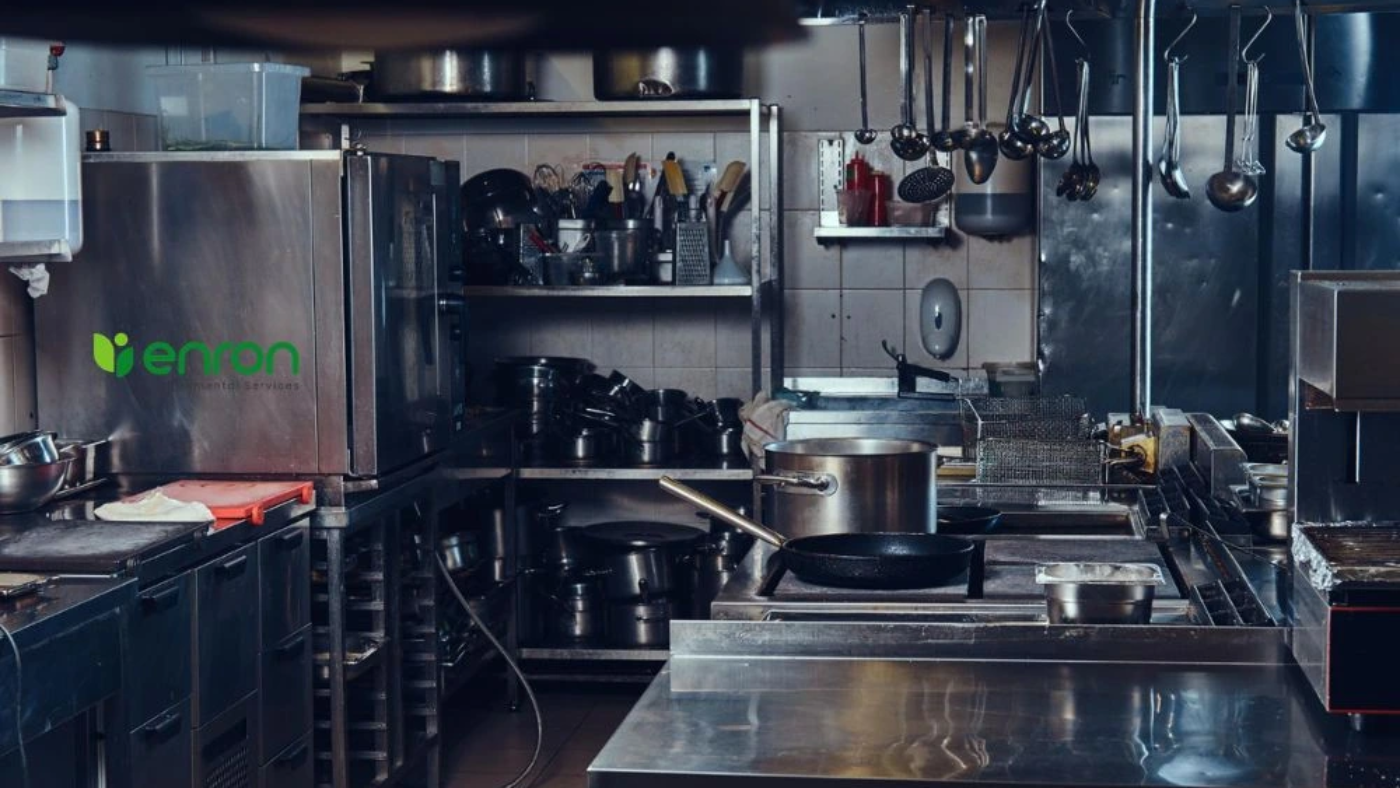
Commercial kitchens are busy environments where food is prepared, cooked, and served throughout the day. Restaurants, hotels, cafeterias, catering facilities, and food processing establishments rely on efficient kitchen operations to maintain productivity and customer satisfaction. However, one common issue that many commercial kitchens face is grease buildup.
Grease accumulation may seem like a minor problem at first, but over time, it can create serious operational, safety, hygiene, and financial challenges. From blocked drains and unpleasant odors to fire hazards and equipment damage, grease buildup can significantly affect the efficiency of a commercial kitchen.
In this guide, we will explore how grease buildup affects commercial kitchen operations, the risks associated with it, and why regular grease trap cleaning and kitchen maintenance are essential for food businesses.
What Is Grease Buildup?
Grease buildup occurs when fats, oils, and grease (commonly known as FOG) accumulate in kitchen drains, grease traps, exhaust systems, ductwork, and cooking equipment.
During daily cooking activities, oils, butter, fats, and food residues are washed into sinks and drainage systems. While some of these materials flow away with wastewater, a large portion sticks to surfaces and gradually hardens over time.
Without proper maintenance, this buildup can create major problems throughout the kitchen.
Common Sources of Grease in Commercial Kitchens
Grease accumulation usually comes from:
- Frying oils
- Cooking fats
- Butter and dairy products
- Meat residues
- Food scraps
- Dishwashing activities
- Kitchen exhaust systems
High-volume kitchens often generate significant amounts of grease daily, making regular cleaning essential.
How Grease Buildup Affects Commercial Kitchen Operations
1. Causes Drain Blockages
One of the most common effects of grease buildup is clogged drains.
When grease enters drainage systems, it cools and solidifies inside pipes. Over time, layers of grease accumulate and restrict water flow.
Consequences Include:
- Slow-draining sinks
- Standing water
- Frequent plumbing issues
- Complete drain blockages
Blocked drains can disrupt kitchen workflows and create unnecessary downtime during busy service hours.
2. Creates Unpleasant Odors
Grease that accumulates in drains, grease traps, and kitchen equipment begins to decompose over time.
This decomposition produces unpleasant odors that can spread throughout the kitchen and dining areas.
Bad odors can:
- Affect employee comfort
- Create negative customer experiences
- Indicate poor kitchen hygiene
Regular grease removal helps maintain a fresher and cleaner environment.
3. Increases Fire Risks
One of the most serious dangers of grease buildup is the increased risk of fire.
Grease is highly flammable. When it accumulates inside:
- Kitchen exhaust systems
- Ventilation ducts
- Canopies
- Hoods
it creates fuel for potential fires.
A small spark or high cooking temperature can ignite grease deposits, resulting in dangerous kitchen fires.
This is why regular kitchen canopy cleaning and exhaust system maintenance are critical for commercial kitchens.
4. Attracts Pests
Grease and food residues attract pests such as:
- Cockroaches
- Rodents
- Flies
- Ants
Pests are naturally drawn to food sources and organic waste.
A kitchen with excessive grease accumulation can quickly become a breeding ground for infestations, creating hygiene and health concerns.
5. Reduces Kitchen Hygiene Standards
Maintaining cleanliness is essential in food preparation environments.
Grease buildup can:
- Encourage bacterial growth
- Create unsanitary conditions
- Contaminate food preparation areas
Poor hygiene standards can affect food quality and customer confidence.
Regular cleaning helps maintain compliance with food safety requirements and industry standards.
6. Damaged Kitchen Equipment
Grease accumulation affects various kitchen appliances and systems, including:
- Cooking ranges
- Fryers
- Ovens
- Ventilation systems
- Exhaust fans
Excessive grease forces equipment to work harder and reduces efficiency.
Over time, this can lead to:
- Increased maintenance costs
- Equipment breakdowns
- Shortened equipment lifespan
Preventive cleaning protects valuable kitchen assets.
7. Affects Employee Productivity
A clean and organized kitchen allows staff to work efficiently.
Grease-related issues such as:
- Slippery floors
- Bad odors
- Drainage problems
- Equipment malfunctionsIt
can slow down kitchen operations and affect staff productivity.
Employees perform better in clean, safe, and well-maintained environments.
8. Creates Slip and Fall Hazards
Grease spills and buildup on floors create dangerous working conditions.
Slippery surfaces increase the risk of:
- Falls
- Workplace injuries
- Staff accidents
Commercial kitchens already operate in fast-paced environments, making floor safety a top priority.
Regular cleaning reduces accident risks and improves workplace safety.
9. Leads to Regulatory Compliance Issues
Food establishments must comply with hygiene and safety regulations.
Failure to manage grease buildup can result in:
- Health inspection violations
- Regulatory penalties
- Business reputation damage
Proper grease management helps businesses meet operational and sanitation requirements.
10. Increases Maintenance and Repair Costs
Ignoring grease accumulation often results in larger problems later.
Common expenses include:
- Emergency plumbing repairs
- Drain cleaning services
- Equipment replacement
- Pest control treatments
- Fire damage repairs
Routine cleaning is significantly more cost-effective than dealing with major repairs.
Importance of Grease Traps in Commercial Kitchens
Grease traps are designed to capture fats, oils, and grease before they enter the drainage system.
A properly functioning grease trap helps:
- Prevent pipe blockages
- Reduce odor problems
- Improve drainage performance
- Protect municipal sewer systems
However, grease traps require regular cleaning to remain effective.
Without maintenance, grease traps can overflow and lose their ability to separate grease from wastewater.
How Often Should Grease Traps Be Cleaned?
The ideal cleaning frequency depends on:
- Kitchen size
- Cooking volume
- Number of customers served
- Local regulations
General recommendations include:
Small Restaurants
Every 2–4 weeks
Medium Restaurants
Every 1–2 weeks
High-Volume Commercial Kitchens
Weekly cleaning may be necessary
Professional inspections can determine the most suitable cleaning schedule.
Preventing Excessive Grease Buildup
Commercial kitchens can reduce grease accumulation through proactive measures.
Best Practices Include:
- Installing properly sized grease traps
- Scheduling regular grease trap cleaning
- Cleaning kitchen canopies and exhaust systems
- Training staff on grease disposal procedures
- Avoiding the disposal of cooking oils into sinks
- Conducting routine kitchen inspections
Preventive maintenance minimizes operational disruptions and costly repairs.
Professional Grease Trap and Kitchen Cleaning Services by Enron
For restaurants, hotels, cafeterias, and commercial kitchens across Dubai and the UAE, proper grease management is essential for maintaining hygiene and operational efficiency.
Enron provides professional grease trap installation, grease trap cleaning, kitchen canopy cleaning, and commercial kitchen cleaning services tailored to the needs of food service establishments.
The experienced team helps businesses:
- Remove accumulated grease safely
- Maintain efficient drainage systems
- Reduce fire risks
- Improve kitchen hygiene
- Comply with local regulations
Using professional equipment and industry-standard cleaning methods, Enron supports commercial kitchens in maintaining safe and productive operations.
Why Grease Management Is Especially Important in UAE Commercial Kitchens
The UAE has a thriving hospitality and food service industry, with restaurants and commercial kitchens operating at high volumes throughout the year.
Factors such as:
- High customer demand
- Continuous kitchen operations
- Strict hygiene regulations
- Elevated temperatures
Make regular grease management particularly important.
Routine grease trap maintenance and professional cleaning services help businesses avoid disruptions while maintaining high standards of cleanliness and safety.
Conclusion
Grease buildup is more than a maintenance issue; it can affect every aspect of a commercial kitchen’s operation. From blocked drains and unpleasant odors to fire hazards and equipment damage, unmanaged grease accumulation creates significant risks for food service businesses.
Regular cleaning, proper grease trap maintenance, and preventive measures are essential for maintaining kitchen efficiency, safety, and hygiene. By addressing grease buildup proactively, commercial kitchens can reduce costs, improve operational performance, and create a safer working environment for staff.
Investing in professional grease management solutions helps restaurants and food establishments maintain smooth operations while protecting their facilities, employees, and customers.
Leave A Comment